The Reformation at 500: What Luther's Stand Means for African Christians
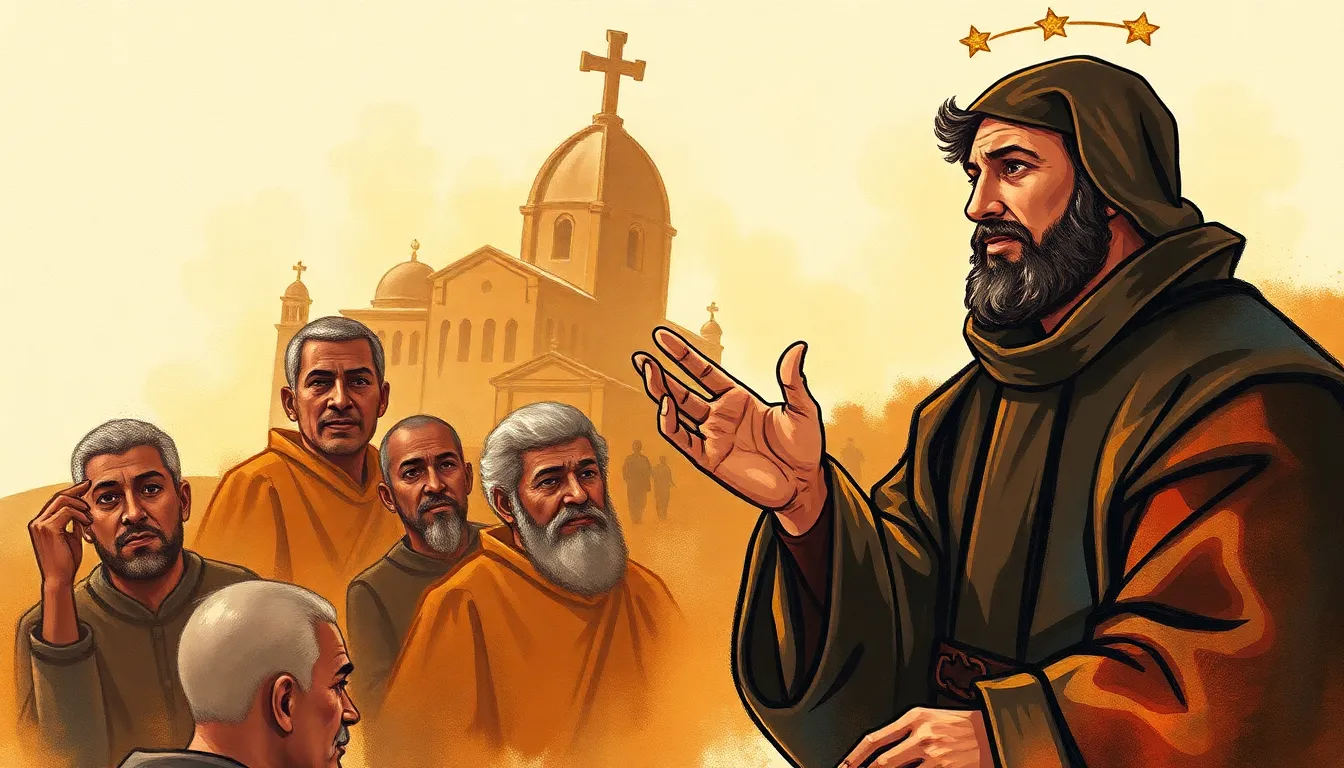
Martin Luther's stand in 1517 recovered a truth the Church had obscured: we stand before God by grace through faith alone. Here is why that still matters in Africa.
**What Was Luther Fighting For?**
At its core, the Reformation was a dispute about how sinful human beings come to stand rightly before a holy God. The medieval Church had built an elaborate system of merit — works of penance, purchase of indulgences, prayers for the dead — that effectively made salvation a human project with divine assistance. Luther's question was intensely personal: "How can I find a gracious God?" He had tried the monastic system. He had confessed every sin he could think of for hours at a time. He was still tormented.
The answer came from the letter to the Romans: "The just shall live by faith" (Romans 1:17, quoting Habakkuk 2:4). Righteousness is not something we achieve; it is something God gives, received by faith alone, on account of Christ alone, through grace alone. *Sola fide. Sola gratia. Solus Christus.*
**The Five Solae**
The Reformers articulated their convictions in five Latin phrases:
- *Sola Scriptura* (Scripture alone): The Bible is the final authority, not tradition, not councils, not popes.
- *Sola Fide* (Faith alone): Justification is received through faith, not earned by works.
- *Sola Gratia* (Grace alone): Salvation originates entirely in God's grace, not human merit.
- *Solus Christus* (Christ alone): Jesus is the only mediator between God and humanity.
- *Soli Deo Gloria* (To God alone be glory): All of life is to be lived for God's honour.
**Why This Matters for African Christians**
At first glance, a sixteenth-century European theological dispute might seem distant from the experience of Nigerian, Ghanaian, Cameroonian, or Kenyan believers. But the Reformation's core conviction — that a believer can stand before God without a human mediator, without a system of works, accepted entirely on the basis of what Christ has done — is profoundly relevant in contexts where spiritual anxiety is high.
In many African cultural settings, the boundary between Christian practice and traditional spiritual appeasement can blur. If prayer does not produce results, the temptation is to add something — a ritual, a payment, a step of propitiation — to satisfy an unseen power. This is not unique to African Christianity; it is a universal human tendency. But the Reformation's insistence on *solus Christus* speaks directly to it: Christ's finished work is sufficient. There is nothing more to add. "It is finished" (John 19:30) was not a beginning — it was a conclusion.
**The Reformation's Nigerian Legacy**
The Christian Reformed movement influenced the mission societies that evangelised Nigeria in the nineteenth century — the Church Missionary Society was thoroughly Protestant; so were the Baptist, Methodist, and Presbyterian missions. Their emphasis on Bible translation (translating the Scriptures into Yoruba, Igbo, Hausa, and other languages) was a direct expression of *Sola Scriptura*: every believer should have access to God's Word in their own language.
The explosion of indigenous Nigerian Christianity in the twentieth century — with its emphasis on direct access to God through prayer and the Spirit — is, in many ways, a deepening of the Reformation's conviction that every believer is a priest (1 Peter 2:9) who can approach God directly through Christ.
**Reading the Reformation Today**
The legacy of the Reformation is not uncomplicated. It also fractured Western Christianity in ways that have sometimes hindered unity. But its core discovery — that broken human beings are received by a gracious God entirely on the basis of Christ's merit, received by faith — is not a European Protestant distinctive. It is the gospel. It is what Paul preached in Galatia in the first century, what Luther rediscovered in the sixteenth century, and what every Nigerian believer who calls on the name of the Lord is already standing on.
Ready to test your knowledge?
Put what you've read into practice with a Bible quiz — free for every believer.
Build a daily reading habit
Follow a structured plan through the whole Bible — track your progress, day by day.
Gospel Genius Editorial Team
Gospel Genius Contributor
Gospel Genius is a Bible knowledge platform helping Christians grow deeper in Scripture through quizzes, daily devotions, reading plans, and study resources. Our contributors are believers passionate about making God's Word accessible to every person.
Learn more about Gospel Genius →