The Sermon on the Mount: Still the Most Counter-Cultural Teaching in History
By Gospel Genius Editorial Team
4 min read
115 views
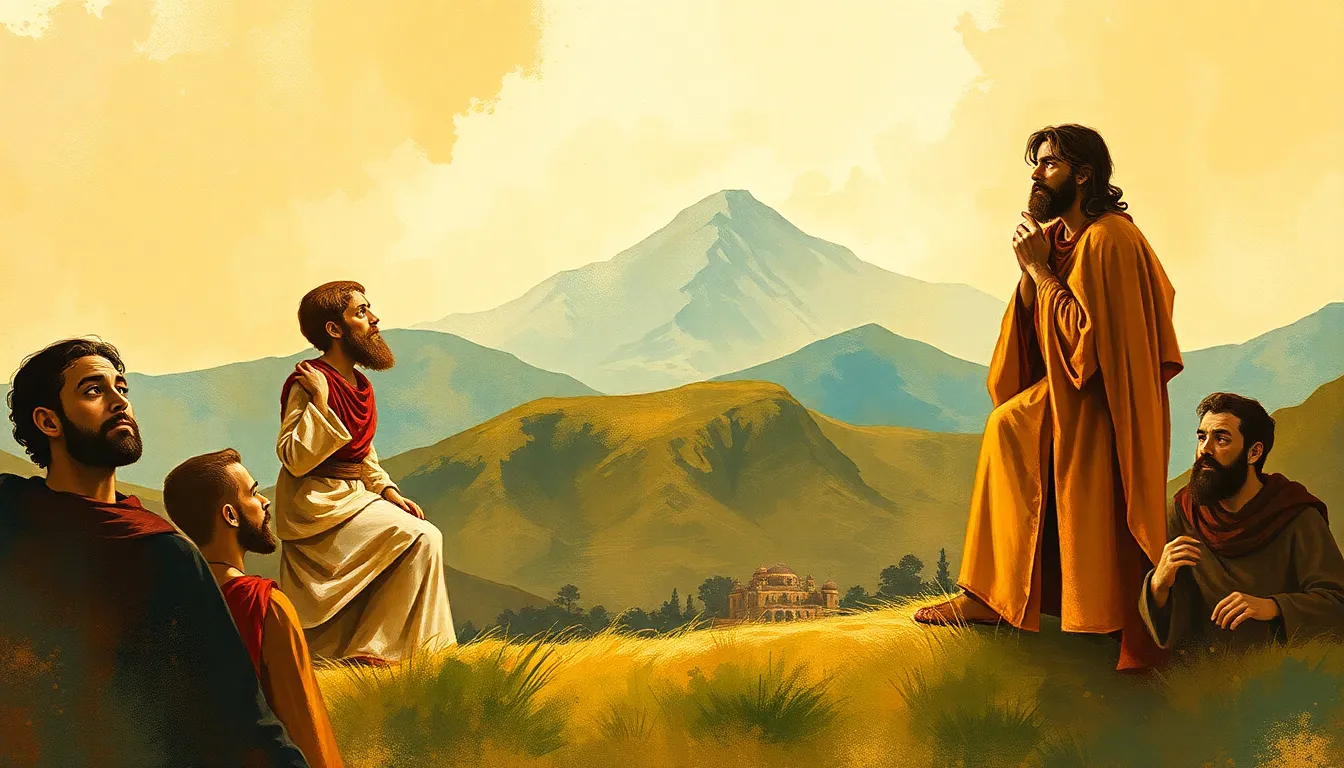
The Sermon on the Mount is the most quoted and most consistently ignored teaching in history. Its demands, taken seriously, overturn every cultural assumption.
Jesus sits down on a hillside above the Sea of Galilee and begins to speak. What follows in Matthew chapters 5 through 7 is the most famous extended teaching in human history — and arguably the most consistently ignored. Not ignored by scholars, who have written libraries about it. Not ignored by preachers, who quote it regularly. Ignored in the sense that its actual demands, if taken seriously, would overturn almost every assumption of every culture in every age, including ours.
**Blessed Are the What?**
The Beatitudes (Matthew 5:3-12) are the opening salvo of the Sermon, and they are strange by any cultural standard. "Blessed are the poor in spirit." "Blessed are they that mourn." "Blessed are the meek." In the ancient world, as in the modern world, the blessed were expected to be the strong, the rich, the confident, the successful. Jesus reverses every assumption.
"Blessed are the meek: for they shall inherit the earth" (Matthew 5:5) is not a prediction that meek people will eventually become bold and thereby succeed. It is a declaration that in God's kingdom, the character of meekness is the character of the inheritor. The earth does not belong to the aggressive. It belongs to those who received it as a gift, held it lightly, and will receive it again in the resurrection of all things.
**Salt, Light, and the Public Nature of Faith**
"Ye are the salt of the earth... Ye are the light of the world" (Matthew 5:13-14). These are not private spiritual states. Salt preserves; light illuminates. Both function in the world, not in a private spiritual chamber. Jesus' disciples are not called to retreat from the world and preserve their own purity. They are called to penetrate the world with preservative and illuminating effect.
This has direct implications for how we understand Christian social engagement. The light is not to be hidden "under a bushel" (Matthew 5:15). Whatever that means practically — and it means different things in different contexts — it means that the transformation of the disciple is supposed to be visible enough to cause others to glorify God.
**The Antitheses: Going Deeper Than the Law**
Six times in Matthew 5:21-48, Jesus says "Ye have heard that it was said... but I say unto you." He takes the Mosaic commandments and drives them deeper — into intention, desire, the condition of the heart. "Ye have heard that it was said by them of old time, Thou shalt not kill; but I say unto you, That whosoever is angry with his brother without a cause shall be in danger of the judgment" (Matthew 5:21-22).
The commandment against murder forbids the act. Jesus forbids the attitude that makes murder possible. The commandment against adultery forbids the action. Jesus forbids the lustful gaze that makes adultery possible. This is not making the Law stricter for the sake of strictness. It is revealing that God's concern has always been the heart, and that external compliance was never the ultimate goal.
This section culminates in the most radical command in the Sermon: "Be ye therefore perfect, even as your Father which is in heaven is perfect" (Matthew 5:48). This is not a command designed to provoke guilt. It is a description of the target — and the target is nothing less than the character of God himself.
**Prayer, Fasting, and the Hidden Life**
The middle section of the Sermon (Matthew 6) deals with religious practices: giving, prayer, fasting. The common thread is the distinction between performing these for human approval and performing them before God. "Take heed that ye do not your alms before men, to be seen of them: otherwise ye have no reward of your Father which is in heaven" (Matthew 6:1).
Into this section Jesus places what we know as the Lord's Prayer — not as a prayer to be recited mechanically, but as a model for what prayer looks like: adoration, submission, petition, forgiveness, and dependence. And then, immediately after the prayer, he returns to the theme of forgiveness: "For if ye forgive men their trespasses, your heavenly Father will also forgive you" (Matthew 6:14). The vertical relationship with God and the horizontal relationship with people are inseparably linked.
**The Narrow Gate and the Firm Foundation**
The Sermon closes with a series of sharp contrasts: narrow and wide gates, good and bad trees, those who say "Lord, Lord" and those who do the will of the Father, wise and foolish builders. The final image is striking: building on rock versus building on sand. The rain, floods, and winds represent everything that life will throw at a person. The question is not whether the storm comes. It is what you have built on.
Jesus identifies the rock explicitly: hearing *and* doing his words. The person who hears the Sermon and does not obey it has built nothing at all, regardless of how often they have read it or quoted it. The Sermon on the Mount is not inspirational content. It is a blueprint.
**Blessed Are the What?**
The Beatitudes (Matthew 5:3-12) are the opening salvo of the Sermon, and they are strange by any cultural standard. "Blessed are the poor in spirit." "Blessed are they that mourn." "Blessed are the meek." In the ancient world, as in the modern world, the blessed were expected to be the strong, the rich, the confident, the successful. Jesus reverses every assumption.
"Blessed are the meek: for they shall inherit the earth" (Matthew 5:5) is not a prediction that meek people will eventually become bold and thereby succeed. It is a declaration that in God's kingdom, the character of meekness is the character of the inheritor. The earth does not belong to the aggressive. It belongs to those who received it as a gift, held it lightly, and will receive it again in the resurrection of all things.
**Salt, Light, and the Public Nature of Faith**
"Ye are the salt of the earth... Ye are the light of the world" (Matthew 5:13-14). These are not private spiritual states. Salt preserves; light illuminates. Both function in the world, not in a private spiritual chamber. Jesus' disciples are not called to retreat from the world and preserve their own purity. They are called to penetrate the world with preservative and illuminating effect.
This has direct implications for how we understand Christian social engagement. The light is not to be hidden "under a bushel" (Matthew 5:15). Whatever that means practically — and it means different things in different contexts — it means that the transformation of the disciple is supposed to be visible enough to cause others to glorify God.
**The Antitheses: Going Deeper Than the Law**
Six times in Matthew 5:21-48, Jesus says "Ye have heard that it was said... but I say unto you." He takes the Mosaic commandments and drives them deeper — into intention, desire, the condition of the heart. "Ye have heard that it was said by them of old time, Thou shalt not kill; but I say unto you, That whosoever is angry with his brother without a cause shall be in danger of the judgment" (Matthew 5:21-22).
The commandment against murder forbids the act. Jesus forbids the attitude that makes murder possible. The commandment against adultery forbids the action. Jesus forbids the lustful gaze that makes adultery possible. This is not making the Law stricter for the sake of strictness. It is revealing that God's concern has always been the heart, and that external compliance was never the ultimate goal.
This section culminates in the most radical command in the Sermon: "Be ye therefore perfect, even as your Father which is in heaven is perfect" (Matthew 5:48). This is not a command designed to provoke guilt. It is a description of the target — and the target is nothing less than the character of God himself.
**Prayer, Fasting, and the Hidden Life**
The middle section of the Sermon (Matthew 6) deals with religious practices: giving, prayer, fasting. The common thread is the distinction between performing these for human approval and performing them before God. "Take heed that ye do not your alms before men, to be seen of them: otherwise ye have no reward of your Father which is in heaven" (Matthew 6:1).
Into this section Jesus places what we know as the Lord's Prayer — not as a prayer to be recited mechanically, but as a model for what prayer looks like: adoration, submission, petition, forgiveness, and dependence. And then, immediately after the prayer, he returns to the theme of forgiveness: "For if ye forgive men their trespasses, your heavenly Father will also forgive you" (Matthew 6:14). The vertical relationship with God and the horizontal relationship with people are inseparably linked.
**The Narrow Gate and the Firm Foundation**
The Sermon closes with a series of sharp contrasts: narrow and wide gates, good and bad trees, those who say "Lord, Lord" and those who do the will of the Father, wise and foolish builders. The final image is striking: building on rock versus building on sand. The rain, floods, and winds represent everything that life will throw at a person. The question is not whether the storm comes. It is what you have built on.
Jesus identifies the rock explicitly: hearing *and* doing his words. The person who hears the Sermon and does not obey it has built nothing at all, regardless of how often they have read it or quoted it. The Sermon on the Mount is not inspirational content. It is a blueprint.
Ready to test your knowledge?
Put what you've read into practice with a Bible quiz — free for every believer.
Build a daily reading habit
Follow a structured plan through the whole Bible — track your progress, day by day.
Tags:
Sermon on the Mount
Jesus
Matthew 5-7
Beatitudes
discipleship
theology
G
Gospel Genius Editorial Team
Gospel Genius Contributor
Gospel Genius is a Bible knowledge platform helping Christians grow deeper in Scripture through quizzes, daily devotions, reading plans, and study resources. Our contributors are believers passionate about making God's Word accessible to every person.
Learn more about Gospel Genius →