The Great Schism of 1054: When One Church Became Two
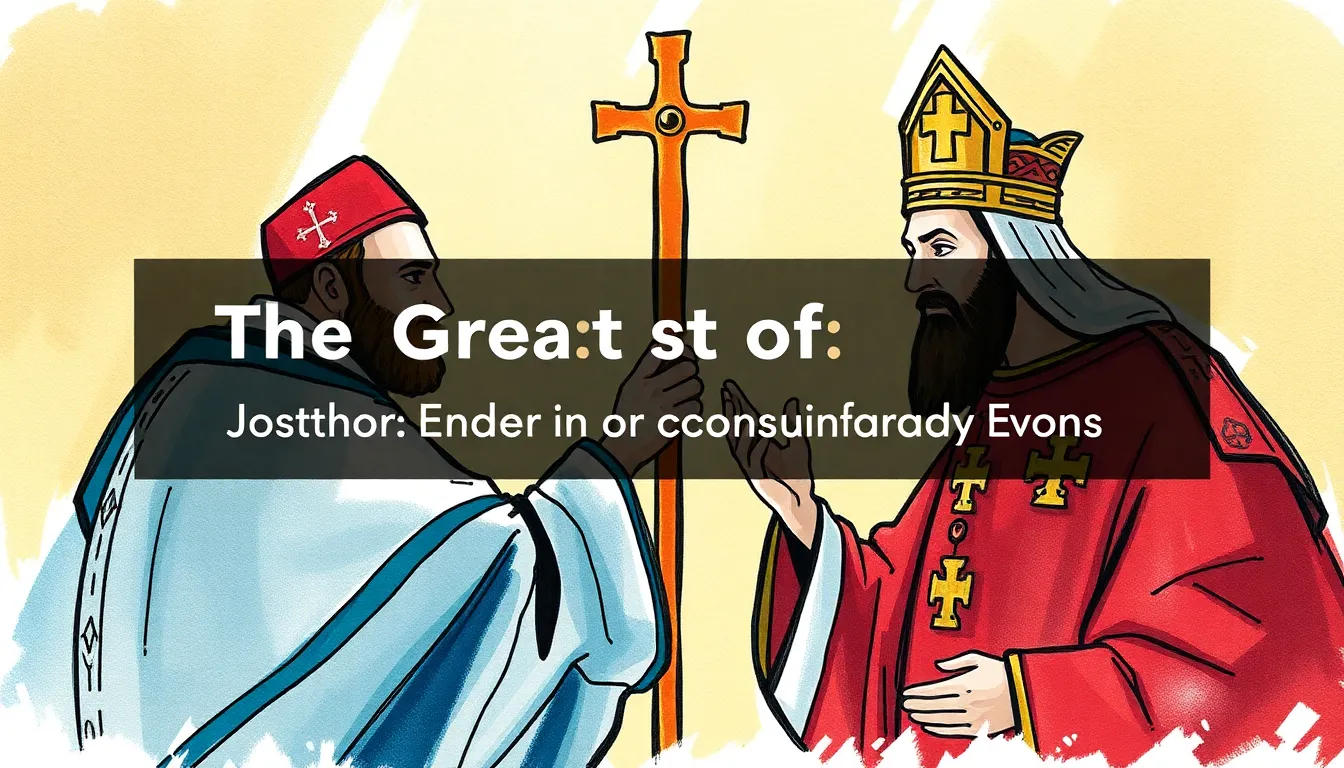
In 1054, the Pope and the Patriarch of Constantinople excommunicated each other. What happened, and what does it mean for Christians today?
One Church That Had Been Drifting Apart for Centuries
The official break came in 1054, but the tensions between the Eastern and Western church had been accumulating for centuries. Language was one of the earliest divides: the East spoke Greek; the West spoke Latin. Even the great theological councils of the early centuries, with their precise Greek terminology, were often received in the West through imperfect translations. The Eastern and Western traditions were not enemies — but they were increasingly strangers.
Geography deepened the gap. When Constantine moved the imperial capital to Constantinople in 330 AD, he created a new political and ecclesiastical power centre in the East. Rome never fully accepted that a Greek-speaking city in Asia Minor could claim equal honour with the city of Peter and Paul.
The Filioque: A Creed That Divided the World
The most theologically significant controversy concerned the Nicene Creed — specifically, whether the Holy Spirit proceeds "from the Father" (the original wording) or "from the Father and the Son" (filioque — Latin for "and the Son"). The Western church had been adding filioque to the creed for centuries. By 1054, the Eastern church considered this an unauthorised unilateral alteration of a creed that had been defined by ecumenical councils that both East and West had approved together.
To the East, filioque was not just a theological error — it was a violation of the conciliar process. No one church had the right to change what all the churches had agreed. To the West, filioque was simply a clarification of what was already implicit in Scripture and in the Fathers.
The Mutual Excommunications of 1054
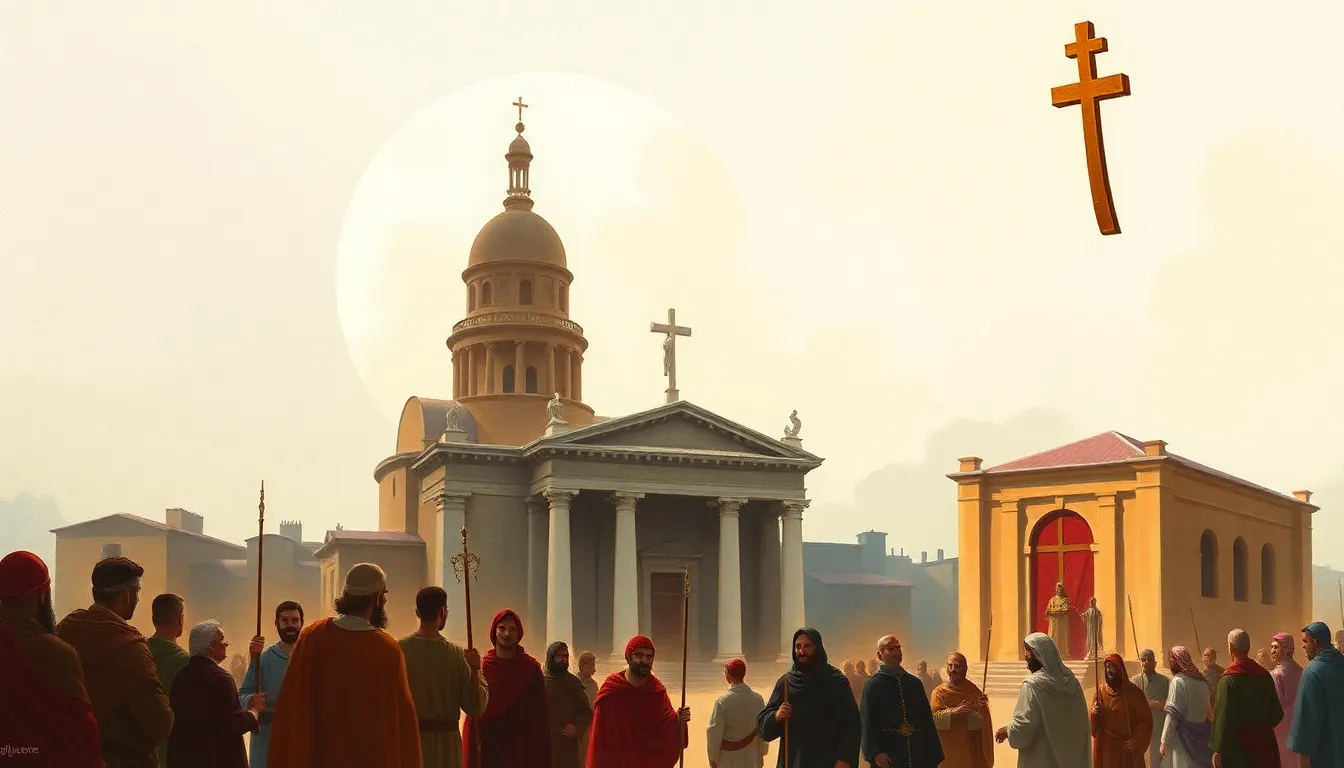
In July 1054, Cardinal Humbert, representing Pope Leo IX (who had died two months earlier), placed a bull of excommunication on the altar of the Hagia Sophia in Constantinople. Patriarch Michael Cerularius responded by excommunicating the papal legates. Neither side excommunicated the entire church of the other — the bulls were technically personal — but the symbolic weight was enormous.
In 1964, Pope Paul VI and Patriarch Athenagoras met in Jerusalem and mutually lifted the excommunications, calling them an act of reconciliation. The theological differences remain unresolved, but the tone has changed profoundly.
What the Schism Means for Us Today
The Great Schism is a sobering reminder that Christians can divide over real theological disagreements — and that political power, cultural difference, and personal pride can amplify those disagreements far beyond their proportions.
Jesus prayed in John 17:21 that his followers would be one "that the world may believe." The divisions of Christianity — beginning with 1054, accelerated by the Reformation in the 16th century — are not merely institutional inconveniences. They are missiological wounds. When a watching world sees Christians excommunicating each other, the gospel's power is obscured.
Unity is not achieved by flattening all theological differences. But it begins with recognising that the person who worships Christ differently from you is not your primary enemy — and that the divisions we maintain cost the gospel more than we often acknowledge.
Ready to test your knowledge?
Put what you've read into practice with a Bible quiz — free for every believer.
Build a daily reading habit
Follow a structured plan through the whole Bible — track your progress, day by day.
El Shamarani
Gospel Genius Contributor
Gospel Genius is a Bible knowledge platform helping Christians grow deeper in Scripture through quizzes, daily devotions, reading plans, and study resources. Our contributors are believers passionate about making God's Word accessible to every person.
Learn more about Gospel Genius →