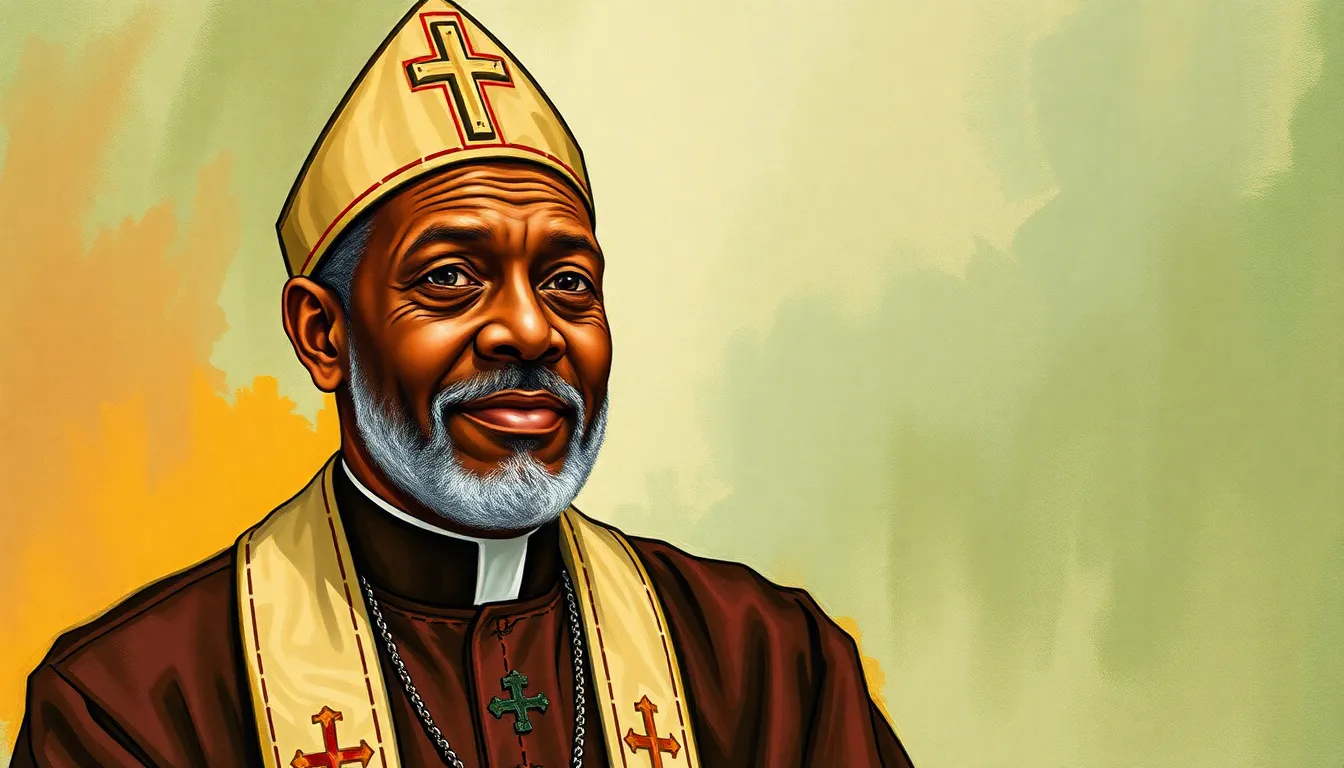
Bartimaeus: The Blind Beggar Who Saw Clearly

Everyone told Bartimaeus to be quiet. He shouted louder. His encounter with Jesus on the Jericho road is one of the most electrifying healing narratives in the Gospels — and a masterclass in desperate, persistent faith.
The Road Out of Jericho
Mark 10:46 sets the scene with unusual specificity: Bartimaeus (and Mark tells us his name — one of the few healed individuals named in Mark's Gospel) is sitting by the roadside at Jericho. He is blind and begging — two conditions that defined his entire social existence. He had no income except what passersby gave him. He had no social standing. He had no future except another day by the road.
Then he hears: Jesus of Nazareth is passing by.
What he knows about Jesus is unclear — but it is enough. He knows enough to cry out what may be the most theologically loaded greeting in any of the healing narratives: "Thou Son of David, have mercy on me."
A Title That Cost Something to Use
"Son of David" was not a generic respectful address. It was a Messianic title — the designation of the coming king promised to the line of David who would restore Israel. The crowd knew it. And immediately, the crowd tried to shut Bartimaeus down. "Many charged him that he should hold his peace."
The crowd's reaction is entirely understandable in its social logic: a noisy beggar shouting Messianic titles at a rabbi on the road was an embarrassment and potentially a political provocation. Rome did not look kindly on people hailing new Davidic kings.
Bartimaeus did not care. "But he cried the more a great deal." The rebuke did not silence him — it intensified him. There is a theology in this: the people who try to stop you from crying out to Jesus are sometimes the very people Jesus intends to use to test whether you are serious. Bartimaeus was serious.
The Question That Should Not Seem Unnecessary
Jesus stood still and commanded Bartimaeus to be called. The crowd's attitude immediately changed — "Be of good comfort, rise; he calleth thee." And the man who had been sitting threw away his garment, leaped up, and came to Jesus.
What Jesus asked him next appears, at first, redundant: "What wilt thou that I should do unto thee?" The man was blind. Surely it was obvious what he wanted.
But the question was not redundant. It was an invitation to articulate the desire, to name the need, to make the request specific. Jesus asks this because he intends to honour it specifically — not generally, not vaguely, but precisely as asked. And there is something about naming our needs to God, even when he knows them already, that matters: it is the posture of a person who has moved from passivity to active, expectant faith.
He Received Sight and Followed
Bartimaeus said: "Lord, that I might receive my sight." Jesus said: "Go thy way; thy faith hath made thee whole." And immediately he received his sight and followed Jesus in the way.
Three words at the end of the story carry the whole weight of it: "followed Jesus in the way." The road they were on was the road to Jerusalem — to the cross, to the arrest, to the suffering that the disciples still did not fully understand. Bartimaeus, fresh from his healing, joined the procession toward Jerusalem without hesitation.
He had been blind and he had seen clearly. He had been sitting by the road and now he was walking in it, behind the one who had called him. This is the portrait of faith the Gospels call us to: not just to receive from Jesus, but to follow him — especially when the road leads somewhere difficult.
Ready to test your knowledge?
Put what you've read into practice with a Bible quiz — free for every believer.
Build a daily reading habit
Follow a structured plan through the whole Bible — track your progress, day by day.
El Shamarani
Gospel Genius Contributor
Gospel Genius is a Bible knowledge platform helping Christians grow deeper in Scripture through quizzes, daily devotions, reading plans, and study resources. Our contributors are believers passionate about making God's Word accessible to every person.
Learn more about Gospel Genius →