The Protestant Reformation in Africa: How It Reached Nigeria
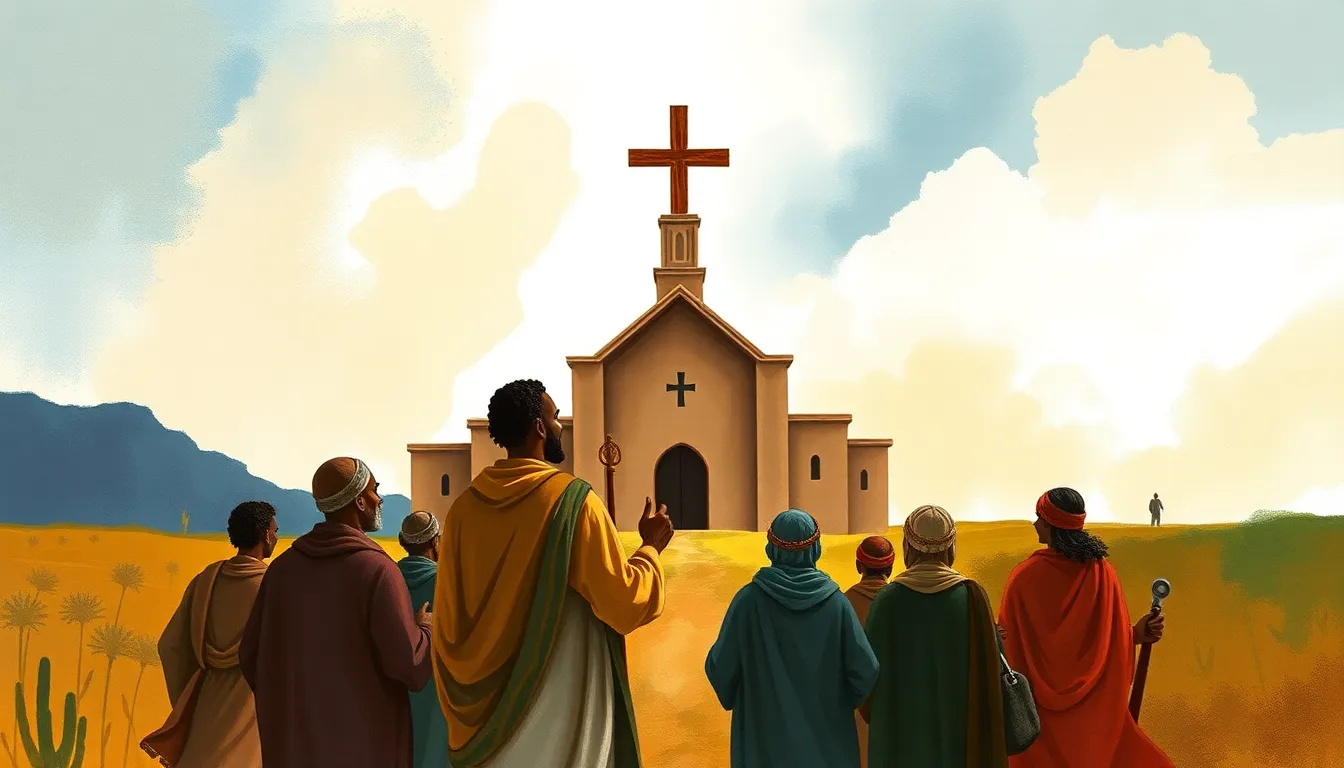
The Reformation that began in 16th-century Europe reached West Africa centuries later — carried by missionaries, vernacular translations, and African converts who made the gospel their own. Here is the story.
When Martin Luther posted his 95 Theses in 1517, the African continent was not remotely in his frame of reference. He was arguing with the Pope about indulgences in central Europe. West Africa was a thousand miles of sea and desert away, not yet part of the European colonial imagination.
And yet the theological revolution Luther ignited — the insistence that salvation was by faith alone, through grace alone, as revealed in Scripture alone — would eventually shape the faith of millions of Nigerians. The route it took was circuitous, complicated, and transformative.
The First Protestant Contact: European Trade and Fort Christianity
The Portuguese reached the coast of West Africa in the 15th century and established trading relationships that included Catholic missions. But it was the Protestant British and Dutch presence in the 17th and 18th centuries that brought Reformed and Anglican Christianity to the region.
Early Protestant Christianity in West Africa was largely confined to coastal trading posts and European settlers. There was little systematic attempt at evangelism among the African interior population. The faith that arrived in these early centuries was a Europeans' faith — worshipped in European languages, governed by European hierarchies, tied to European economic interests.
The Abolition Movement and Its Missionary Consequence
The British abolition of the slave trade in 1807 had an unexpected effect on African Christianity. The thousands of "Recaptives" — enslaved people freed from ships by the Royal Navy and settled in Freetown, Sierra Leone — became the seed community of a new African Protestantism.
Among the Recaptives was Samuel Ajayi Crowther, a Yoruba boy who had been captured in a slave raid, freed by the Royal Navy in 1822, and educated by the Church Missionary Society. Crowther would become one of the most important figures in Nigerian church history.
Samuel Ajayi Crowther: The First African Anglican Bishop
Crowther was baptised in 1825, educated in England, and ordained as an Anglican minister in 1843. He became the primary instrument of the CMS Niger Mission, working to evangelise the peoples of the Niger Delta region. In 1864, he was consecrated as the first African Anglican bishop — Bishop of the Niger Territories.
His most enduring legacy was linguistic. Crowther produced a Yoruba grammar, translated the entire Bible into Yoruba, and created the first written forms of Nupe and Igbo vocabularies. He understood that authentic African Christianity required Scripture in African languages — not just translated doctrine, but the living word accessible to ordinary people in their mother tongue.
"I was a heathen, and a slave; but I was redeemed by the blood of Christ, and I believe it is the duty of every man who has been rescued from captivity, to do his part in rescuing others." — Samuel Ajayi Crowther
Crowther's later years were painful. European CMS missionaries, reflecting the racial paternalism of late Victorian England, undermined his authority and placed his Niger Diocese under European control. He was effectively pushed aside in 1890. He died the following year.
But the seeds he planted could not be unplanted. By the time of his death, an African Protestant church culture was growing that would increasingly find its own voice.
The Lagos Church and Its Breakaway Tradition
The late 19th century saw growing tension between African and European church leadership in Lagos and the surrounding region. In 1891, James Johnson — known as "Holy Johnson" — became assistant bishop, but was denied full episcopal authority. The frustration was widespread.
In 1901, a group of Lagos Anglicans formed the United Native African Church, the first independent African church in Nigeria. It was not a rejection of Christianity — it was a rejection of ecclesiastical colonialism. They kept the faith but claimed the right to govern it themselves. This breakaway tradition would multiply throughout the 20th century into the rich ecosystem of African Independent Churches that remains vibrant today.
The Baptist and Methodist Arrivals
The Southern Baptist Convention began work in Nigeria in 1850, eventually establishing the Nigerian Baptist Convention, which today has millions of members. Methodist missionaries arrived in the same period. Both denominations established schools, hospitals, and churches that profoundly shaped Yorubaland and beyond.
The pattern was consistent: wherever Protestant missions established themselves, they built schools. The literacy these schools produced created the infrastructure for an independent, Scripture-reading church — exactly the Reformation principle Luther had articulated: ordinary Christians reading the Bible in their own language, forming their own convictions.
What Nigeria Made of the Reformation
The Nigerian church did not simply import the Reformation. It reinterpreted it through its own theological instincts — which included a vigorous belief in spiritual gifts, a deep sense of community accountability, and an intuitive understanding of spiritual warfare that European Protestantism had largely suppressed.
The Aladura movement of the 1920s (from the Yoruba word for "prayer people") combined Reformed soteriology with prophetic, healing, and charismatic practice in ways that neither Luther nor Cranmer would have recognised — but which were thoroughly rooted in Scripture and profoundly African.
The Reformation's core gift to Nigeria was not a European church. It was the Bible in the vernacular and the conviction that every believer could read it, interpret it, and be governed by it. The Nigerian church took that gift and built something entirely its own.
Reflection: How did the gospel reach your community or family? Who were the specific people — perhaps missionaries, perhaps African evangelists — through whom that chain of transmission ran? What does knowing that history do to your sense of responsibility for passing the faith on?
Ready to test your knowledge?
Put what you've read into practice with a Bible quiz — free for every believer.
Build a daily reading habit
Follow a structured plan through the whole Bible — track your progress, day by day.
El Shamarani
Gospel Genius Contributor
Gospel Genius is a Bible knowledge platform helping Christians grow deeper in Scripture through quizzes, daily devotions, reading plans, and study resources. Our contributors are believers passionate about making God's Word accessible to every person.
Learn more about Gospel Genius →