Portrait of Faith: Cardinal Francis Arinze — The Nigerian Who Almost Became Pope
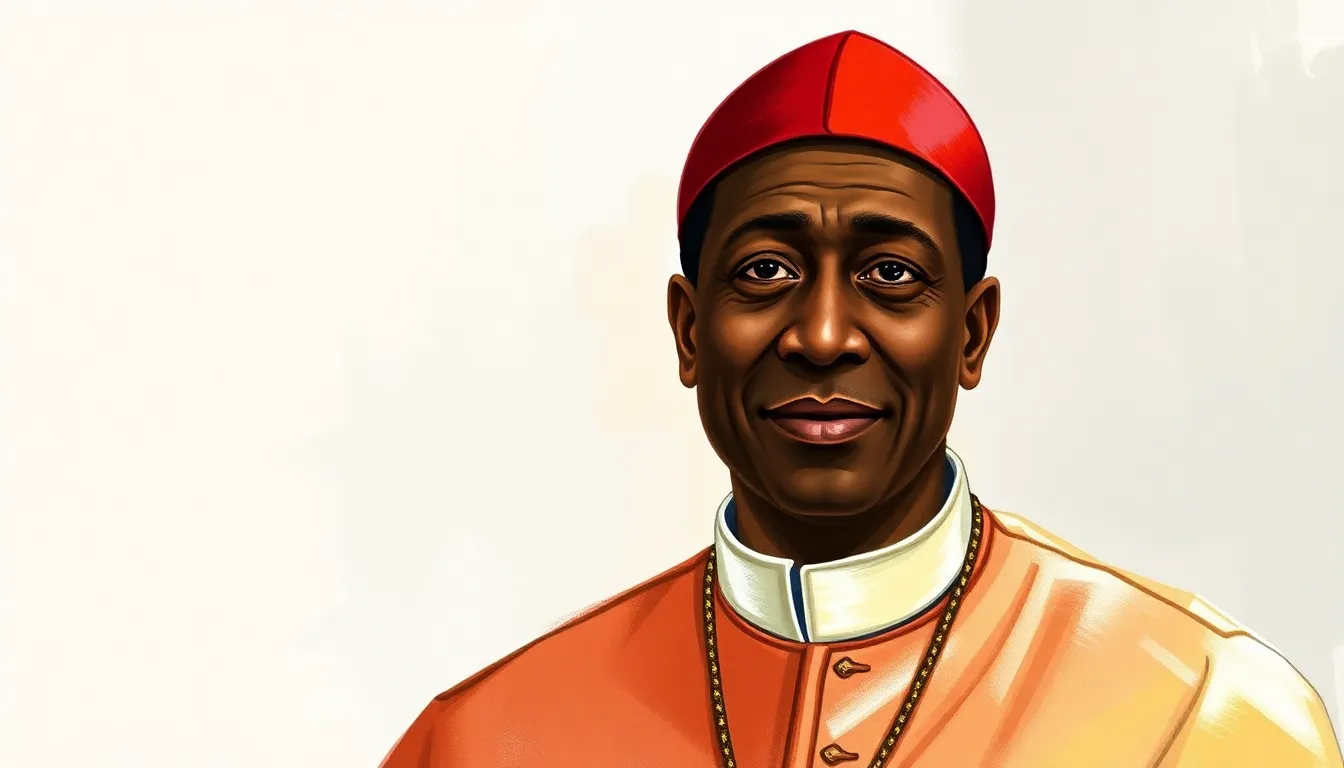
When John Paul II died in 2005, one name circulated through the Vatican and Catholic media around the world: Francis Cardinal Arinze of Nigeria. He did not become Pope — but his life tells a story of African Christianity ascending to the heart of the universal Church.
In April 2005, the world watched the chimney above the Sistine Chapel for white smoke. Among the 115 cardinals locked inside the conclave was Francis Arinze of Nigeria — and for several days, he was among the papabili, the men deemed likely to become the next Bishop of Rome. It did not happen. But the fact that an African cardinal, born in a small village in Anambra State, stood at the threshold of the highest office in Christendom says something remarkable about where African Christianity has arrived.
Born Among the Igbo
Francis Arinze was born on 1 November 1932 in Eziowelle, Anambra State, in what was then British Nigeria. His family was traditionalist — practitioners of the indigenous Igbo religion. He was baptised into the Catholic Church at age nine, and from that moment he knew he wanted to be a priest. His father, Ambrose Arinze, was later also baptised, taking Francis as his Christian name — a sign of the evangelical chain that ran through this family.
He was ordained a priest in 1958 at age twenty-five, and almost immediately his intellectual gifts drew him into academic and ecclesiastical responsibility. He studied philosophy and theology in Rome, and in 1965, at thirty-two, he was appointed Archbishop of Onitsha — the youngest bishop in the Catholic Church at the time.
Archbishop of Onitsha During the Biafra War
The timing of his appointment was not peaceful. Nigeria's civil war (1967–1970) engulfed the Igbo heartland in one of the twentieth century's great humanitarian disasters. Arinze, as Archbishop, navigated an impossible terrain: caring for a shattered people, maintaining the Church's pastoral presence across battle lines, and resisting the pull of nationalist partisanship. His commitment to keeping the Church's doors open to all shaped his lifelong approach to religious leadership — that the Church exists for people, not for political factions.
Called to Rome
In 1984, Pope John Paul II called Arinze to Rome to lead the Pontifical Council for Inter-Religious Dialogue. It was a profound appointment. Arinze had grown up in a family where paganism and Christianity intersected. He understood, from lived experience, what it meant to encounter faith across religious boundaries. His twelve years at the Council shaped Catholic thinking on dialogue with Islam, Hinduism, Buddhism, and African traditional religion.
He was not naive about the challenges of dialogue. He was clear-eyed about the theological differences between Christianity and other faiths. But he believed — and argued persuasively — that respectful encounter across difference was both possible and commanded by the Gospel's vision of a reconciled humanity.
Prefect of Divine Worship
In 2002, John Paul II appointed Arinze as Prefect of the Congregation for Divine Worship and the Discipline of the Sacraments — the Vatican body responsible for overseeing Catholic worship worldwide. He held this post until 2008. His tenure included controversial decisions on liturgical translation and the promotion of Gregorian chant, drawing both admiration and criticism from different camps within the Church.
Through all of it, he retained a quality that those who have met him invariably describe: simplicity. Despite decades in the Vatican, Arinze is known for directness, warmth, and an Igbo earthiness that never left him. He jokes readily. He prays in his mother tongue. He has never forgotten where he came from.
A Voice for African Christianity
Arinze's greatest significance is perhaps symbolic: he represents, in his very person, the great reversal of African Christianity. For centuries, missionaries brought the faith from Europe to Africa. Now an African son of missionaries sits in the Roman Curia, helping to govern the universal Church. The faith that came to Eziowelle in the hands of Irish priests has produced a man who helped oversee the worship of 1.3 billion Catholics.
He has spoken with candour on issues of African culture and the Church — on the need to inculturate the Gospel without losing its substance, on the risks of syncretism, on the responsibility of African Catholics to own their faith rather than simply inherit it from Western missionaries.
His Message to Young Nigerians
Cardinal Arinze, now in his nineties and retired but alert, has one consistent message for Nigerian Christians of all denominations: go deep. Study the Scriptures. Know what you believe and why you believe it. A faith that cannot give a reason for itself will not survive the pressures of the modern world.
He might have been Pope. He was not. But in the economy of God, the question is not the title one holds but the faithfulness with which one holds it — and on that measure, Francis Arinze's life is a monument to quiet, persistent fidelity.
"Christianity is not a Western religion that was brought to Africa. Christianity is a religion that belongs to all peoples, to all cultures. Africa has embraced it and made it her own."
— Cardinal Francis Arinze
Ready to test your knowledge?
Put what you've read into practice with a Bible quiz — free for every believer.
Build a daily reading habit
Follow a structured plan through the whole Bible — track your progress, day by day.
El Shamarani
Gospel Genius Contributor
Gospel Genius is a Bible knowledge platform helping Christians grow deeper in Scripture through quizzes, daily devotions, reading plans, and study resources. Our contributors are believers passionate about making God's Word accessible to every person.
Learn more about Gospel Genius →