Portrait of Faith: Joseph Ayo Babalola — The Road Worker Who Started Nigeria's First Great Revival
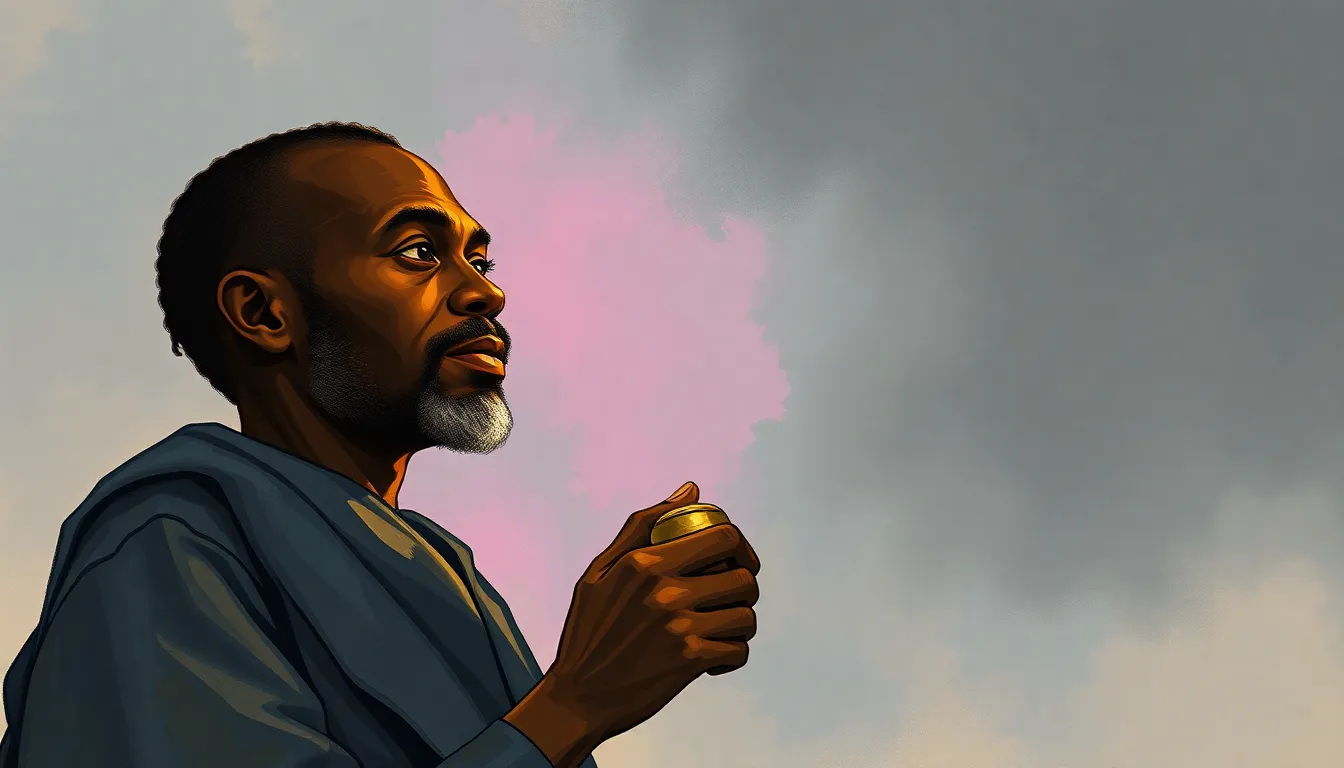
In 1930, a young road-construction worker picked up a bell, walked into the town square of Oke-Ooye in Ilesa, and began to preach. Within weeks, thousands were coming from across Yorubaland. Nigeria's first indigenous revival had begun.
Long before the megachurches, before the cable television ministries, before the prosperity gospel rewrote the landscape of Nigerian Christianity, there was a young man with a hand bell and an overwhelming sense of divine compulsion. His name was Joseph Ayo Babalola. He did not build a large auditorium. He preached in the open air and people came — sick, broken, desperate — and many went home healed.
The Calling of a Road Worker
Joseph Ayodele Babalola was born on 25 April 1904 in Ilofa, Kwara State, in a community that blended Anglican Christianity with Yoruba traditional practices. He received a modest education and became a steamroller operator for the Public Works Department — maintaining the colonial roads being built across southwestern Nigeria.
By his own account, on 9 October 1928, while working a steamroller near Odo-Owa, the engine died and refused to restart. In the silence, he heard a voice calling him by name, commanding him to fast, pray, and preach. He obeyed. Colleagues thought him mad. He eventually left the PWD, underwent a period of intense spiritual preparation, and emerged in 1930 ready to preach.
The Ilesa Revival of 1930
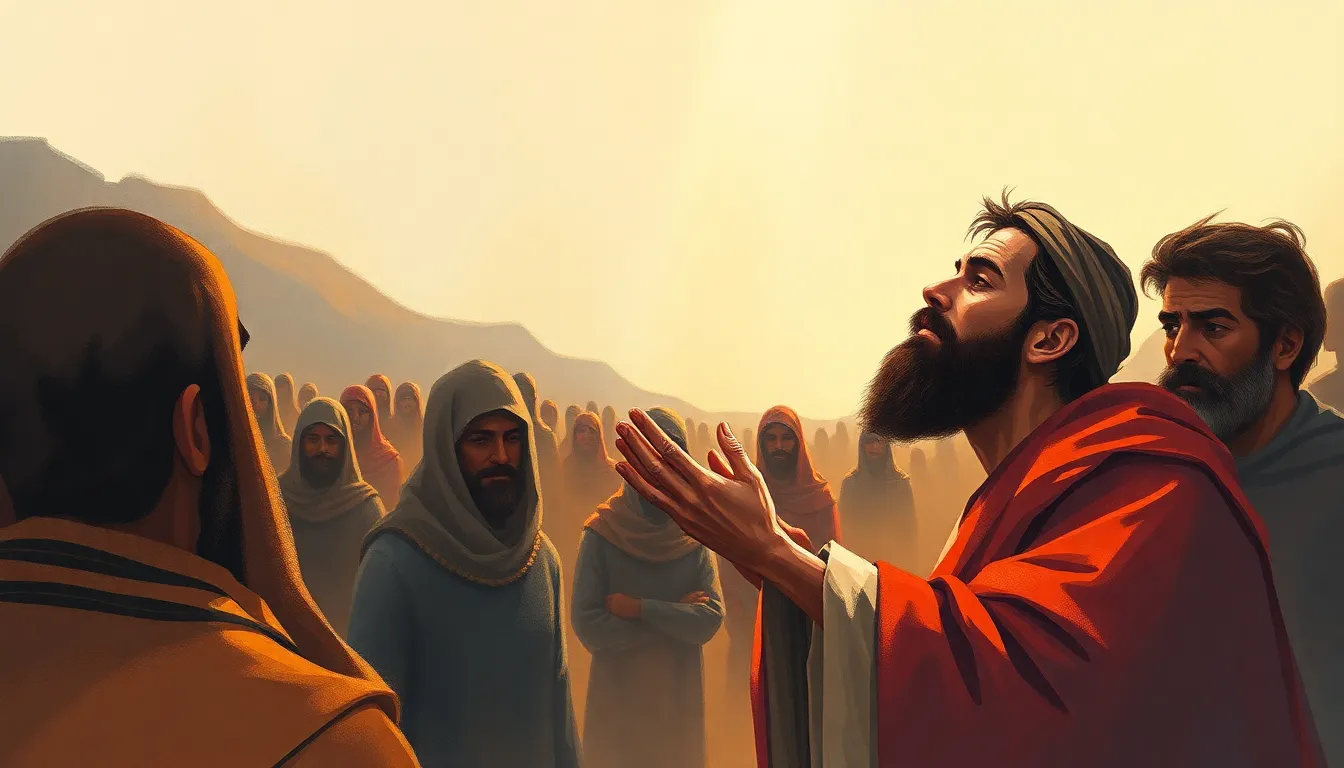
When Babalola arrived in Ilesa, Osun State, in the summer of 1930, what happened defied easy categorisation. People flocked to hear him preach repentance and faith in Jesus Christ. Reports of healings spread rapidly — the blind seeing, the lame walking, the sick recovering. Streams of people burned their juju charms and fetish objects, renouncing traditional religious practices in dramatic public ceremonies.
What made the Ilesa revival distinctive was its indigeneity. This was not a foreign missionary arriving with Western religious culture. This was a Yoruba man, in his own language, leading his own people to Christ in a distinctly African register. The revival swept through Ilesha, Ikare, Akoko, and beyond, drawing in members of the Anglican and Methodist churches — many of whom had nominal faith and now experienced it with convicting intensity.
Faith Tabernacle and the Birth of Christ Apostolic Church
Babalola initially worked within the Faith Tabernacle — an American Holiness movement that had reached Nigeria. But tensions arose around pneumatology (the theology of the Holy Spirit) and the question of orthodox medicine. In 1941, following connections with the Apostolic Church of the UK, a new denomination was registered: the Christ Apostolic Church (CAC).
Today, the Christ Apostolic Church is one of the largest indigenous denominations in Nigeria, with millions of members across West Africa and the diaspora. It stands within the Apostolic tradition — affirming the gifts of the Spirit, divine healing, and the full authority of Scripture — while remaining distinctly African in worship expression, language, and structure.
Divine Healing and Controversy
Babalola's ministry of healing was both his greatest impact and his greatest source of controversy. He rejected the use of conventional medicine, a position that brought him into conflict with colonial authorities who regarded his healing campaigns with deep suspicion. He was arrested several times. His followers endured harassment. But the healings — documented in part even by colonial medical officers who investigated the claims — continued.
Historians of African Christianity have noted that Babalola's healing ministry addressed a genuine pastoral need: in a society where illness was often attributed to spiritual causes, a minister who confronted the spiritual dimension of disease in Jesus's name spoke directly to people's deepest fears. Whether one accepts the miracles or interprets them through a different lens, their social and religious impact is undeniable.
Character and Simplicity
Those who knew Babalola described a man of radical simplicity. He ate little. He slept little. He prayed long. He refused to accumulate personal wealth. He walked where others rode. In an era when colonial society created a hierarchy of status, he moved among the poor and the outcaste with easy familiarity.
He died on 26 July 1959, aged fifty-five, in Ede, Osun State. His death prompted mourning across Yorubaland. He left behind a denomination, thousands of transformed lives — and a template for what indigenous African Christian leadership could look like: rooted in Scripture, flowing in the Spirit, and accountable to the community it served.
Legacy for Today
In Nigerian Christianity's sometimes anxious relationship with its African roots, Babalola's life offers a different kind of assurance. The Gospel did not arrive in Nigeria as a foreign import that needed to be stripped of its origins before it could flourish. It arrived as seed — and in the soil of Yoruba faith, prayer culture, and communal life, it produced something gloriously its own.
Every Apostolic and Pentecostal Christian in Nigeria owes something to this man with his hand bell. The revival he started is still ringing.
"It is not by might, nor by power, but by my Spirit, says the Lord." — Zechariah 4:6
The verse that defined Babalola's entire ministry.
Ready to test your knowledge?
Put what you've read into practice with a Bible quiz — free for every believer.
Build a daily reading habit
Follow a structured plan through the whole Bible — track your progress, day by day.
El Shamarani
Gospel Genius Contributor
Gospel Genius is a Bible knowledge platform helping Christians grow deeper in Scripture through quizzes, daily devotions, reading plans, and study resources. Our contributors are believers passionate about making God's Word accessible to every person.
Learn more about Gospel Genius →