The Council of Nicaea: The Meeting That Defined Christian Belief
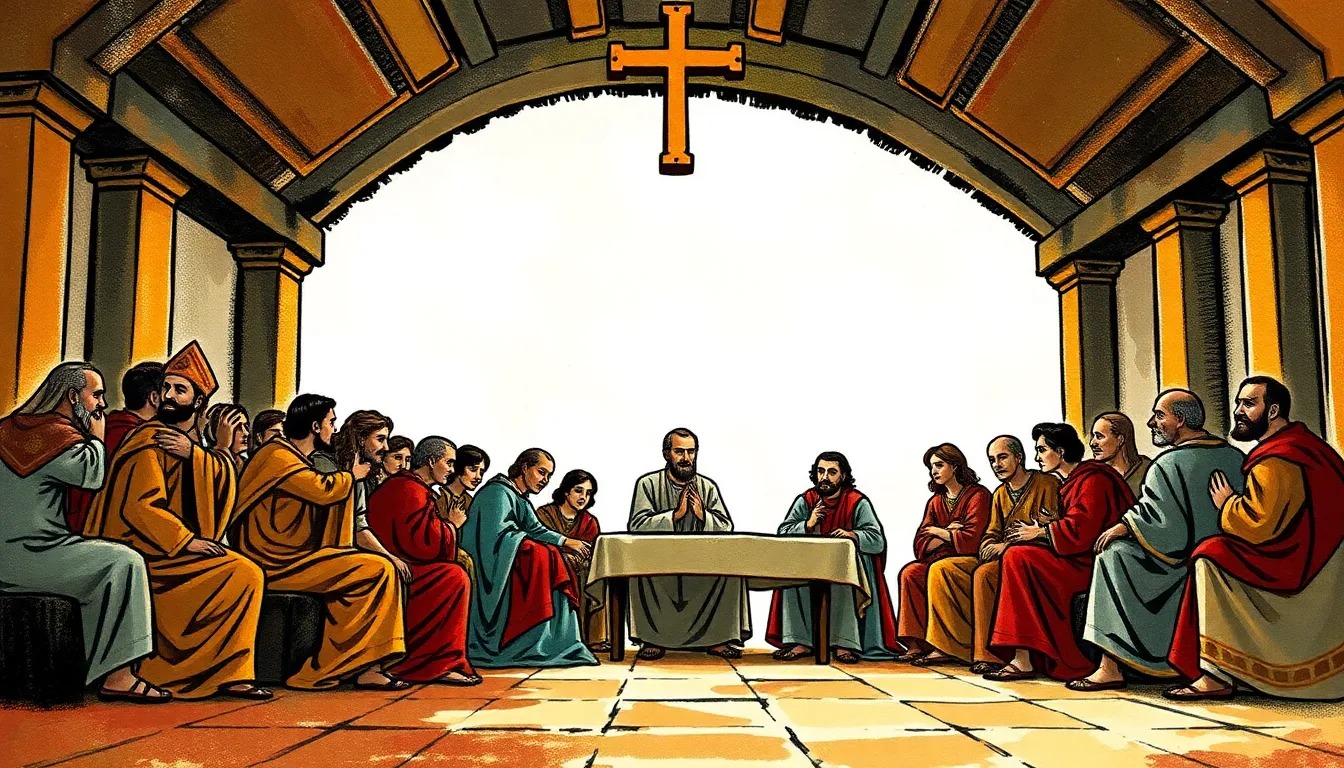
In AD 325, bishops gathered at Nicaea to answer one question: was Jesus truly God? The answer they gave still shapes Christianity today.
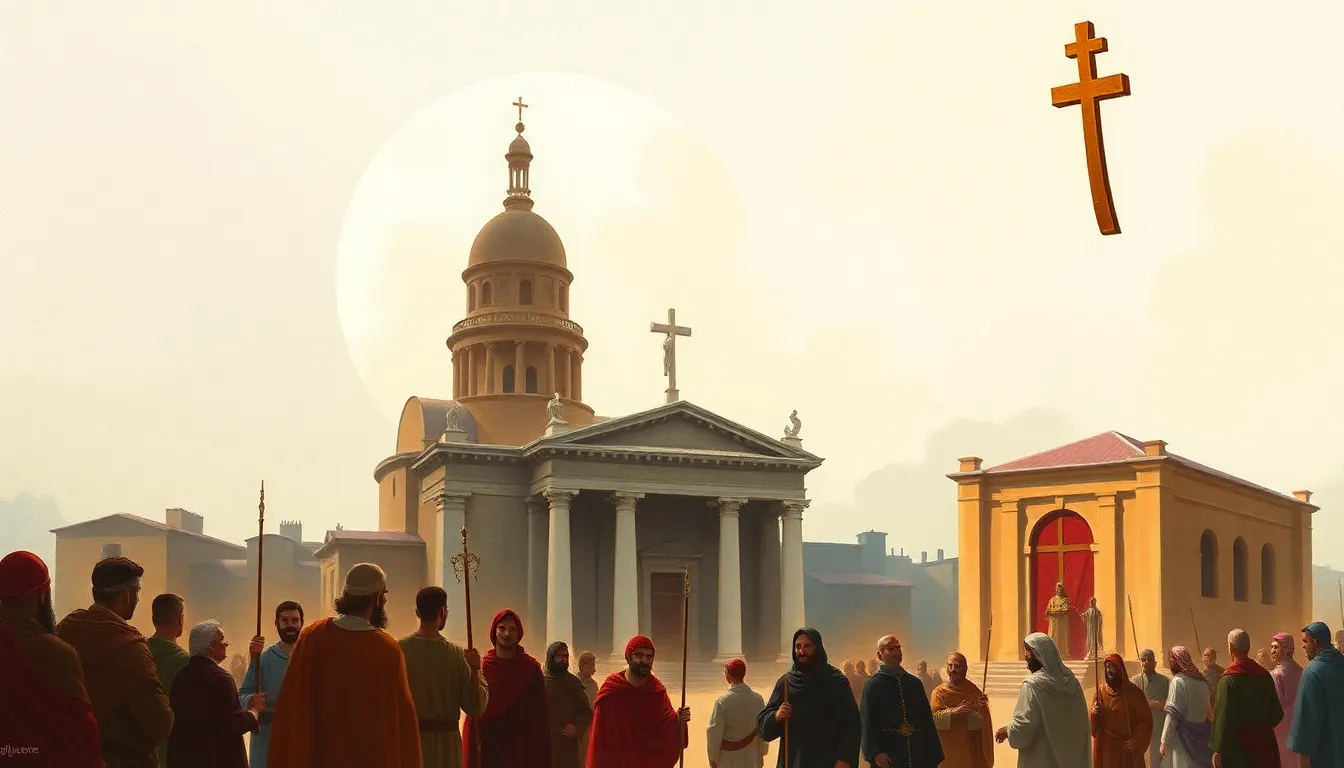
In the summer of AD 325, more than 250 bishops from across the Roman Empire gathered in the city of Nicaea in modern-day Turkey. They had been summoned by the Emperor Constantine, who had only recently made Christianity legal after three centuries of intermittent persecution. The question they had come to answer would define the Christian faith for every generation to follow.
Was Jesus Christ fully God — or was He a created being, exalted above all others but ultimately less than the Father?
The answer the council gave, enshrined in what we call the Nicene Creed, still shapes what Christians believe about Jesus today.
The Crisis That Forced the Council
The controversy centred on a popular preacher from Alexandria named Arius. His teaching was elegant and, to many ears, logical: there must have been a time when the Son did not exist. The Father is eternal and unbegotten; the Son is begotten by the Father, therefore He had a beginning. "There was when He was not," was Arius's memorable formulation.
Arius was not trying to diminish Jesus. He was trying to protect the uniqueness of the Father. But his solution created a far more serious problem: if the Son is a creature — however exalted — then in the Incarnation God did not actually come to us. We are saved by a very high-ranking created being rather than by God Himself.
The theological stakes could not have been higher. If Arius was right, the whole structure of Christian salvation collapses. You cannot be saved by a saviour who is less than God.
Athanasius Against the World
The most formidable opponent of Arianism was a young deacon from Alexandria named Athanasius — present at Nicaea as assistant to his bishop — who would spend the rest of his long life defending the council's conclusions against enormous political opposition.
The phrase "Athanasius contra mundum" — Athanasius against the world — captures his situation. For much of the century after Nicaea, Arianism had the political support of successive emperors. Athanasius was exiled five times. He died having spent seventeen of his forty-five years of ministry in exile.
But he did not yield. His argument was simple and devastating: only if Jesus is truly God can He save us from sin and restore the image of God in humanity. The logic of the Incarnation demands the full divinity of the Son.
What the Creed Says
The Nicene Creed declared that the Son is "of one substance with the Father" — the Greek word is homoousios, meaning "same essence" or "same being." This was the technical term that Athanasius and his allies insisted upon, and that the council adopted over fierce opposition.
The creed as we know it today was refined at a follow-up council at Constantinople in AD 381. It confesses the Son as "God from God, Light from Light, true God from true God, begotten not made, of one Being with the Father." These phrases, still recited in churches across every denomination that uses the creed, are the direct descendants of that fourth-century debate.
Why This Matters for African Christians
African Christianity has deep roots in this history. Alexandria — modern-day Egypt — was one of the great centres of early Christian theology. Athanasius himself was African. The desert fathers and mothers of Egypt were producing a flowering of Christian spirituality at precisely the moment the councils were debating Christology.
There is also a striking parallel between the Nicene controversy and some contemporary theological challenges. Groups that deny the full divinity of Christ — from ancient Arianism to modern Jehovah's Witnesses — use similar arguments: that a truly transcendent God could not be involved so directly in human affairs, that Jesus must be a creature rather than the Creator.
Understanding Nicaea gives Christians the tools to engage these arguments confidently, not because the creed is infallible, but because the creed reflects careful engagement with the Scriptures on the question that matters most: who is Jesus?
The Significance of Getting This Right
The Incarnation — God becoming human — is either the most important event in the history of the universe, or it is a beautiful story about an exceptional human being. There is no theologically stable middle ground.
The bishops at Nicaea understood this. The language they chose was precise because the stakes were absolute. If the Son is not truly God, then when Jesus said "I and the Father are one" (John 10:30) He was either mistaken or deceptive. If He is not truly God, then His death on the cross is the death of a very good man — moving, perhaps even heroic, but not the atoning sacrifice of God Himself for human sin.
The confession that Jesus is "very God of very God" — to use the older translation of the creed — is not a piece of abstract theology. It is the foundation on which every prayer, every act of worship, every hope of forgiveness rests.
Nicaea did not create this truth. It defended it. The truth itself was there from the first chapter of John: "In the beginning was the Word, and the Word was with God, and the Word was God." The council simply refused to let that confession be explained away.
A Legacy Still Alive
Every time a Christian recites the Nicene Creed — in an Anglican, Catholic, Orthodox, or many Protestant services — they are standing in a line that stretches back to that gathering in 325. Every time someone confesses that Jesus is Lord, they are making the same claim that cost Athanasius five exiles and ultimately triumphed over the whole Roman imperial establishment.
The faith was worth defending then. It is worth knowing now.
Ready to test your knowledge?
Put what you've read into practice with a Bible quiz — free for every believer.
Build a daily reading habit
Follow a structured plan through the whole Bible — track your progress, day by day.
Gospel Genius Editorial Team
Gospel Genius Contributor
Gospel Genius is a Bible knowledge platform helping Christians grow deeper in Scripture through quizzes, daily devotions, reading plans, and study resources. Our contributors are believers passionate about making God's Word accessible to every person.
Learn more about Gospel Genius →