The Book of Job: When God Allows Suffering
By Gospel Genius Editorial Team
4 min read
113 views
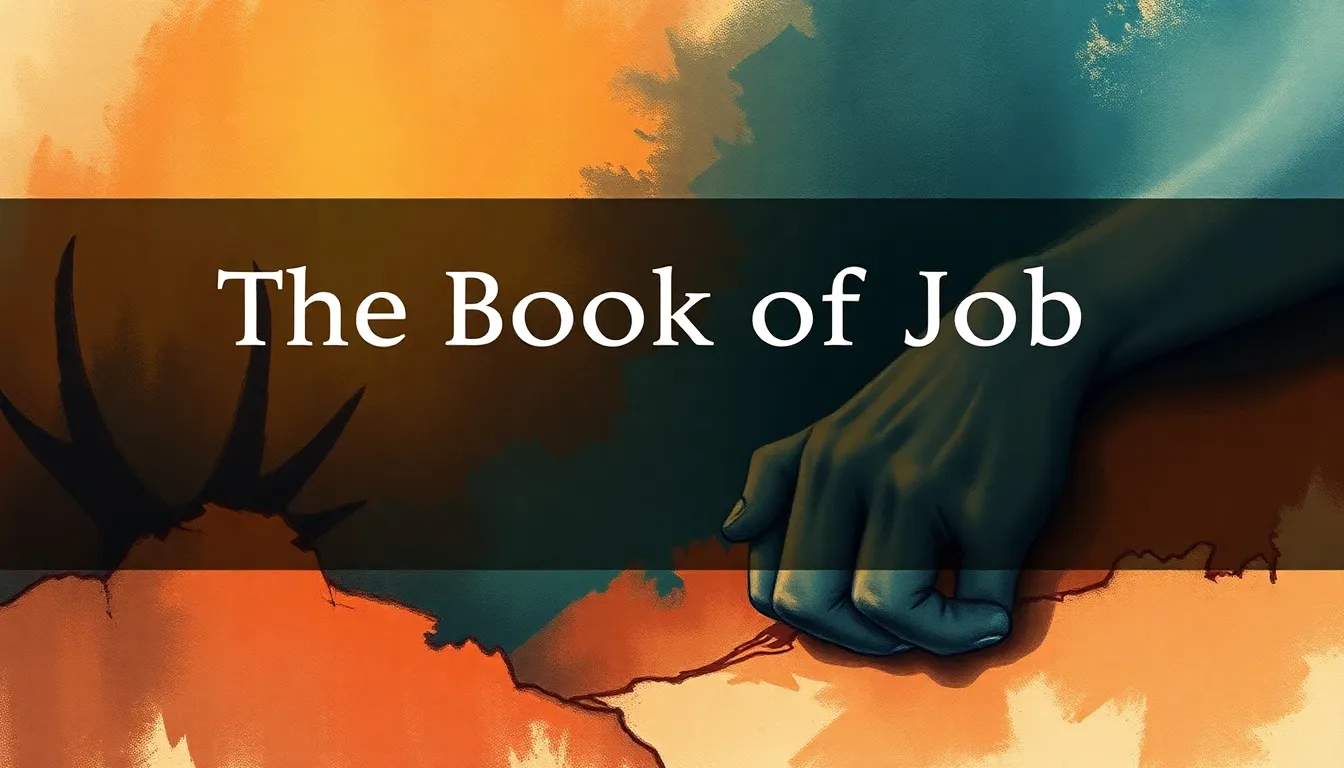
The Book of Job is the Bible's most direct treatment of human suffering — and its answer is stranger, harder, and more beautiful than most people expect.
If you want to understand the Bible's answer to human suffering, you must read Job. Not just quote it. Not mine it for the verse about "the LORD gave and the LORD hath taken away" (Job 1:21). Read all forty-two chapters. Because the full answer to suffering — the one the book actually gives — is much harder, stranger, and more beautiful than the sanitised summary most people carry.
**The Setup**
Job is introduced as a man of blameless character, great wealth, and deep piety. He fears God and turns away from evil. Into this picture of flourishing, God introduces suffering not as punishment but as test. In the divine council scene of chapters 1-2, Satan ("the accuser") challenges God: Job only serves you because you have blessed him. Remove the blessings, and he will curse you to your face.
God's response is to give Satan permission to afflict Job — first his possessions and children, then his health. Job is stripped of everything. He sits among the ashes, scraping his sores with a broken piece of pottery.
It is vital to note what the text says about the cause of Job's suffering: it is not punishment for sin. Job is described as "perfect and upright" (Job 1:1). This is the book's first radical claim: suffering is not always the result of sin. It can serve other purposes in God's sovereign plan — purposes that are not visible to the sufferer or to those who watch from the outside.
**The Three Friends and Their Wrong Theology**
Job's three friends — Eliphaz, Bildad, and Zophar — arrive and initially do something right: they sit with him in silence for seven days. Then they begin to speak. And when they speak, they say things that are theologically coherent, pastorally disastrous, and empirically wrong.
Their argument, in essence, is: suffering is always the result of sin. You are suffering; therefore, you have sinned. Repent and your fortunes will be restored. It sounds pious. It is the prosperity gospel in ancient form, and it is false.
God's verdict on the friends at the end of the book is devastating: "My wrath is kindled against thee, and against thy two friends: for ye have not spoken of me the thing that is right, as my servant Job hath" (Job 42:7). God prefers honest wrestling to false comfort. He prefers Job's anguished protests to the friends' tidy theology.
**Job's Protest and the Limits of Lament**
Job refuses to accept his friends' diagnosis. He insists on his innocence and demands an audience with God. His speeches grow increasingly bold: "Though he slay me, yet will I trust in him: but I will maintain mine own ways before him" (Job 13:15). He calls for a legal hearing. He insists that if he could put his case before God directly, he would prevail.
There is also despair, raw and unfiltered: "Why died I not from the womb? Why did I not give up the ghost when I came out of the belly?" (Job 3:11). The book does not sanitise this. It records Job's darkness without flinching, which is one of the reasons it has been a companion to sufferers across three millennia.
**The Voice from the Whirlwind**
When God finally speaks in chapters 38-41, he does not answer Job's questions. He asks his own. "Where wast thou when I laid the foundations of the earth?" (Job 38:4). The speech is breathtaking in its scope — the foundations of the earth, the morning stars, the storehouses of snow, the Pleiades, the crocodile and the war horse. God is not answering "Why did this happen?" He is asking "Do you understand what kind of God I am and what kind of universe you inhabit?"
Job's response is not to receive an explanation. It is to receive a revelation. "I have heard of thee by the hearing of the ear: but now mine eye seeth thee" (Job 42:5). He does not get answers. He gets God. And that, the book insists, is enough.
**What Job Tells Us About Suffering**
Several things of permanent value:
1. Suffering is not always punishment. The universe is not a simple rewards-and-consequences machine.
2. Honest protest is not faithlessness. God prefers genuine wrestling to formulaic piety.
3. The answer to suffering is not information — it is encounter. Job needed to see God. His suffering became the door through which that seeing became possible.
4. Restoration comes after the darkness, not instead of it. Job is restored in the end (Job 42:10-17) — but only after he has gone all the way through his suffering and refused to let go of God.
This is not a comfortable message. But it is a true one. And for anyone sitting in the ashes right now, it may be the only word that can reach them.
**The Setup**
Job is introduced as a man of blameless character, great wealth, and deep piety. He fears God and turns away from evil. Into this picture of flourishing, God introduces suffering not as punishment but as test. In the divine council scene of chapters 1-2, Satan ("the accuser") challenges God: Job only serves you because you have blessed him. Remove the blessings, and he will curse you to your face.
God's response is to give Satan permission to afflict Job — first his possessions and children, then his health. Job is stripped of everything. He sits among the ashes, scraping his sores with a broken piece of pottery.
It is vital to note what the text says about the cause of Job's suffering: it is not punishment for sin. Job is described as "perfect and upright" (Job 1:1). This is the book's first radical claim: suffering is not always the result of sin. It can serve other purposes in God's sovereign plan — purposes that are not visible to the sufferer or to those who watch from the outside.
**The Three Friends and Their Wrong Theology**
Job's three friends — Eliphaz, Bildad, and Zophar — arrive and initially do something right: they sit with him in silence for seven days. Then they begin to speak. And when they speak, they say things that are theologically coherent, pastorally disastrous, and empirically wrong.
Their argument, in essence, is: suffering is always the result of sin. You are suffering; therefore, you have sinned. Repent and your fortunes will be restored. It sounds pious. It is the prosperity gospel in ancient form, and it is false.
God's verdict on the friends at the end of the book is devastating: "My wrath is kindled against thee, and against thy two friends: for ye have not spoken of me the thing that is right, as my servant Job hath" (Job 42:7). God prefers honest wrestling to false comfort. He prefers Job's anguished protests to the friends' tidy theology.
**Job's Protest and the Limits of Lament**
Job refuses to accept his friends' diagnosis. He insists on his innocence and demands an audience with God. His speeches grow increasingly bold: "Though he slay me, yet will I trust in him: but I will maintain mine own ways before him" (Job 13:15). He calls for a legal hearing. He insists that if he could put his case before God directly, he would prevail.
There is also despair, raw and unfiltered: "Why died I not from the womb? Why did I not give up the ghost when I came out of the belly?" (Job 3:11). The book does not sanitise this. It records Job's darkness without flinching, which is one of the reasons it has been a companion to sufferers across three millennia.
**The Voice from the Whirlwind**
When God finally speaks in chapters 38-41, he does not answer Job's questions. He asks his own. "Where wast thou when I laid the foundations of the earth?" (Job 38:4). The speech is breathtaking in its scope — the foundations of the earth, the morning stars, the storehouses of snow, the Pleiades, the crocodile and the war horse. God is not answering "Why did this happen?" He is asking "Do you understand what kind of God I am and what kind of universe you inhabit?"
Job's response is not to receive an explanation. It is to receive a revelation. "I have heard of thee by the hearing of the ear: but now mine eye seeth thee" (Job 42:5). He does not get answers. He gets God. And that, the book insists, is enough.
**What Job Tells Us About Suffering**
Several things of permanent value:
1. Suffering is not always punishment. The universe is not a simple rewards-and-consequences machine.
2. Honest protest is not faithlessness. God prefers genuine wrestling to formulaic piety.
3. The answer to suffering is not information — it is encounter. Job needed to see God. His suffering became the door through which that seeing became possible.
4. Restoration comes after the darkness, not instead of it. Job is restored in the end (Job 42:10-17) — but only after he has gone all the way through his suffering and refused to let go of God.
This is not a comfortable message. But it is a true one. And for anyone sitting in the ashes right now, it may be the only word that can reach them.
Ready to test your knowledge?
Put what you've read into practice with a Bible quiz — free for every believer.
Build a daily reading habit
Follow a structured plan through the whole Bible — track your progress, day by day.
Tags:
Job
suffering
Old Testament
Bible study
theology
lament
G
Gospel Genius Editorial Team
Gospel Genius Contributor
Gospel Genius is a Bible knowledge platform helping Christians grow deeper in Scripture through quizzes, daily devotions, reading plans, and study resources. Our contributors are believers passionate about making God's Word accessible to every person.
Learn more about Gospel Genius →