Understanding Chiasm: The Hidden Architecture of Biblical Writing
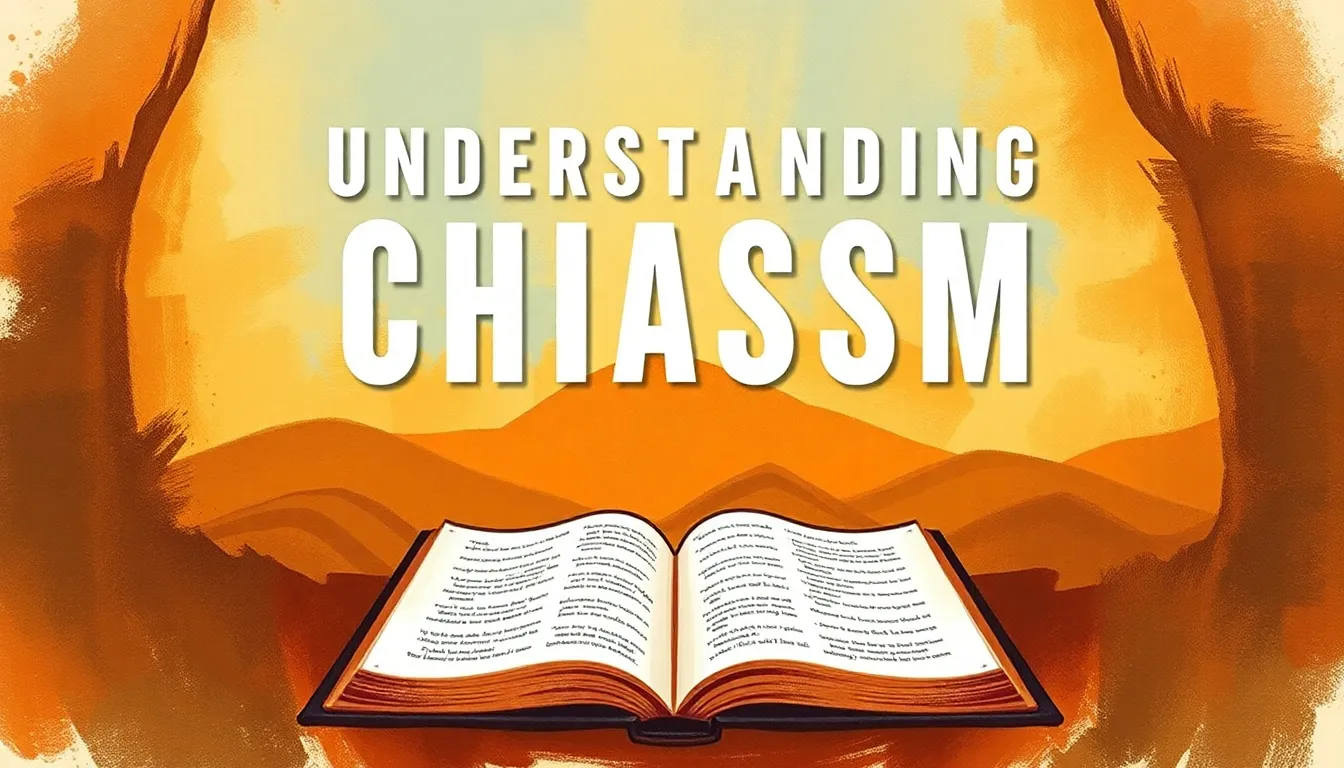
The Bible's authors built literary structures into their texts that modern readers almost never see — structures that change the meaning of everything. Chiasm is the most important of them all.
A Pattern the Bible Keeps Using
Imagine a piece of writing structured like a mirror. The first idea corresponds to the last; the second corresponds to the second-to-last; and so on, until the most important idea sits at the very centre. This is chiasm — one of the most significant literary structures in the ancient world, and one that runs throughout the Bible with remarkable frequency.
The name comes from the Greek letter chi (χ), which forms a cross-shaped pattern when the lines are drawn from corresponding elements. The pattern is also called a "ring structure" or "concentric structure." And once you learn to recognise it, you see it everywhere.
A Simple Example: Matthew 6:24
Even a single verse can be chiastic. Consider Matthew 6:24:
- A: "No man can serve two masters"
- B: "for either he will hate the one"
- B': "and love the other"
- A': "or else he will hold to the one, and despise the other."
- CENTRE: "Ye cannot serve God and mammon."
The structure highlights the impossibility of divided loyalty — and places the conclusion at the structural and conceptual centre.
Genesis 1-11: A Chiasm That Reshapes Everything
The flood narrative (Genesis 6-9) is a textbook chiasm. Scholars have identified the following structure:
- A — Noah enters the ark (7:1-10)
- B — Waters prevail (7:11-24)
- C — God remembers Noah (8:1a)
- B' — Waters recede (8:1b-14)
- A' — Noah leaves the ark (8:15-19)
The theological centrepiece is "God remembered Noah." Everything else in the flood narrative is organised around that single divine act of covenantal memory. The chiasm tells you what the story is about.
Psalm 23: Six Stanzas Built on a Turn
The beloved 23rd Psalm has a chiastic structure that most readers never notice — and that transforms its meaning:
- A — "The LORD is my shepherd" (v.1) — relationship
- B — "He maketh me to lie down" (v.2-3) — provision
- C — "Yea, though I walk through the valley" (v.4) — darkness
- B' — "Thou preparest a table" (v.5) — provision
- A' — "Surely goodness and mercy" (v.6) — relationship
The dark valley sits at the structural centre — not at the end. The Psalm does not climax in danger; it places danger at the hinge point and surrounds it with provision and relationship. This is not accidental. The structure preaches: even the valley is surrounded by the shepherd's care.
Why This Matters for Bible Study
Recognising chiastic structures changes how you read for at least three reasons. First, it identifies the main point: the structural centre is almost always the theological emphasis. Second, it prevents taking verses out of context — the structure shows which ideas belong together. Third, it reveals the intentionality of the biblical authors: these texts were crafted, not merely recorded.
As you read any longer narrative or poem in Scripture, ask: does the second half mirror the first? If it does, look for the turning point. There is where the author's heart is.
Ready to test your knowledge?
Put what you've read into practice with a Bible quiz — free for every believer.
Build a daily reading habit
Follow a structured plan through the whole Bible — track your progress, day by day.
El Shamarani
Gospel Genius Contributor
Gospel Genius is a Bible knowledge platform helping Christians grow deeper in Scripture through quizzes, daily devotions, reading plans, and study resources. Our contributors are believers passionate about making God's Word accessible to every person.
Learn more about Gospel Genius →