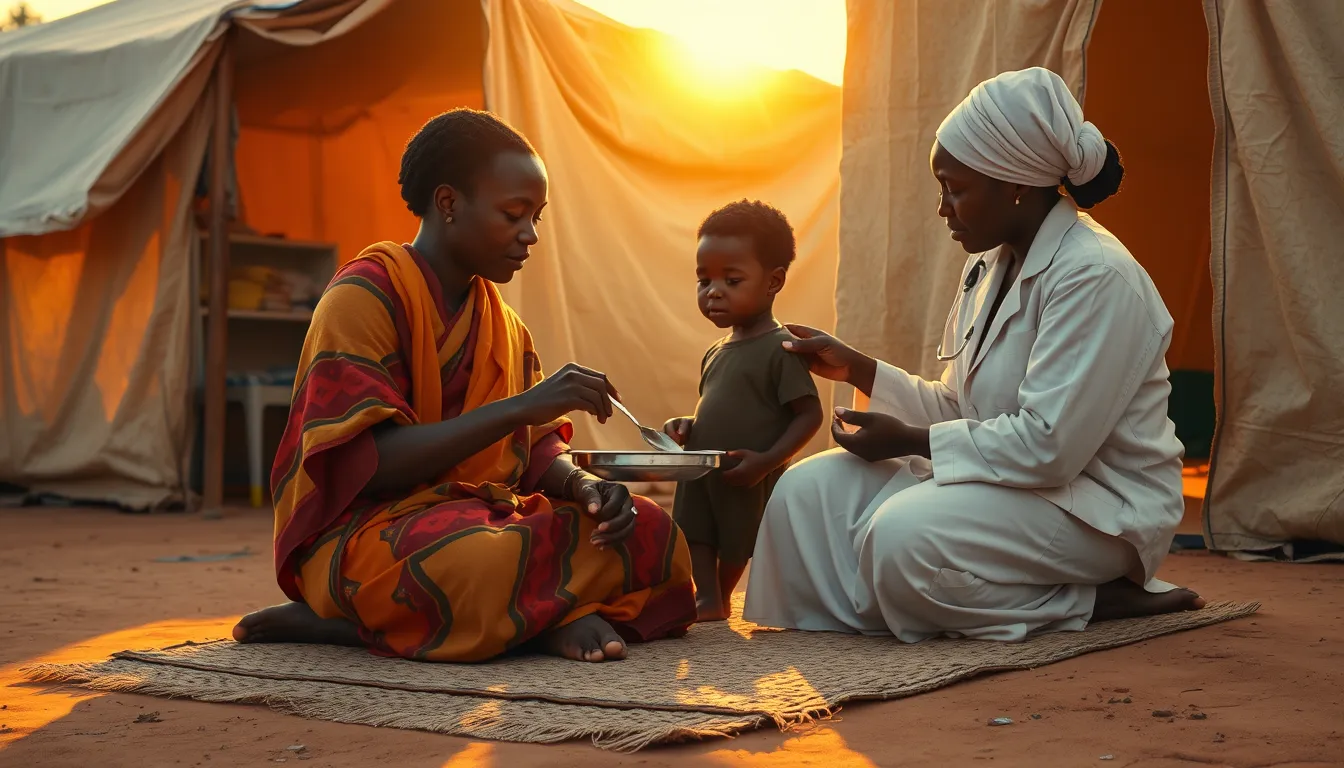
Weeping With Taraba: Where God Meets a Grieving Nation
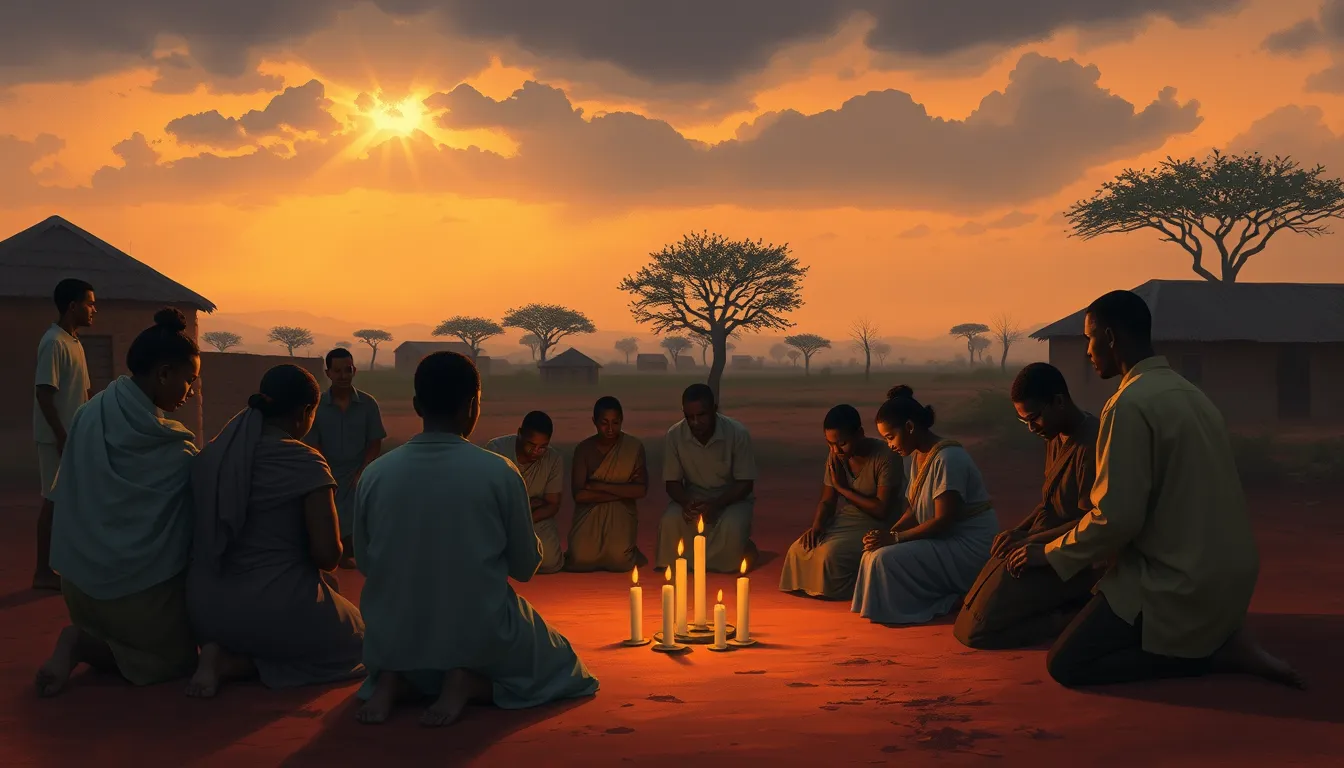
As reports of the Taraba attack put the death toll at about 50, Scripture invites us to weep with the grieving, pray for protection, and trust the God who sees.
The Guardian Nigeria reports that the death toll in a terror attack in Taraba State has risen to 50. BBC reports that police put the toll at 48 in a village raided by gunmen, while Channels Television says the Binnari community puts the figure at 50 and that the government has delivered relief materials.
Behind every number is a name, a family and a story that ended too soon. Before we say anything else, let us simply pause. Some of us will read this with a heavy heart, and some with fear for our own communities. God is not unmoved, and He does not ask us to hurry past grief.
God Draws Near to the Broken-Hearted
When a community is shattered, the first question is often, "Where is God?" Scripture gives a tender answer:
"The LORD is nigh unto them that are of a broken heart; and saveth such as be of a contrite spirit." (Psalm 34:18 KJV)
Notice the word nigh. God does not stand at a distance from the bereaved. He draws close to the widow, the orphan, the parent who has lost a child, and the survivor who cannot sleep. Jesus Himself promised, "Blessed are they that mourn: for they shall be comforted" (Matthew 5:4 KJV). That comfort may not erase the pain quickly, but it is real, and it comes through His presence and through His people.
Weeping Is Not a Lack of Faith
Some believers feel they must respond to tragedy with only strong declarations. But Scripture gives us permission to weep. Paul writes, "Rejoice with them that do rejoice, and weep with them that weep" (Romans 12:15 KJV). Even Jesus wept at the grave of His friend Lazarus (John 11:35 KJV), though He knew what He was about to do.
So let us not rush to explanations or arguments. We do not know the full story behind every tragedy, and it is not our place to say that those who suffered deserved it. Jesus made clear in Luke 13:1-5 that we must never read suffering as proof of someone's guilt. Our calling is to stand with the grieving, not to pass judgement on them.
God Cares About Justice and the Innocent
The Bible is clear that the protection of ordinary, vulnerable people matters deeply to God. The psalmist writes:
"Defend the poor and fatherless: do justice to the afflicted and needy. Deliver the poor and needy: rid them out of the hand of the wicked." (Psalm 82:3-4 KJV)
And Proverbs speaks to everyone who hears of such suffering:
"If thou forbear to deliver them that are drawn unto death, and those that are ready to be slain; If thou sayest, Behold, we knew it not; doth not he that pondereth the heart consider it?" (Proverbs 24:11-12 KJV)
These verses tell us that human life is precious, that God sees what happens to the defenceless, and that none of us may shrug and say, "It is not my business." They do not give us licence for hatred or revenge. They call us to care, to speak for truth and to seek the protection of life, with gentle hearts and clean hands.
How Can We Respond?
1. Pray, and keep praying
Paul urged believers to make "supplications, prayers, intercessions, and giving of thanks" for all people, including "all that are in authority; that we may lead a quiet and peaceable life in all godliness and honesty" (1 Timothy 2:1-2 KJV). Pray for the bereaved families, for the wounded, for the traumatised children, and for all who are grieving in Taraba. Pray also for those responsible for security and for relief, that they would act with wisdom, diligence and compassion.
2. Give where you are able
Reports mention that relief materials have been delivered, and that is welcome. Yet the needs after such an event are long-term: food, shelter, medical care, counselling and school fees. Through trusted churches and relief organisations, we can give practically. As James reminds us, faith without works is dead (James 2:15-17).
3. Guard your heart
Painful news can tempt us toward bitterness, suspicion of our neighbours or despair. Paul says, "Be not overcome of evil, but overcome evil with good" (Romans 12:21 KJV). Let us refuse to repay hatred with hatred, and remain people of peace, truth and mercy in our own communities.
4. Hold on to hope
"God is our refuge and strength, a very present help in trouble" (Psalm 46:1 KJV). We do not understand everything, but we serve a God who has promised that a day is coming when "God shall wipe away all tears from their eyes; and there shall be no more death, neither sorrow, nor crying, neither shall there be any more pain" (Revelation 21:4 KJV). Until then, we mourn with hope, not without it.
A Prayer
Father, we bring before You the families in Taraba who are mourning. Draw near to the broken-hearted, comfort them, and heal the wounded in body and spirit. Protect the innocent, give wisdom to those entrusted with keeping people safe, and make us a people of peace and compassion. Keep our hearts tender and our hope fixed on You, until Your justice and peace fill our land. In Jesus' name, Amen.
Quick quiz · God's comfort for the grieving
How well do you know God's comfort for the grieving?
5 quick questions on what you just read. Free, no account needed.
Play 10 questions on Poetry & Wisdom →Build a daily reading habit. Follow a plan through the whole Bible, day by day.
Choose a plan →Gospel Genius Editorial Team
Gospel Genius Contributor
Gospel Genius is a Bible knowledge platform helping Christians grow deeper in Scripture through quizzes, daily devotions, reading plans, and study resources. Our contributors are believers passionate about making God's Word accessible to every person.
Learn more about Gospel Genius →