When Villagers Are Killed: God Is Near the Brokenhearted
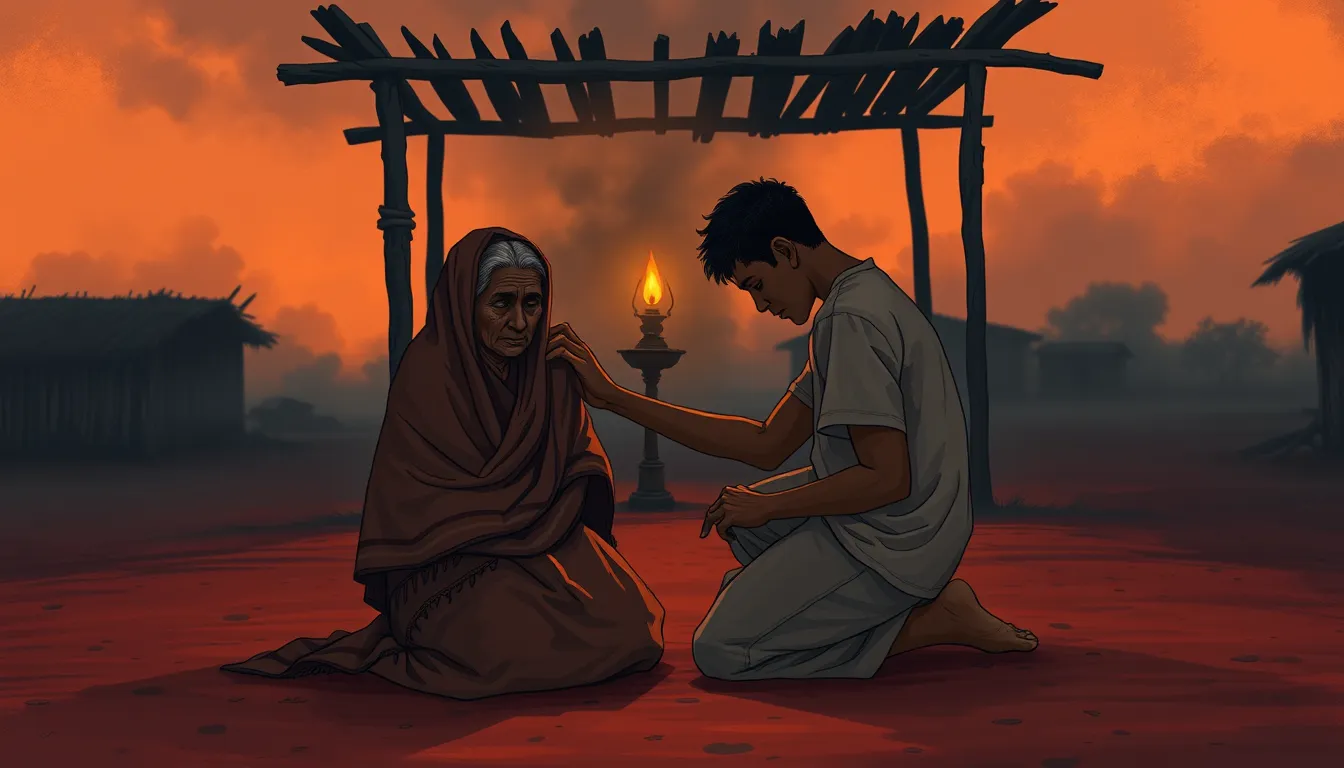
After reports of villagers killed and shops looted in northeast Nigeria, Scripture shows us how to mourn, pray for peace, and seek justice without revenge.
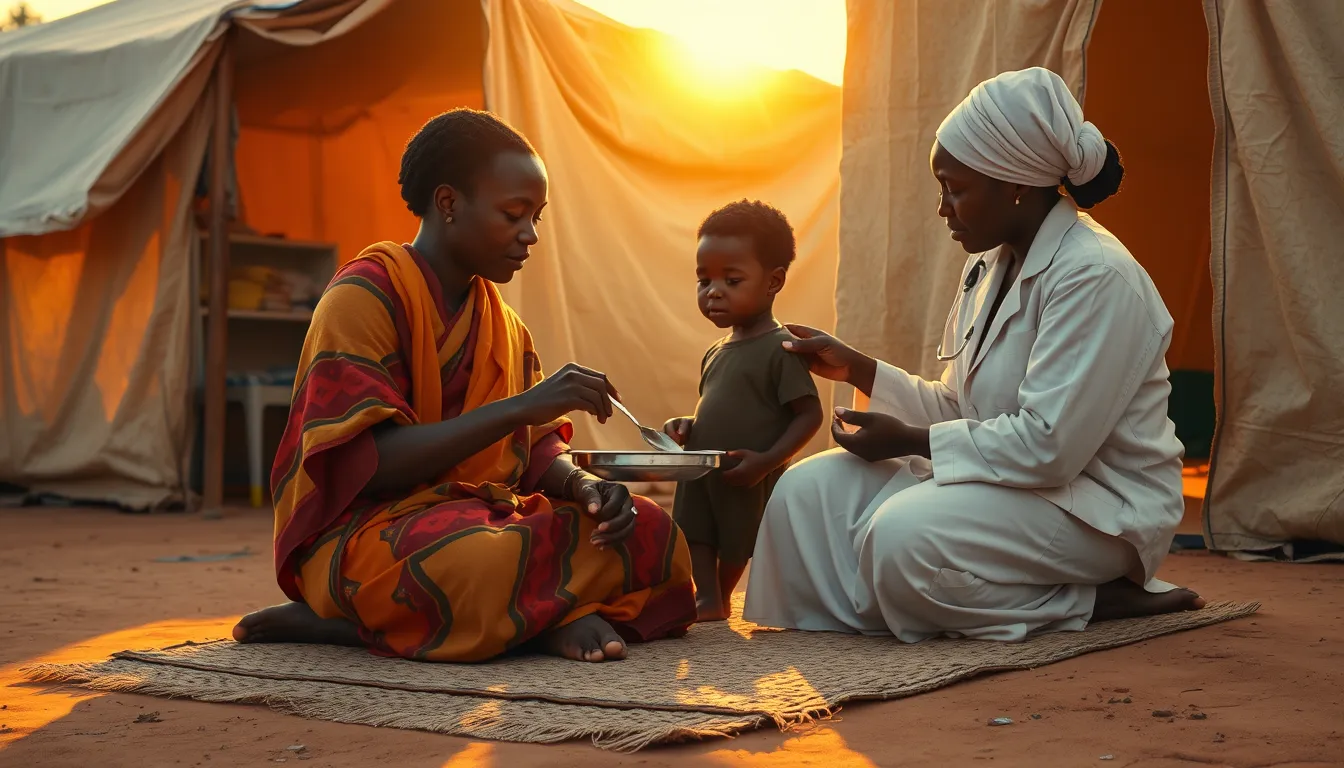
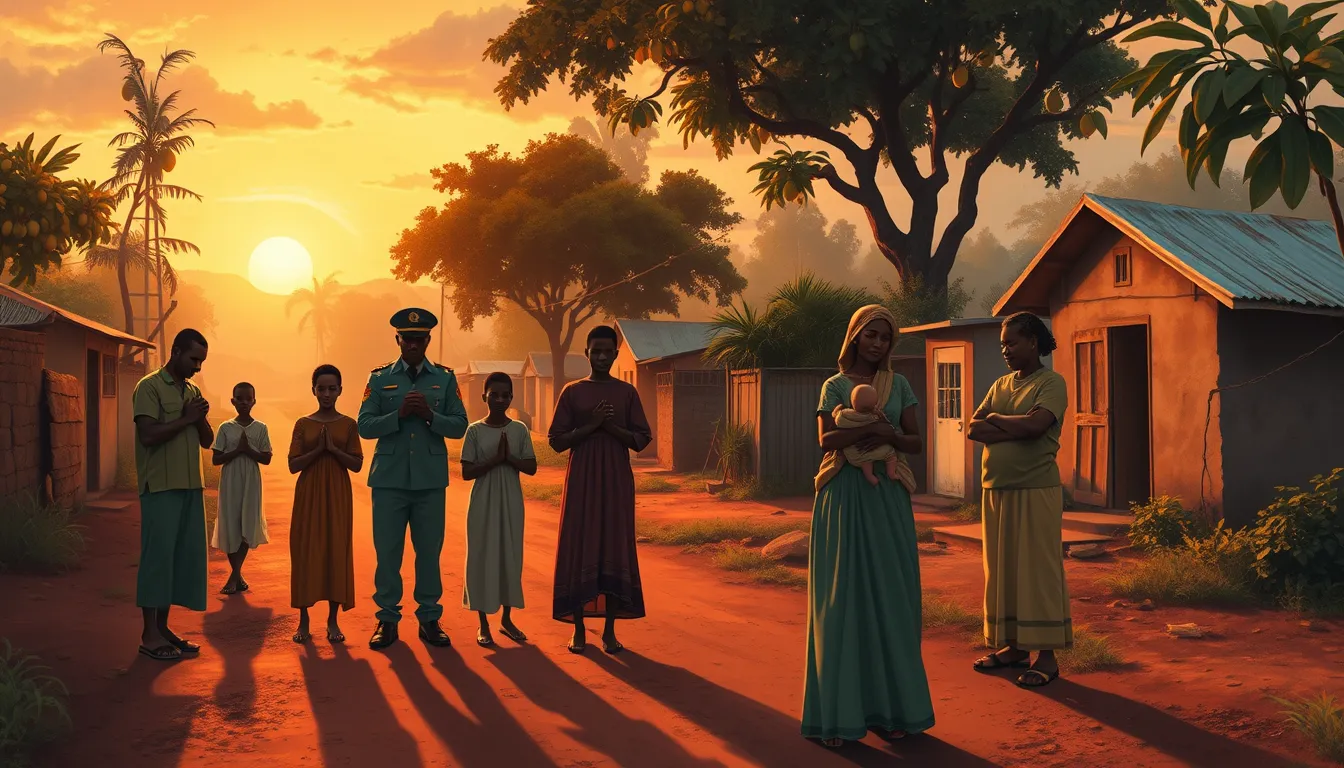
The BBC reports that gunmen have killed at least 10 villagers and looted shops in northeast Nigeria. Behind that short headline are families who are grieving, and a community that has been shaken.
Starting with the grief
Before we reach for opinions or arguments, the Bible invites us to pause. Every life behind that number was known and loved by God, and every empty place at a family table is a real sorrow. Scripture never rushes grief. It makes room for tears, for questions, and for quiet. As believers, we can begin there too.
The Lord is near the brokenhearted
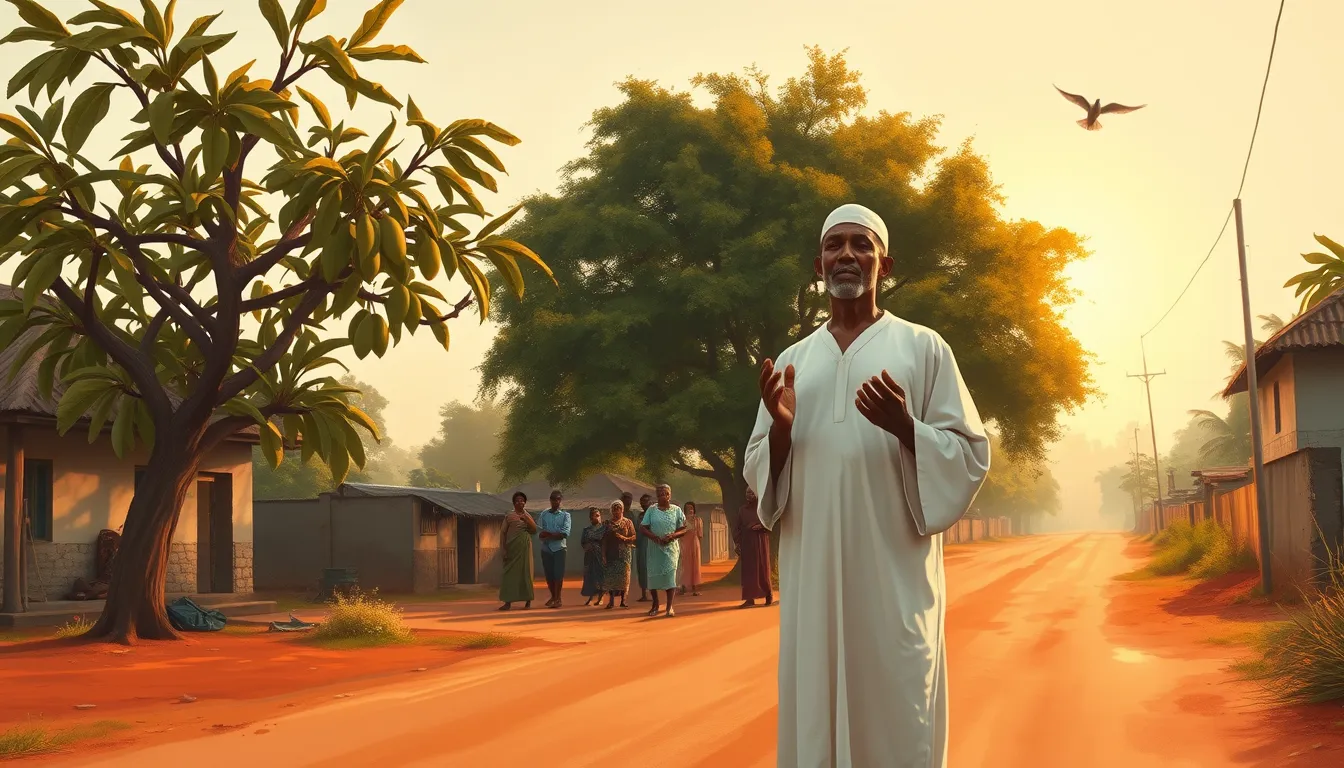
When news like this reaches us, it is natural to ask where God is. The Psalms answer with tenderness:
The LORD is nigh unto them that are of a broken heart; and saveth such as be of a contrite spirit. (Psalm 34:18 KJV)
Notice the word nigh. It means near. God does not stand far off from those who are crushed by loss. He draws close to the widow, the orphan, the parent and the neighbour who is left behind. Another psalm says the same thing in a different way:
He healeth the broken in heart, and bindeth up their wounds. (Psalm 147:3 KJV)
Healing may be slow, and it does not mean the pain is small. But it does mean that no one grieves alone. We can pray with confidence that the God who binds up wounds is present with every family touched by this tragedy.
Mourn with those who mourn
Faith is not only something we hold privately; it is something we do together. Paul gives a simple instruction to the church:
Rejoice with them that do rejoice, and weep with them that weep. (Romans 12:15 KJV)
To weep with others is to refuse to look away. Even if we live far from the northeast, we belong to one body. When one part suffers, the whole body feels it. That may look like setting aside time in your fellowship to pray for the bereaved by name where possible, or by simply saying, "We are with you." It may also look like giving through a trusted church or relief organisation that helps those who have lost loved ones or livelihoods.
Seek justice, not revenge
Violence stirs anger, and anger is not always wrong. But the Bible teaches us where to place it. The prophet Micah reminds us what God asks of His people:
He hath shewed thee, O man, what is good; and what doth the LORD require of thee, but to do justly, and to love mercy, and to walk humbly with thy God? (Micah 6:8 KJV)
Doing justly means we care that wrongs are properly addressed and that the vulnerable are protected. The psalmist says, "Defend the poor and fatherless: do justice to the afflicted and needy" (Psalm 82:3 KJV). It is right for Christians to pray for those responsible for safety and for the fair application of the law, and to speak up for the protection of ordinary people.
But justice and revenge are not the same thing. Paul writes:
Dearly beloved, avenge not yourselves, but rather give place unto wrath: for it is written, Vengeance is mine; I will repay, saith the Lord. (Romans 12:19 KJV)
We are not asked to pretend that evil is not evil. We are asked to trust that God sees, that He judges rightly, and that we do not need to answer violence with hatred. A few verses later comes the call that should shape our response: "Be not overcome of evil, but overcome evil with good" (Romans 12:21 KJV).
Blessed are the peacemakers
Jesus gave His followers a special calling in troubled times:
Blessed are the peacemakers: for they shall be called the children of God. (Matthew 5:9 KJV)
Peacemaking begins with prayer, but it does not end there. Here are a few ways ordinary Nigerian believers can respond:
- Pray daily for the bereaved, the wounded, and families who feel unsafe.
- Pray for those who protect communities, that they will act with courage, integrity and fairness.
- Guard your words. Do not spread rumours or unverified claims, and do not share painful images that dishonour the dead.
- Refuse to blame whole groups of people for the actions of a few. Every person is made in the image of God.
- Be kind to neighbours across every line of tribe and faith, because trust is built in small daily acts.
A hope that holds
Our hope is not that life will never be hard. It is that God is still on His throne, that He knows His people by name, and that one day He will wipe away every tear. Until then, we are called to be people who comfort, pray, work for what is right, and love without bitterness.
A prayer
Father, we come to You with heavy hearts for the families who are mourning. Be near to the brokenhearted, bind up their wounds, and surround them with Your comfort and with caring people. Restore peace to every community living in fear, and protect the vulnerable. Keep our hearts free from hatred, and make us people who act justly, love mercy and walk humbly with You. In Jesus' name, Amen.
Quick quiz · God's nearness to the brokenhearted
How well do you know God's nearness to the brokenhearted?
5 quick questions on what you just read. Free, no account needed.
Play 10 questions on Poetry & Wisdom →Build a daily reading habit. Follow a plan through the whole Bible, day by day.
Choose a plan →Gospel Genius Editorial Team
Gospel Genius Contributor
Gospel Genius is a Bible knowledge platform helping Christians grow deeper in Scripture through quizzes, daily devotions, reading plans, and study resources. Our contributors are believers passionate about making God's Word accessible to every person.
Learn more about Gospel Genius →