The Seven Churches of Revelation: What Each Letter Means for Us Today
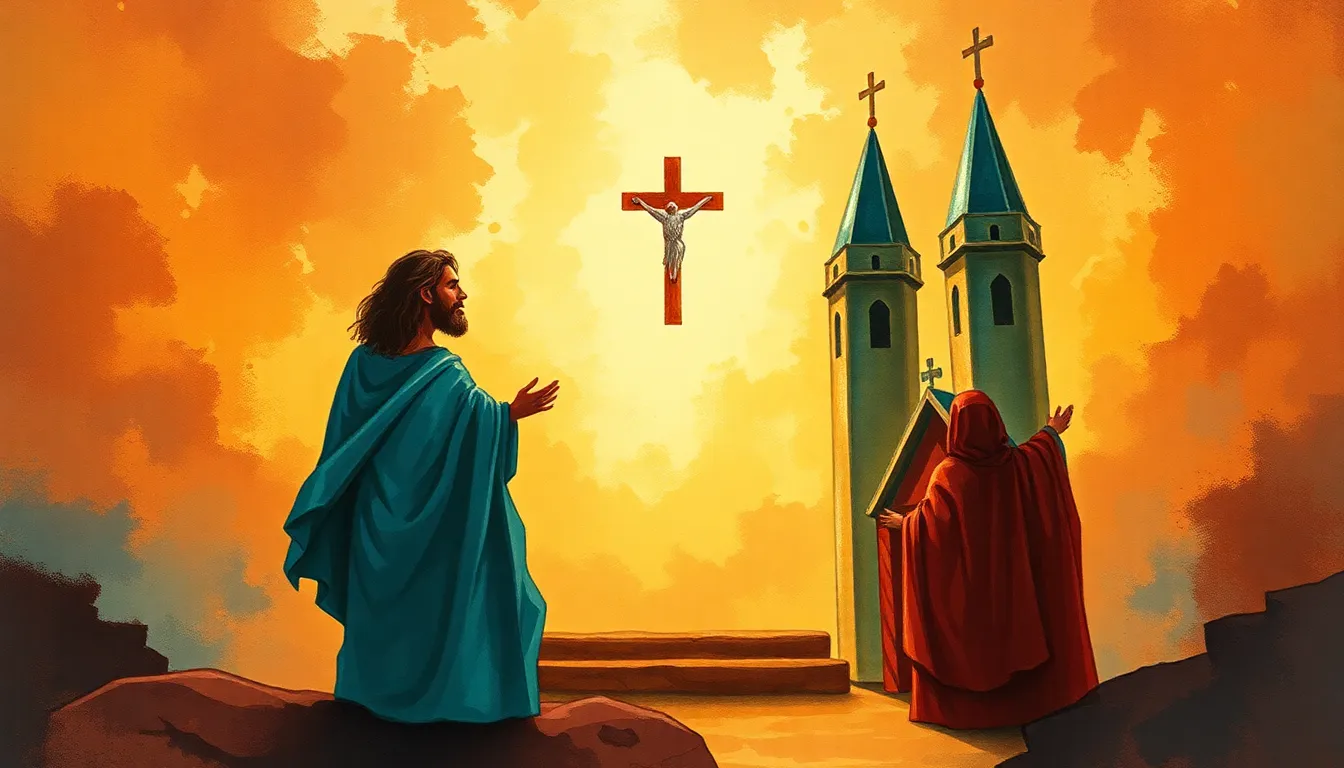
In Revelation 2–3, Jesus addresses seven real churches in Asia Minor with words of commendation, correction, and warning. Two thousand years later, these seven letters remain some of the most pointed words in the entire Bible.
The book of Revelation opens with a vision so overwhelming that the apostle John falls at the feet of the risen Christ "as dead" (Revelation 1:17). But before the cosmic drama of seals, trumpets, and bowls begins, Jesus delivers seven highly specific letters to seven real churches in the Roman province of Asia.
These letters are not allegories or generalisations. They are addressed to communities that actually existed — communities with identifiable strengths, failures, and temptations. And because human nature has not changed, they address us with equal directness today.
The Pattern of Each Letter
Each of the seven letters follows a consistent structure: a description of Christ, a statement of what he knows about the church, a commendation (for most), a correction, a command, and a promise to the one who overcomes. Understanding this pattern helps you read each letter with full force.
Ephesus: The Loveless Orthodox
Ephesus was the leading city of Asia Minor — wealthy, cosmopolitan, home to the temple of Artemis. The church there had serious doctrinal discernment; it had tested false apostles and found them wanting. But Christ's verdict cuts deep: "Nevertheless I have somewhat against thee, because thou hast left thy first love" (Revelation 2:4).
Orthodoxy without love is a corpse that has not yet been buried. The Ephesian believers had maintained correct doctrine while losing the warmth that once drove them. The command: remember, repent, and return to the works you did at first.
Smyrna: The Persecuted Poor
Smyrna was the one church Jesus did not correct. They were materially poor, under persecution from a local synagogue, and facing imminent imprisonment. Christ's word to them contains no rebuke — only identification: "I know thy works, and tribulation, and poverty (but thou art rich)" (Revelation 2:9).
The church that suffers most receives the most direct words of comfort. "Be thou faithful unto death, and I will give thee a crown of life" (2:10). Polycarp, bishop of Smyrna, was martyred around AD 155. His death was described by early Christians as a fulfilment of this very promise.
Pergamos: The Compromised
Pergamos was the seat of Roman imperial power in Asia — "where Satan's throne is" (Revelation 2:13). The church had held fast under that pressure. But it had also allowed two corrupting influences: the teaching of Balaam (leading people into idolatry and sexual immorality) and the teaching of the Nicolaitans.
The lesson: geographical faithfulness is not the same as doctrinal faithfulness. A church can resist state persecution while tolerating false teaching in its pews. Christ's call is to repent, or he will come and fight against them himself.
Thyatira: The Tolerant
Thyatira was a working-class city of trade guilds. The church had grown in love, service, and faith. But it had allowed a woman Christ calls "Jezebel" to teach and seduce believers into sexual immorality and idol food — likely the practices required at guild feasts.
The name Jezebel is a deliberate echo of Ahab's queen who led Israel into Baal worship. The pattern repeats: external growth does not cancel internal corruption. The promise to the faithful remnant is striking — they will share in Christ's ruling authority over the nations (Revelation 2:26–27).
Sardis: The Living Dead
Sardis had a reputation for being alive. Its history — twice captured by enemies who scaled walls the Sardians thought too steep to climb — gave it a culture of overconfidence. The church mirrored the city: famous, apparently thriving, but spiritually near death. "I have not found thy works perfect before God" (Revelation 3:2).
There is a frightening gap between reputation and reality. Jesus' command here is blunt: wake up. Strengthen what remains. "Thou hast a few names even in Sardis which have not defiled their garments; and they shall walk with me in white" (3:4) — the faithful remnant is acknowledged and will be honoured.
Philadelphia: The Open Door
Philadelphia, like Smyrna, receives no correction — only encouragement. The church was small and apparently weak, but had kept Christ's word and not denied his name. The reward is an open door that no one can shut.
"Behold, I have set before thee an open door, and no man can shut it: for thou hast a little strength, and hast kept my word, and hast not denied my name." — Revelation 3:8
Small churches that remain faithful are not forgotten. Philadelphia's reward was the promise of protection through the coming hour of trial — and the permanent inscription of God's name and Christ's name upon those who overcome.
Laodicea: The Lukewarm
Laodicea is the most famous — and most uncomfortable — of the seven. It was the wealthiest city in the region, known for banking, wool, and eye medicine. The church had absorbed the city's self-sufficiency: "I am rich, and increased with goods, and have need of nothing" (Revelation 3:17).
Christ's assessment was opposite: wretched, miserable, poor, blind, and naked. The water supply in Laodicea arrived lukewarm via aqueduct from nearby hot springs — neither the healing warmth of hot water nor the refreshing cool of cold water, just tepid and nauseating. "Because thou art lukewarm, and neither cold nor hot, I will spue thee out of my mouth" (3:16).
The beauty of this letter is its closing verse: "Behold, I stand at the door, and knock" (3:20). Even to the most self-satisfied, most spiritually complacent church, Christ stands outside — not in judgment yet, but in invitation. The door can still be opened.
What All Seven Letters Share
Every letter ends with the same refrain: "He that hath an ear, let him hear what the Spirit saith unto the churches." The plural "churches" is significant — each letter was meant to be read by all seven congregations, and by every church that has existed since.
Do you recognise your own church in any of these portraits? Perhaps you have Ephesus's doctrinal clarity but Laodicea's self-sufficiency. Perhaps you have Thyatira's love but Pergamos's compromise. The seven letters are not ancient history. They are a diagnostic instrument — and the physician who wrote them still makes house calls.
Reflection: Which of the seven churches do you think most closely mirrors your own spiritual life right now? What specific command in that letter applies to you today?
Ready to test your knowledge?
Put what you've read into practice with a Bible quiz — free for every believer.
Build a daily reading habit
Follow a structured plan through the whole Bible — track your progress, day by day.
El Shamarani
Gospel Genius Contributor
Gospel Genius is a Bible knowledge platform helping Christians grow deeper in Scripture through quizzes, daily devotions, reading plans, and study resources. Our contributors are believers passionate about making God's Word accessible to every person.
Learn more about Gospel Genius →