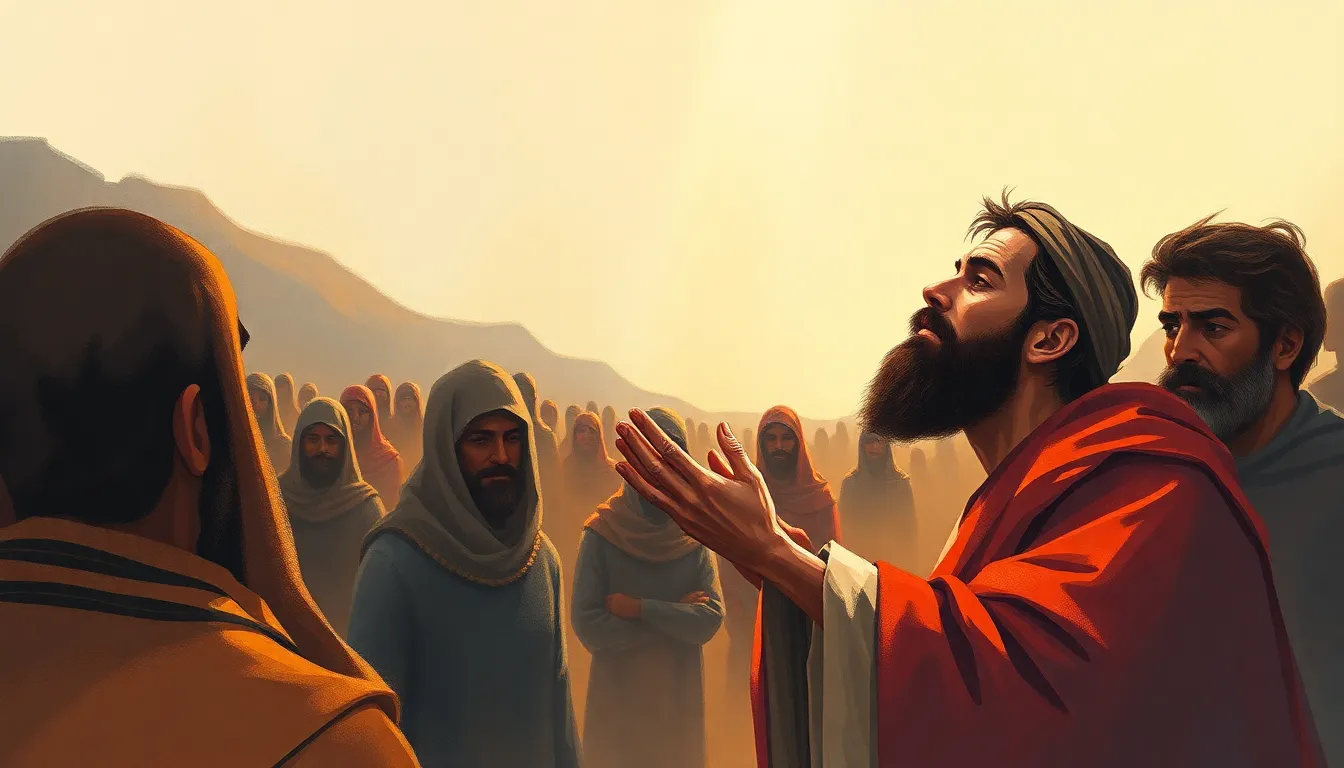
Portrait of Faith: Pastor E.A. Adeboye — The Mathematics Professor Who Became a Father to a Nation
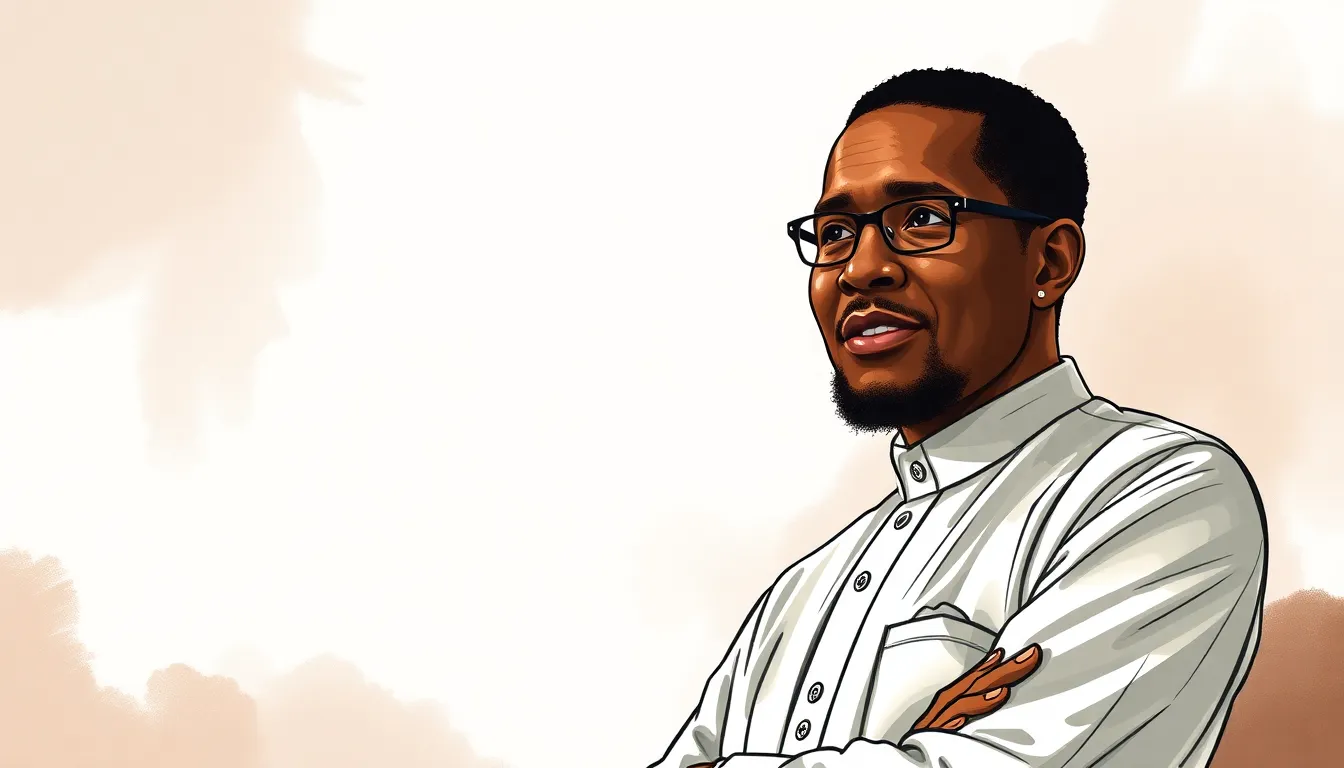
Enoch Adeboye was a lecturer in mathematics at the University of Lagos when he translated a single sermon by Pa Josiah Akindayomi. That act of service launched one of the most extraordinary pastoral careers in modern church history.
Enoch Adejare Adeboye was not looking for a ministry when he walked into a Redeemed Christian Church of God service in the early 1970s. He was looking for a translator. His wife had recently converted under the preaching of Pa Josiah Akindayomi, the founder of the RCCG, and she wanted her husband to understand what was being said. Akindayomi preached in Yoruba. Adeboye, a mathematics postgraduate student, was asked to translate.
He translated. He also listened. By his own account, what he heard in that room was something he had not encountered in his years of academic achievement: the presence of God at a level that made everything else in the room irrelevant. He converted. He was ordained. And in 1981, Pa Akindayomi — near death and by then almost entirely incapacitated — called Adeboye to his bedside, placed his hands on him, and named him as his successor.
Adeboye was thirty-nine. The RCCG had a few hundred congregations. He had never sought the position. It arrived as a charge he did not feel qualified to carry.
The Transformation
The RCCG under Pa Akindayomi had been a deeply spiritual but relatively small holiness movement, primarily Yoruba in composition, known for austere discipleship and deep prayer. What Adeboye inherited was genuine — he has never minimised Akindayomi's foundations — but it was not yet the movement it would become.
Two decisions defined the early years of his leadership. First, he decided that the RCCG's geographical and ethnic boundaries were obstacles to the Great Commission. The church was not called to be a Yoruba denomination — it was called to plant a church within five minutes of every person on earth. That vision, stated publicly in 1981, became the organising framework for everything that followed.
Second, he restructured the church's approach to prayer. The annual Holy Ghost Congress and the monthly Holy Ghost Night — all-night prayer services that draw hundreds of thousands to the Redemption Camp on the Lagos-Ibadan expressway — became the spiritual engine of the movement. These were not programmes. They were an expression of Adeboye's own prayer life, made corporate and accessible.
"Prayer is not preparation for the work. Prayer is the work." — Pastor E.A. Adeboye
The Redemption Camp
The Redemption Camp deserves its own account. It began as a modest prayer ground in the 1980s and has grown into what is effectively a city — with a 3.5 million-capacity auditorium (the largest in the world by seated capacity), a university, a hospital, a secondary school, a petrol station, banks, a post office, and a residential population in the tens of thousands.
When the annual Holy Ghost Congress is held in December, the camp and its environs receive an estimated one million to three million visitors over several days. The logistics alone — traffic management, sanitation, feeding, security — represent a organisational achievement that has attracted attention from urban planners and logisticians studying crowd management in the Global South.
But the camp is not primarily a logistics story. For millions of Nigerians, it is a place of encounter — where they prayed through a barrenness and conceived, where they brought a dying family member and saw them restored, where they walked in carrying a burden they had carried for years and left without it. These testimonies, whether one reads them through a cessationist or continuationist lens, are the emotional and spiritual currency of the RCCG's growth.
Navigating Controversy With Dignity
Adeboye's stature has not shielded him from controversy. Some public statements — including comments on marriage and wifely submission that drew significant criticism from women and egalitarian evangelicals in 2021 — generated genuine debate among Nigerian Christians. His defenders noted that he was speaking from a specific cultural and theological tradition; his critics argued that his platform made such statements influential in ways that could be harmful.
What was notable was Adeboye's response: he engaged the criticism without dismissing it, acknowledged that his words had caused pain he had not intended, and continued the dialogue rather than retreating into institutional defensiveness. This willingness to remain in conversation with people who disagreed with him publicly is not common among leaders of his scale.
The 2016 death of his son, Dare Adeboye, at forty-two years old, was an intensely public grief that millions watched him carry. His response — continued ministry, continued public testimony, an honest acknowledgement of grief alongside faith — was a pastoral moment of unusual power. He did not offer easy answers about why God allows devastating loss. He offered the example of a man who knew God well enough to hold the two realities together without explanation.
Open Heavens and the Daily Devotional Culture
Adeboye's Open Heavens daily devotional has been published continuously since 1981 and is one of the most widely read Christian devotionals in Africa. It is estimated that more than one million copies of the annual volume are distributed each year in Nigeria alone, with digital versions reaching millions more globally.
The devotional's consistent features — a Scripture verse, a brief expository comment, a prayer prompt, and a point of application — are not sophisticated by academic standards. They are accessible, direct, and daily. The accumulated effect of forty-plus years of daily devotional writing, in millions of homes, is a discipleship infrastructure that no single Sunday sermon could replicate.
The Global Reach
RCCG today has parishes in over 190 countries. Its North American congregations number in the hundreds. In the United Kingdom, RCCG is one of the largest church networks. African Christianity is no longer receiving the gospel from the West — in significant part because of the RCCG and similar movements, it is sending it there.
Adeboye's framing of this is explicitly missiological: "God used Europe to bring the gospel to Africa. Now he is using Africa to bring it back to Europe. Every debt is repaid." This reversal — accomplished not through political power but through gathered communities of prayer and testimony — is one of the most remarkable developments in the history of global Christianity.
The mathematics professor who walked into a church to translate a sermon changed the spiritual landscape of a continent. He would say that is what happens when an ordinary person stops managing their own life and hands it entirely to God.
Reflection: Adeboye's succession story raises a question about how God prepares people for significant roles through small acts of service. What small act of service are you currently doing that God might be using to prepare you for something you cannot yet see?
Ready to test your knowledge?
Put what you've read into practice with a Bible quiz — free for every believer.
Build a daily reading habit
Follow a structured plan through the whole Bible — track your progress, day by day.
El Shamarani
Gospel Genius Contributor
Gospel Genius is a Bible knowledge platform helping Christians grow deeper in Scripture through quizzes, daily devotions, reading plans, and study resources. Our contributors are believers passionate about making God's Word accessible to every person.
Learn more about Gospel Genius →