Fasting in the Bible: Types, Duration, and Purpose
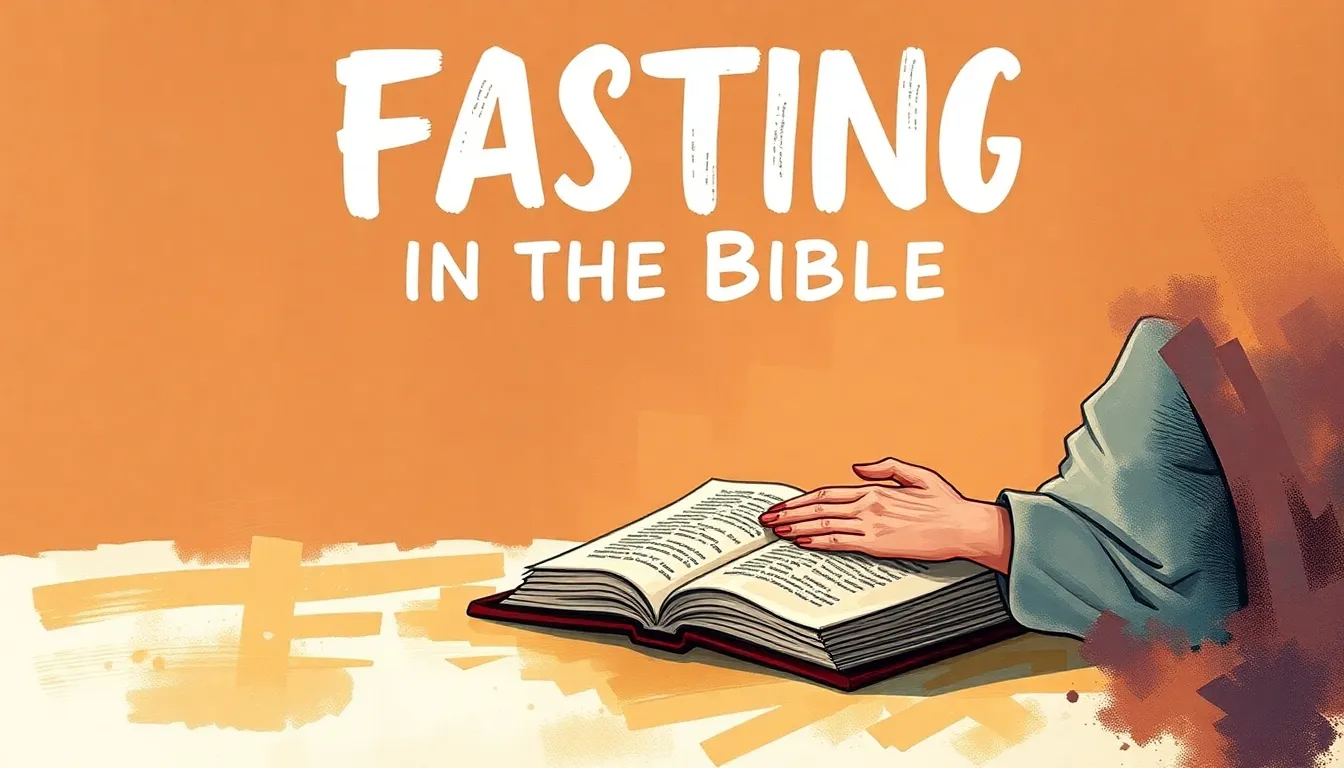
Fasting appears over 70 times in the Bible, yet many Christians treat it as an optional extra or a weight-loss strategy. Understanding the biblical types and purposes of fasting recovers one of the most powerful spiritual disciplines.
Jesus assumed his disciples would fast. Not "if you fast" — but "when you fast" (Matthew 6:16). He gave instructions on how to do it, not whether to do it. And yet in many churches today, fasting is treated as either an optional spiritual discipline for the especially devoted or a tool for weight management.
A careful reading of Scripture reveals something different: fasting is woven throughout the biblical narrative as a normal response to specific situations, and its absence from normal Christian practice is a loss worth recovering.
Types of Fasting in Scripture
1. The Normal Fast
The most common biblical fast involves abstaining from all food (but not water) for a specified period — typically from dawn to sunset or from one evening to the next. This is the fast described in Matthew 6:16–18, Ezra 8:21, and throughout the prophets. When the Bible says someone "fasted," without further qualification, this is generally what is meant.
2. The Absolute Fast
An absolute fast involves abstaining from both food and water. This is a severe fast, used only in the most extreme circumstances. Moses fasted absolutely for forty days when he received the law on Sinai (Deuteronomy 9:9) — a clearly supernatural event. Esther called for a three-day absolute fast before approaching the king uninvited (Esther 4:16). Paul fasted absolutely for three days after his encounter with Christ on the Damascus road (Acts 9:9). Absolute fasts beyond three days are not prescribed in Scripture and present serious health risks.
3. The Partial Fast
Daniel's fast (Daniel 1:12; 10:3) involved abstaining from "pleasant food" — meat, wine, and rich foods — while continuing to eat basic vegetables and drink water. This partial fast was sustained for extended periods (21 days in Daniel 10). In some traditions this is called a "Daniel fast" and is used for extended periods of seeking God when a complete fast is not possible.
4. Corporate and National Fasts
The Day of Atonement (Yom Kippur) required all Israel to fast (Leviticus 16:29–31). Joel called the entire nation to a solemn assembly of fasting in response to national disaster (Joel 1:14; 2:12–15). Ezra proclaimed a corporate fast before the dangerous journey from Babylon to Jerusalem (Ezra 8:21). These fasts express corporate dependence on God in moments of crisis or repentance.
Duration of Biblical Fasts
Biblical fasts range in duration:
- One day — the Day of Atonement (from evening to evening)
- Three days — Esther's fast; Paul after Damascus
- Seven days — the men of Jabesh-Gilead after recovering Saul's body (1 Samuel 31:13)
- Twenty-one days — Daniel (partial)
- Forty days — Moses (twice), Elijah, Jesus
The forty-day fasts of Moses, Elijah, and Jesus are extraordinary. They are not presented as models for regular practice — they occur at pivotal moments in redemptive history. Jesus' fast in the wilderness (Matthew 4:1–11) is deliberately placed before his public ministry and explicitly enabled by the Holy Spirit, not by human resolution.
Why People Fasted in Scripture
Mourning and Repentance
The most frequent context for fasting in the Old Testament is mourning — over sin, over death, over national disaster. When David's son lay dying, "David fasted and lay all night upon the earth" (2 Samuel 12:16). When Nehemiah heard of Jerusalem's destruction, "I mourned certain days, and fasted" (Nehemiah 1:4). Fasting externalises an internal state of grief or repentance.
Seeking Divine Guidance
Before major decisions, biblical figures fasted. Ezra fasted before the journey to Jerusalem because he was too ashamed to ask the king for a military escort, having boasted in God's protection (Ezra 8:21–23). The church at Antioch fasted and prayed before sending Paul and Barnabas on their first missionary journey (Acts 13:2–3). Fasting accompanies significant decisions that require divine wisdom beyond human calculation.
Urgent Intercession
When Esther faced the threat of genocide, she called for a three-day fast before approaching the king. When Nineveh heard Jonah's message, "the people of Nineveh believed God, and proclaimed a fast" (Jonah 3:5). Fasting accompanies intercession when the stakes are high and the need is urgent.
"Is not this the fast that I have chosen? to loose the bands of wickedness, to undo the heavy burdens, and to let the oppressed go free?" — Isaiah 58:6
Isaiah 58: The Fast God Honours
Isaiah 58 is the most extended treatment of fasting in the prophets, and it subverts every performance-based understanding of the practice. Israel was fasting and asking why God was not noticing (58:3). God's answer was not that they were fasting wrong in terms of technique — it was that they were fasting while continuing to oppress workers, pursue their own pleasures, and quarrel among themselves (58:3–5).
The fast God desires, Isaiah says, involves feeding the hungry, housing the wanderer, clothing the naked, and not turning away from your own family's needs (58:6–7). The discipline of self-denial in fasting is meant to produce empathy and generosity, not a spiritual reward collected in isolation from one's neighbours.
Fasting in the New Testament and Today
Jesus fasted and expected his disciples to fast (Matthew 6:16–18; 9:14–15). The early church fasted at key moments (Acts 13:2; 14:23). Paul fasted regularly (2 Corinthians 6:5; 11:27).
For Christians today, fasting is not a way to earn God's attention — it is a way to reorient attention toward God. By interrupting the body's normal rhythms, fasting creates a physical experience of dependence that mirrors the spiritual reality we are meant to live in constantly. The hunger pangs become a cue to pray.
If you have never fasted, consider starting with a one-meal fast — skip lunch, use that time to pray, and break the fast at dinner. Build the practice slowly. The goal is not endurance — it is attentiveness.
Reflection: Is there a specific situation in your life right now — a decision, a burden, an intercession — that calls for fasting? Consider setting aside one day this week to fast and pray specifically about that situation.
Ready to test your knowledge?
Put what you've read into practice with a Bible quiz — free for every believer.
Build a daily reading habit
Follow a structured plan through the whole Bible — track your progress, day by day.
El Shamarani
Gospel Genius Contributor
Gospel Genius is a Bible knowledge platform helping Christians grow deeper in Scripture through quizzes, daily devotions, reading plans, and study resources. Our contributors are believers passionate about making God's Word accessible to every person.
Learn more about Gospel Genius →