Forgiveness Is Not Weakness: A Biblical Case for Letting Go
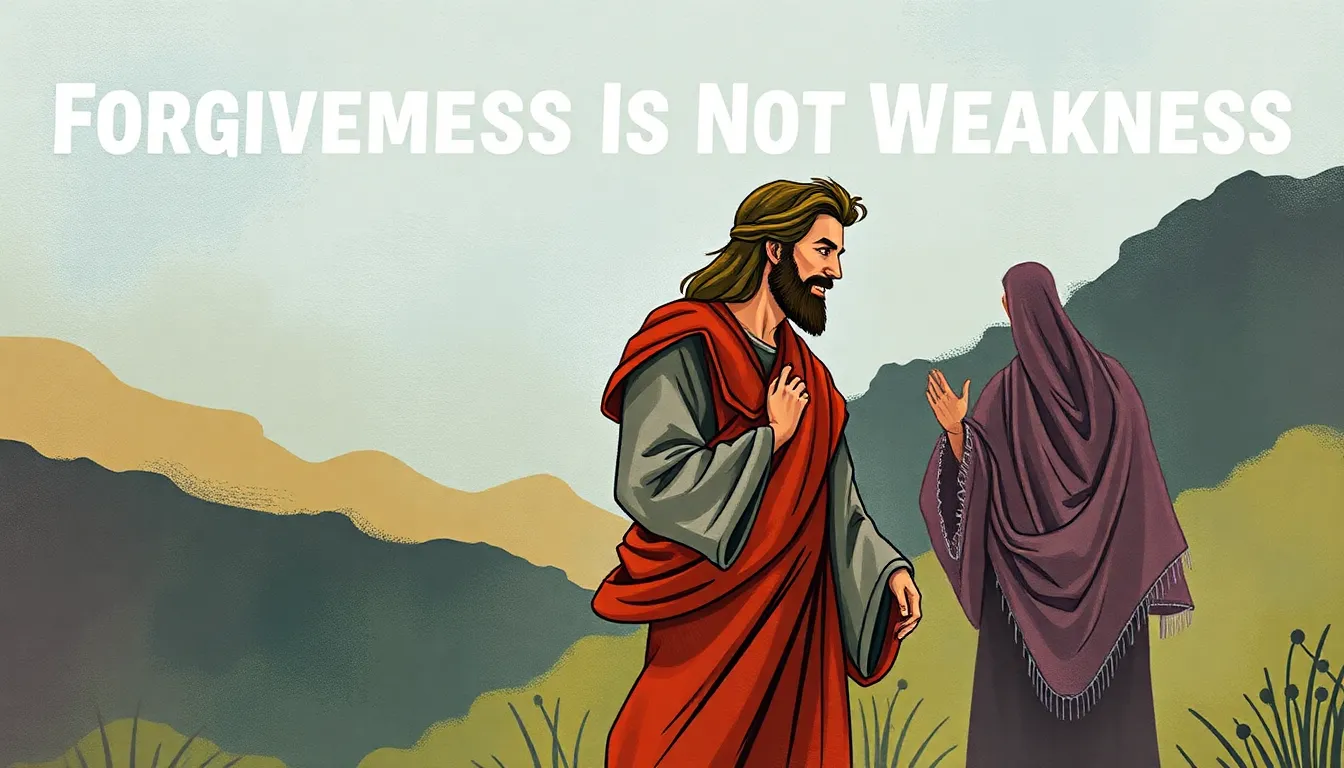
In a culture that celebrates holding grudges as strength, the Bible's call to forgive looks naive. But true forgiveness is one of the most demanding and powerful acts a human being can perform.
The Misunderstanding About Forgiveness
Popular culture has convinced us that forgiveness is something you offer when someone has earned it, when the relationship deserves saving, or when the offence was minor enough to overlook. To forgive quickly, or to forgive without demanding justice, is portrayed as weakness — a doormat theology for people too afraid to stand up for themselves.
This is the opposite of what Scripture teaches. Biblical forgiveness is not the absence of strength — it is one of the most demanding exercises of strength that a human being can perform.
What Forgiveness Actually Is (and Isn't)
Forgiveness is not any of these things:
- It is not the same as reconciliation. You can forgive someone who never apologises. You can forgive someone who is dead. Reconciliation requires two people; forgiveness requires only one.
- It is not the same as trust. Forgiving someone who abused you does not mean putting yourself back in an unsafe situation. Trust is rebuilt over time through behaviour. Forgiveness is released in your own heart.
- It is not saying what happened was acceptable. "I forgive you" is not "what you did was fine." It is "I release the right to demand payment from you."
At its core, forgiveness is a choice to absorb a debt rather than demand its repayment. That is exactly what God did at the cross — absorbed the full cost of human sin rather than demanding payment from those who owed it. The cross is the ultimate theology of forgiveness: it did not minimise the offence. It paid for it.
Joseph: The Most Complete Portrait of Forgiveness
Genesis 37-50 tells one of the most extraordinary forgiveness stories in human history. Joseph's brothers — out of jealousy — stripped him of his coat, threw him in a pit, then sold him to slave traders for twenty pieces of silver. They told their father he was dead.
Joseph spent years in slavery and years in prison for a crime he did not commit. And then God elevated him to the right hand of Pharaoh. When famine drove his brothers to Egypt seeking grain, they stood before the man they had sold — and had no idea who he was.
When Joseph revealed himself in Genesis 45, he was weeping so loudly that the Egyptians heard it. And his first words to his terrified brothers were not accusation. They were: "I am Joseph your brother, whom ye sold into Egypt. Now therefore be not grieved, nor angry with yourselves, for it was God that sent me before you to preserve life."
Notice what he does with the pain. He does not deny it. He does not minimise it. He reframes it: God was at work in what you did to me. That is not naive. That is the hardest kind of faith.
Why You Must Forgive
Jesus was blunt about this in Matthew 6:14-15: "If ye forgive men their trespasses, your heavenly Father will also forgive you: but if ye forgive not men their trespasses, neither will your Father forgive your trespasses."
The Parable of the Unmerciful Servant (Matthew 18:21-35) makes it even starker: the servant who was forgiven an incalculable debt and then refused to forgive a small one was thrown into prison until he could pay. The application is unambiguous: those who have received God's staggering forgiveness have no grounds to withhold forgiveness from others.
This does not make forgiveness easy. It makes it necessary — and it makes it possible, because we draw on the same grace that forgave us.
The unforgiven wound keeps you bound to the person who hurt you. Forgiveness does not set them free. It sets you free.
Ready to test your knowledge?
Put what you've read into practice with a Bible quiz — free for every believer.
Build a daily reading habit
Follow a structured plan through the whole Bible — track your progress, day by day.
El Shamarani
Gospel Genius Contributor
Gospel Genius is a Bible knowledge platform helping Christians grow deeper in Scripture through quizzes, daily devotions, reading plans, and study resources. Our contributors are believers passionate about making God's Word accessible to every person.
Learn more about Gospel Genius →