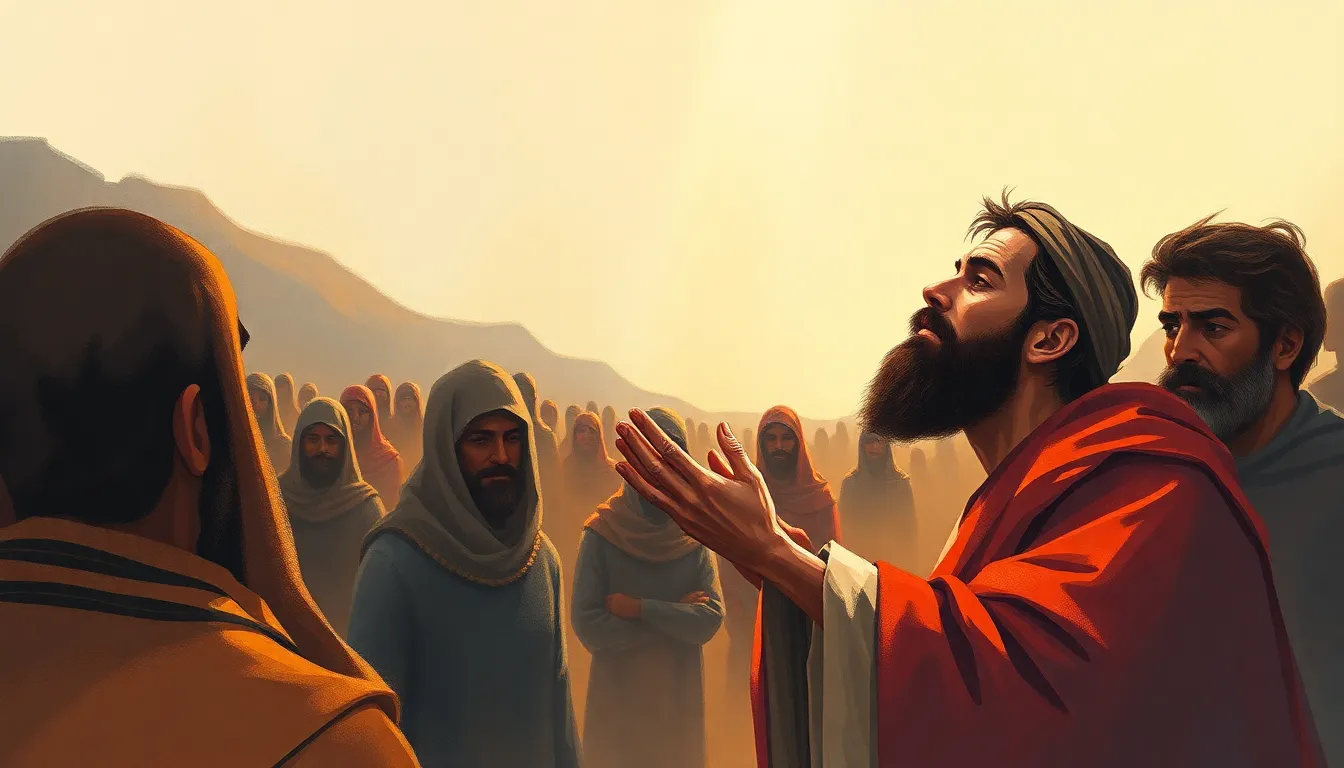
Portrait of Faith: Archbishop Peter Akinola — The Anglican Who Reshaped Global Christianity
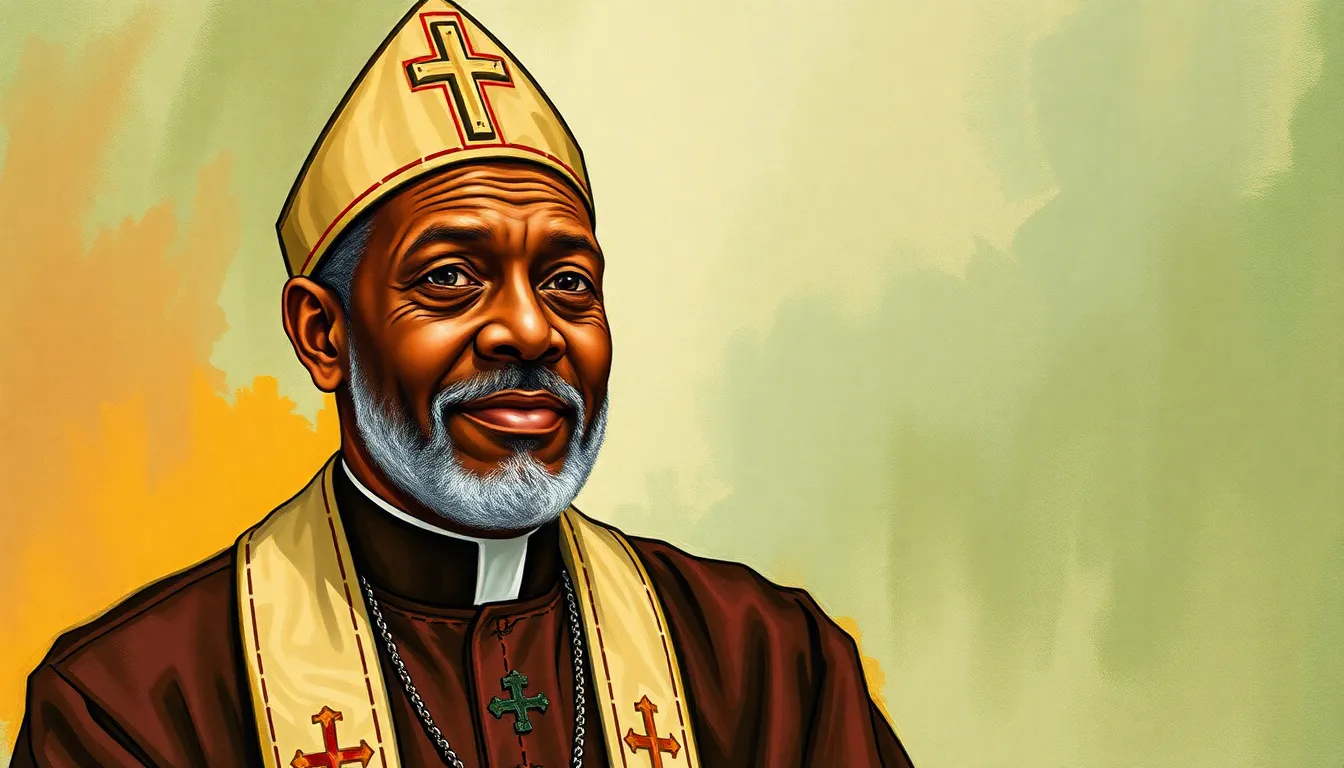
When the Anglican Communion fractured over human sexuality and the authority of Scripture, it was a Nigerian Archbishop who led the Global South's response — and in doing so, changed the shape of world Anglicanism forever.
Peter Jasper Akinola was born in 1944 in Abeokuta, the ancient Egba capital that had already given Nigerian Christianity so much — including Bishop Samuel Ajayi Crowther, the first African Anglican bishop. When Akinola became Archbishop of Abuja in 1997 and Primate of the Church of Nigeria (Anglican Communion) in 2000, he stepped into a tradition already dense with history. He would add considerably to it.
Formation and Calling
Akinola grew up in a Christian family in Abeokuta and was educated through Anglican institutions. He was ordained a deacon in 1966 and a priest in 1967. His early ministry was in parish work — the ordinary business of preaching, visiting, baptising, burying, and building up congregations in the Nigerian countryside. He served also as a missionary in the Sudan under the Church Missionary Society, an experience that gave him firsthand knowledge of Christian suffering under Islamic law.
He was consecrated Bishop of Abuja in 1989, and within a decade his administrative gifts and doctrinal clarity had made him one of the most influential figures in the Nigerian church. When he became Primate, he inherited a church of some 17 million members — the largest Anglican province in the world.
The Anglican Crisis and the Global South
Akinola's tenure as Primate coincided with the most severe internal crisis in Anglican history since the English Reformation. In 2003, the Episcopal Church USA consecrated its first openly gay bishop, Gene Robinson. The decision sent shockwaves through the communion, particularly among African and Asian provinces who viewed it as a capitulation to cultural pressure at the expense of biblical authority.
Akinola became the most prominent voice of dissent. He was not alone — archbishops from Uganda, Kenya, Rwanda, and across the Global South joined him — but he was the loudest, the sharpest, and the most willing to face the institutional consequences of his convictions. He called the action "satanic" and broke communion with the Episcopal Church and the Anglican Church of Canada. He invited conservative American Anglicans to place themselves under the oversight of Nigerian bishops — a radical act that further strained relations with Canterbury.
His position was controversial. Critics accused him of homophobia and of weaponising African Christianity for culture-war purposes. Supporters argued he was defending what he believed to be the clear teaching of Scripture and the historic consensus of the universal Church, against a Western revisionism that had no mandate in the global communion.
CANA and the Structural Realignment
CANA and the Structural Realignment
In 2005, Akinola established the Convocation of Anglicans in North America (CANA), a structure through which conservative American Anglicans could exist under Nigerian oversight. At its peak, CANA comprised dozens of congregations across the United States. It was eventually incorporated into the Anglican Church in North America (ACNA), a new province formed in 2009 — a direct structural consequence of the rupture that Akinola had helped to force.
Whatever one's view of the theology, the ecclesiological significance is undeniable: an African archbishop had reorganised Anglican churches in the United States. The direction of Christian influence — long assumed to flow from north to south, from the old mission-sending countries to Africa — had been reversed.
His Nigerian Ministry
It would be a mistake to reduce Akinola's legacy to the global Anglican controversy. Within Nigeria, his fifteen years as Primate saw extraordinary growth in the Church of Nigeria. He planted hundreds of new churches, expanded theological education, and navigated the Church's complex relationship with a Nigerian state increasingly pressed by Boko Haram violence in the north.
He was a strong voice on issues of religious freedom, speaking consistently against the persecution of Christians in northern Nigeria while also — to his credit — acknowledging the mutual responsibilities that Christians and Muslims bore toward each other as Nigerians.
Retirement and Reflection
Akinola retired as Primate in 2010, succeeded by Archbishop Nicholas Okoh. He has maintained a lower profile since, but has not been silent. He continues to preach, teach, and engage with the questions of biblical authority and cultural accommodation that shaped his public ministry.
His legacy is contested — genuinely so. Nigerian Christians who share his convictions regard him as a hero who held the line. Others, including many in the Western church, regard his methods as divisive. But few would dispute that he changed the Anglican Communion — and that in doing so, he demonstrated something the global church had not fully understood: that African Christianity had come of age, had a theology of its own, and was prepared to hold its ground.
"We did not receive the Gospel from Canterbury. We received it from Christ. And it is to Christ that we are accountable."
— Archbishop Peter Akinola
Ready to test your knowledge?
Put what you've read into practice with a Bible quiz — free for every believer.
Build a daily reading habit
Follow a structured plan through the whole Bible — track your progress, day by day.
El Shamarani
Gospel Genius Contributor
Gospel Genius is a Bible knowledge platform helping Christians grow deeper in Scripture through quizzes, daily devotions, reading plans, and study resources. Our contributors are believers passionate about making God's Word accessible to every person.
Learn more about Gospel Genius →