Portrait of Faith: Moses Orimolade — The Apostle of the Cherubim and Seraphim
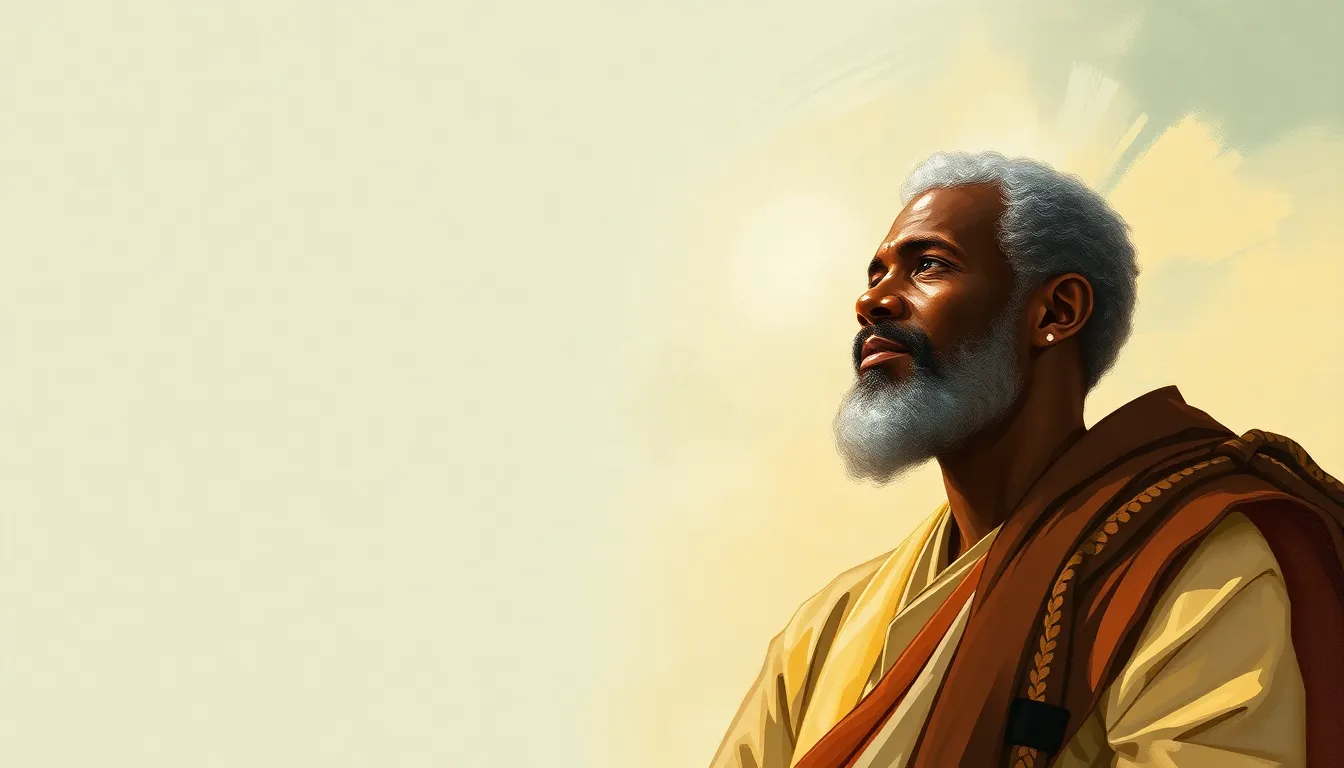
Baba Aladura. Prayer Father. The man who walked from Ijesha to Lagos on legs that barely carried him, and from whose prayers a movement was born that changed the face of African Christianity forever.
He walked with difficulty — his legs had troubled him since childhood, and he often leaned on a staff. But Moses Orimolade Tunolase walked across much of southwestern Nigeria on those imperfect legs, preaching and praying, and behind him came a movement that would reshape African Christianity: the Cherubim and Seraphim Society.
Early Life and the Call
Moses Orimolade was born around 1879 in Ikare-Akoko, in what is today Ondo State. The details of his early life are imprecise — he was not a man who kept careful records of himself. What is known is that he was from a Christian family, experienced severe illness as a young man, and during his illness underwent a profound spiritual transformation that he understood as a divine call to prayer and healing ministry.
For years before his ministry became visible, Orimolade was an itinerant figure — walking from town to town across Yorubaland, praying for the sick, fasting, spending long nights in prayer. He was eccentric by conventional standards. He was also, those who encountered him agreed, unmistakably holy.
The Encounter That Changed Everything
In 1925, in Lagos, Orimolade encountered a teenage girl named Abiodun Akinsowon — the young woman who would become his co-founder and, eventually, his successor. Abiodun had fallen into a trance during a Corpus Christi procession (she was from a Catholic family) and remained unconscious for several days. Medical attention brought no result. Orimolade was brought to pray for her. She recovered.
The two began to minister together, and around them gathered a circle of prayer. That circle became the Cherubim and Seraphim Society, officially founded in 1925. The name came from a vision — the heavenly host of angels surrounding the throne of God, whose prayer and intercession the young movement sought to imitate.
What Made the Cherubim and Seraphim Different
The Cherubim and Seraphim (C&S) was part of a broader movement in early twentieth-century Nigeria that historians call the Aladura (prayer) movement — indigenous churches that broke from mission Christianity to express African spirituality through an intensely biblical and charismatic lens.
What distinguished the C&S was its radical focus on prayer. Members were known for long night vigils — ẹkun alẹ — that combined extended intercession with Yoruba song, confession, spiritual gifts, and physical prostration before God. The white garments that became the C&S's most visible symbol were not mere uniformity: they expressed purity, consecration, and the desire to come before God without the pretensions of the world.
The movement was indigenous in a way the missionary churches were not: it sang in Yoruba, prayed in Yoruba, used drums and hand clapping in worship, addressed the spiritual warfare that Yoruba cosmology recognised as real, and made space for visions, prophecy, and divine healing. In doing so, it answered a question that Western mission Christianity had not asked: what does the Gospel sound like in Yoruba?
Baba Aladura
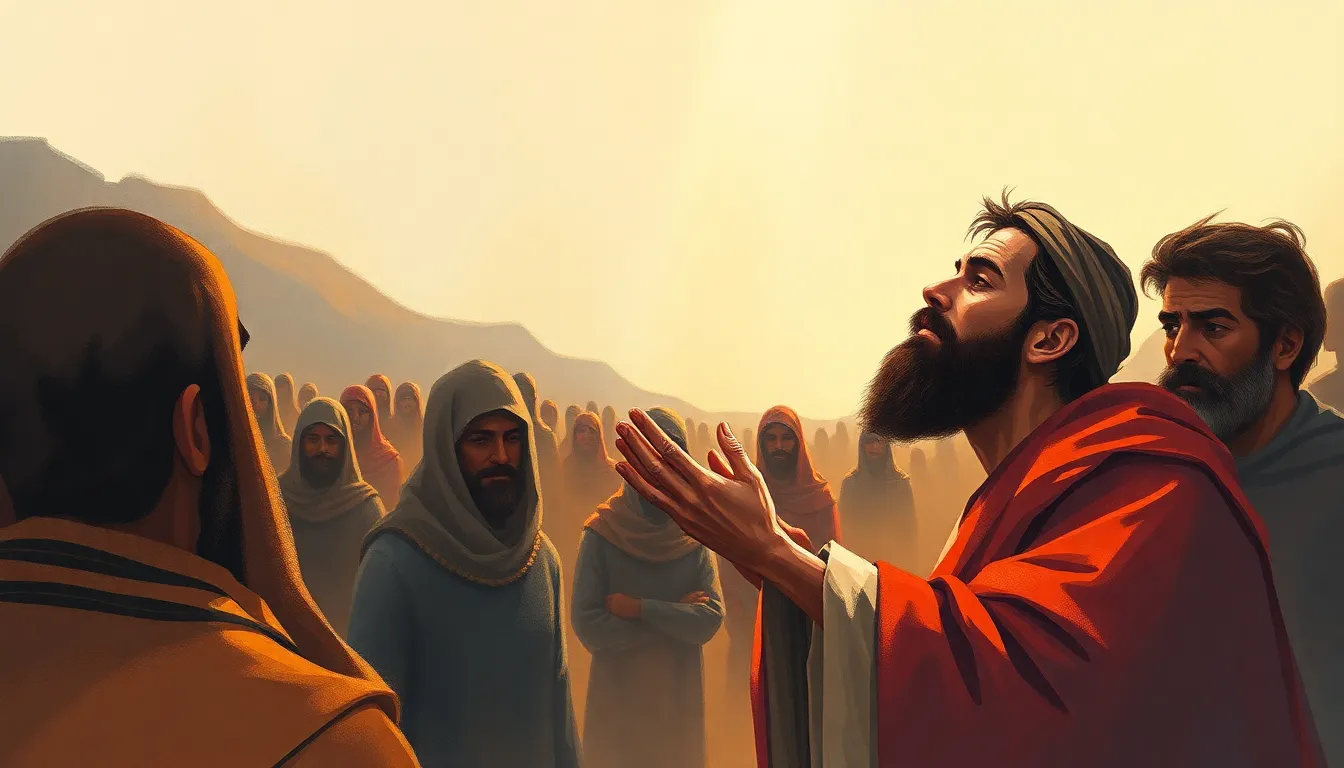
By the late 1920s, Orimolade was known across Lagos and beyond as Baba Aladura — the Father of Prayer. Crowds gathered wherever he prayed. The sick came to him. The anxious came to him. The bereaved came to him. He was not a preacher in the conventional sense — not verbose or systematic. He prayed. He fasted. He wept before God. And people who came broken sometimes went away whole.
There were tensions, inevitably. Colonial authorities regarded the white-garment movement with suspicion. Mainstream mission churches — Anglican, Methodist, Baptist — were ambivalent, some hostile. Orimolade himself never sought institutional recognition. He wanted to pray, and he wanted others to pray.
His Death and the Movement He Left
Moses Orimolade died on 19 October 1933, in Lagos. He was in his mid-fifties. His death prompted a genuine outpouring of grief. The movement he had co-founded, however, did not die. It splintered — as charismatic movements often do — but it also spread. Today there are dozens of C&S branches across Nigeria and the diaspora, all tracing their origins to the prayer circles that gathered around an old man with a staff and an unquenchable hunger for God.
The broader Aladura movement that Orimolade helped birth — which includes also the Church of the Lord (Aladura), the Celestial Church of Christ, and many other white-garment churches — represents one of the most significant forms of African Indigenous Christianity in the world. It is studied by scholars of religion from Oxford to Harvard as a model of inculturation: a genuine encounter between the Gospel and African spiritual culture that produced something neither Western nor simply traditional, but distinctly Christian and distinctly African.
A Witness to Remember
In the catalogue of Nigerian Christianity's heroes, Orimolade is sometimes overlooked — too eccentric for the mainstream, too early for the Pentecostal era. But his witness asks a question that every generation of Nigerian Christians must answer: what does it mean to pray? Not the performance of prayer. Not prayer as religious routine. Prayer as the actual, desperate, trusting cry of the creature to the Creator.
Baba Aladura never stopped asking that question. And in the asking, he changed a continent.
"Let your requests be made known to God. And the peace of God, which surpasses all understanding, will guard your hearts and your minds." — Philippians 4:6–7
Ready to test your knowledge?
Put what you've read into practice with a Bible quiz — free for every believer.
Build a daily reading habit
Follow a structured plan through the whole Bible — track your progress, day by day.
El Shamarani
Gospel Genius Contributor
Gospel Genius is a Bible knowledge platform helping Christians grow deeper in Scripture through quizzes, daily devotions, reading plans, and study resources. Our contributors are believers passionate about making God's Word accessible to every person.
Learn more about Gospel Genius →