Pentecostalism in Nigeria: From Flame to Global Force
Nigeria is home to some of the world's largest churches and most dynamic Pentecostal movements. How did it begin, where did it come from, and what does its future look like?
Before the Western Missionaries: Indigenous Roots
The popular narrative places the beginning of Nigerian Christianity entirely with European missionaries — Crowther, the CMS, the Wesleyan Methodists. And those contributions were real and significant. But the explosive growth of Pentecostal Christianity in Nigeria did not originate with Western Pentecostalism. It had indigenous roots that are often overlooked.
In the early 1910s, a series of revival movements swept through Yorubaland and Igboland that preceded any significant contact with the Azusa Street revival of 1906. Prayer movements, healing testimonies, and Spirit-focused worship were emerging from within African Christianity itself — shaped by African spirituality's existing emphasis on divine encounter, the unseen world, and communal worship.
The Aladura Movement
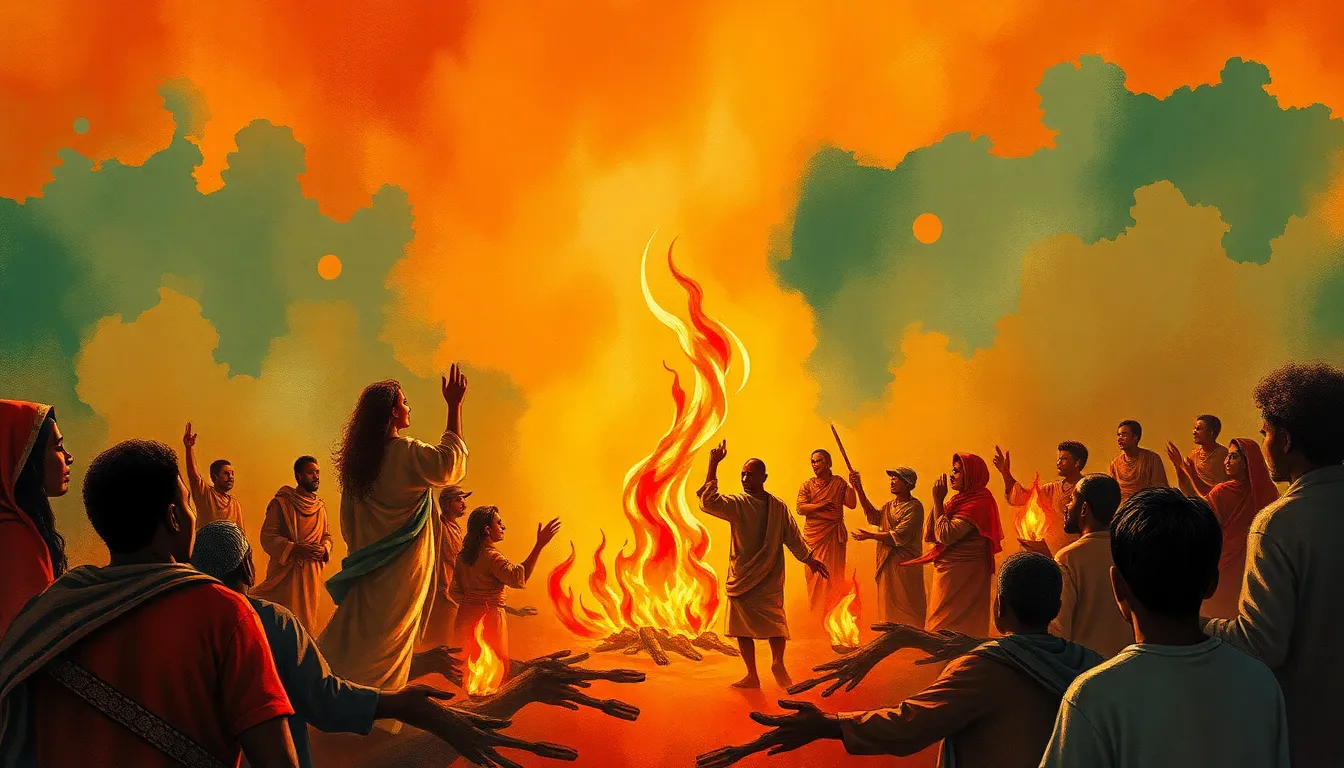
The Aladura (meaning "people of prayer" in Yoruba) churches emerged in the 1920s, sparked in part by a devastating influenza epidemic in 1918 that killed millions worldwide including many in Nigeria. When Western medicine and mainline Christian churches seemed unable to respond, a young Anglican, Joseph Babalola, began praying for the sick and seeing dramatic results.
The Aladura movement — including the Christ Apostolic Church, the Cherubim and Seraphim, and the Church of the Lord — emphasised healing prayer, prophetic gifts, dreams and visions, and a deeply African style of worship. They refused to see Christianity as inherently Western and created forms of Christian expression rooted in African cultural soil.
The University Revivals and the New Wave
The 1970s and 1980s brought a new wave of Pentecostalism connected to university campuses. The Scripture Union student fellowships, Christian Union groups, and interdenominational prayer movements produced a generation of young Christian leaders who would go on to found some of Nigeria's — and the world's — largest churches.
Kenneth Hagin's Word of Faith movement from America arrived in this period and influenced a generation of Nigerian preachers. Names like Benson Idahosa — the "father of Pentecostalism in Nigeria" — David Oyedepo, Enoch Adeboye, and Chris Oyakhilome emerged from this era and built movements that would eventually number in the hundreds of thousands of members per church.
Nigeria as a Missionary-Sending Nation
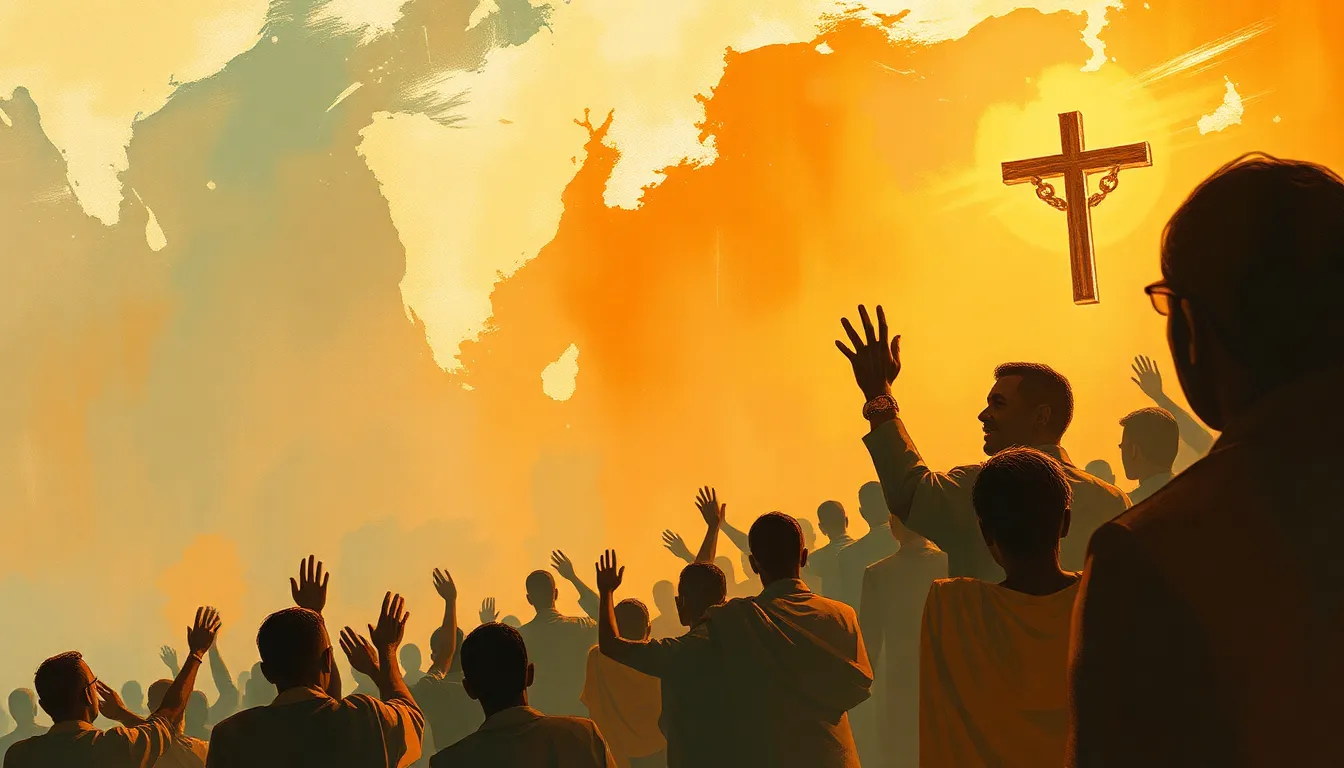
The most remarkable development of recent decades is that Nigeria has become one of the world's largest missionary-sending nations. Nigerian pastors and evangelists are planting churches in Europe, North America, Asia, and across Africa. The Redeemed Christian Church of God alone has churches in more than 190 countries.
The historic flow of Christianity — from the Global North to the Global South — has reversed. The church that was once a mission field has become a mission force. This is itself one of the most extraordinary stories in the history of Christianity: a people whose ancestors were subjected to centuries of exploitation and cultural disruption have become, in two centuries, bearers of the gospel to the world.
Ready to test your knowledge?
Put what you've read into practice with a Bible quiz — free for every believer.
Build a daily reading habit
Follow a structured plan through the whole Bible — track your progress, day by day.
El Shamarani
Gospel Genius Contributor
Gospel Genius is a Bible knowledge platform helping Christians grow deeper in Scripture through quizzes, daily devotions, reading plans, and study resources. Our contributors are believers passionate about making God's Word accessible to every person.
Learn more about Gospel Genius →