Nigeria's Pentecostal Movement: How the Holy Spirit Came to West Africa
By Gospel Genius Editorial Team
4 min read
992 views
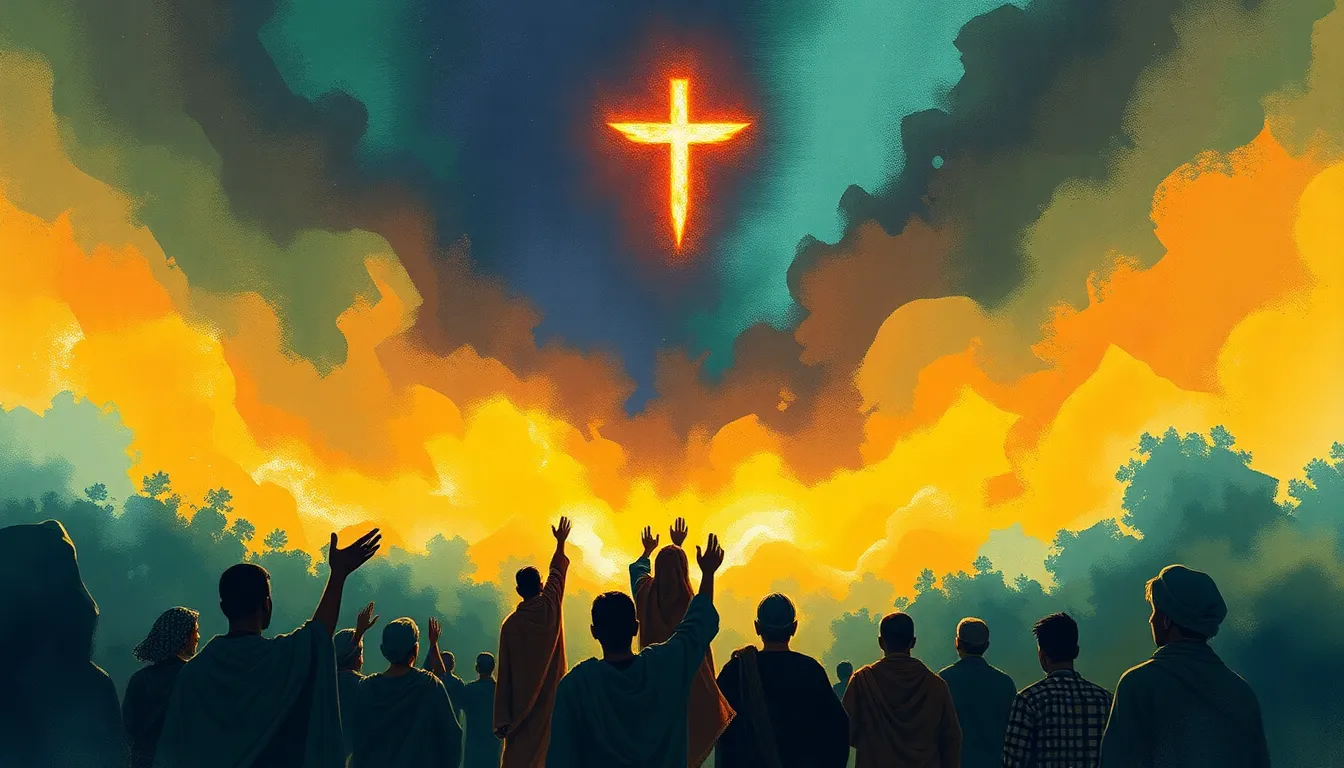
From the Aladura prayer groups of the 1910s to the megachurches of today, Nigeria's Pentecostal movement is one of the great stories of the global Church.
Africa is now home to the largest Christian communities on earth. The Redeemed Christian Church of God, based in Nigeria, fills more seats on a single night of worship than most Western nations have in regular church attendance for an entire year. The Church of Nigeria (Anglican Communion) has more active Anglicans than England, Canada, and the United States combined. This did not happen by accident. It happened through revival.
**The Seeds: Colonial Mission and Indigenous Response**
Christianity came to what is now Nigeria primarily through the efforts of the Church Missionary Society (CMS) in the nineteenth century, beginning with the founding of a mission at Badagry in 1842 and the historic return of Samuel Ajayi Crowther — an ex-slave who had been educated in Sierra Leone and England — to his homeland as the first African Anglican bishop. But the history of Christianity in Nigeria is not simply a story of Western mission. It is a story of African appropriation, transformation, and ownership.
By the early twentieth century, African Christians had already begun to ask uncomfortable questions: Why must our Christianity look so entirely like English Christianity? Why does the Spirit who moves in the Acts of the Apostles seem so constrained in our congregations?
**The Aladura Movement**
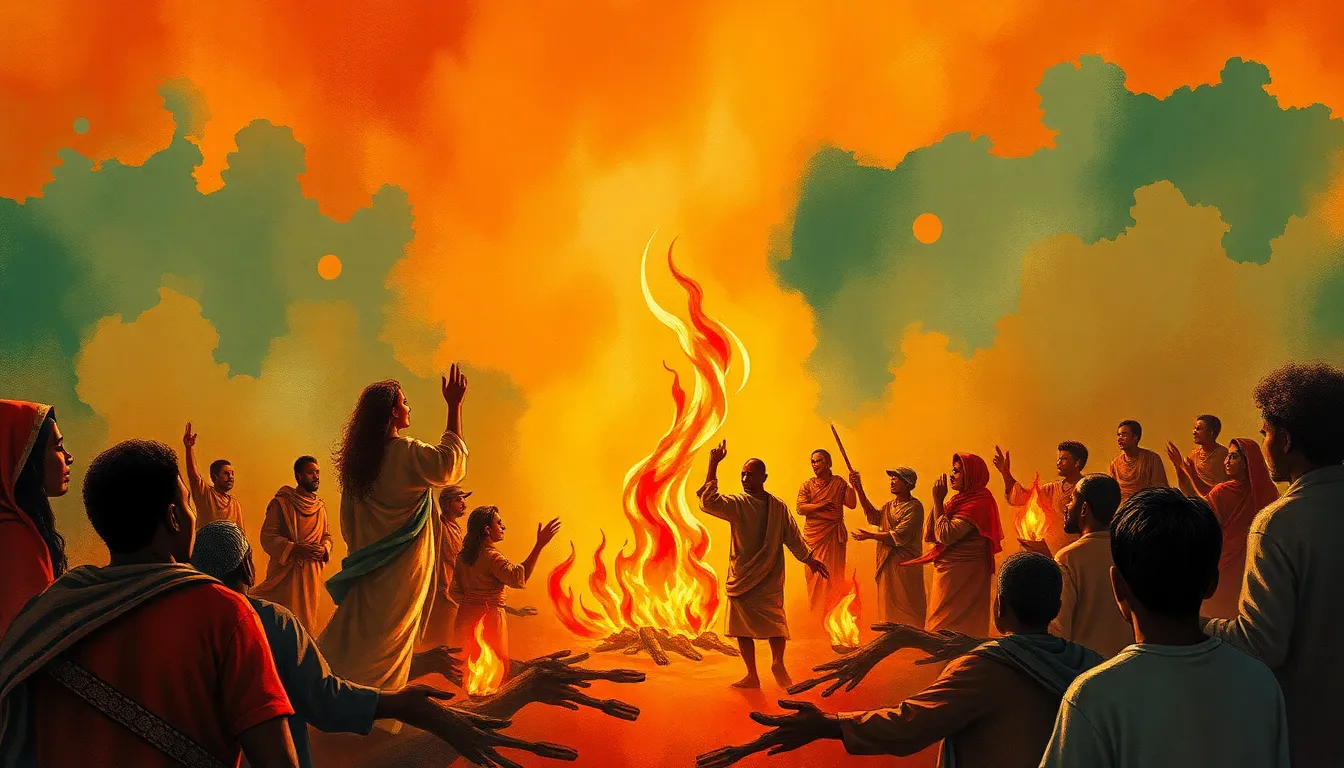
The answer came, in part, through the Aladura ("prayer people") movement, which arose in southwestern Nigeria in the 1910s and 1920s. The Faith Tabernacle and later the Christ Apostolic Church (CAC) emerged from this era, emphasising divine healing, prophetic prayer, and a more expressive, African-inflected form of worship. When the influenza pandemic of 1918 struck Nigeria and Western medicine had no answer, Aladura prayer groups reported remarkable healings — and their numbers swelled.
This was not the Azusa Street Pentecostalism of 1906 transplanted to Africa. It grew independently, from the soil of West African spirituality encountering the Living God revealed in Scripture. The emphasis on the power of the Holy Spirit, on prayer that expected results, on healing and prophecy — these were not American imports. They were African Christians reading the New Testament and saying: this is available to us too.
**The Post-Independence Explosion**
Nigerian independence in 1960 and the subsequent decades saw an explosion of both charismatic Catholicism and fully Pentecostal churches. The tragedy of the Biafran War (1967-1970) created a generation of Nigerians who had encountered the limits of human power and were hungry for divine intervention. Revival followed suffering, as it so often does in Church history.
In the 1970s and 1980s, campus fellowships — particularly the Scripture Union and NIFES (Nigeria Fellowship of Evangelical Students) — became extraordinary incubators of Christian leaders. Men and women who would later found some of Africa's largest ministries came to faith in university fellowship meetings, not in inherited denominational structures. The groundwork for the megachurch era was laid in dormitory prayer meetings.
**The Modern Era: RCCG, Winners Chapel, and Beyond**
The Redeemed Christian Church of God, founded in 1952 by Josiah Akindayomi, came under new leadership in 1980 when Enoch Adejare Adeboye took over. Under his leadership, RCCG grew from a small Lagos-based church into one of the largest Christian organisations on earth, with congregations in over 196 countries. The Redemption Camp on the Lagos-Ibadan Expressway holds annual Holy Ghost Services that draw millions of worshippers.
Living Faith Church Worldwide (Winners' Chapel), founded in 1983 by David Oyedepo, has a main auditorium in Ota, Ogun State — Faith Tabernacle — that was for many years the largest church auditorium on earth, with a capacity of over 50,000.
Mountain of Fire and Miracles Ministries (MFM), Deeper Christian Life Ministry, Daystar Christian Centre — the diversity within Nigerian Christianity is staggering, ranging from highly liturgical Anglican and Catholic traditions to Word-of-Faith Pentecostalism to Reformed evangelical congregations.
**What Does This Mean for the Global Church?**
Two things. First, the centre of gravity of global Christianity has moved South. The Christianity that is growing most rapidly is not European or North American — it is African, and much of it is Nigerian. Second, Nigerian Christianity raises questions that older traditions must wrestle with: What does it mean for the Holy Spirit to move in a culture? How do we hold together doctrinal precision and experiential vitality? How do we steward the blessing of numerical growth without losing the depth of discipleship?
Nigeria's Pentecostal movement is not perfect. No movement of the Spirit ever is — the New Testament churches themselves were full of problems, which is why Paul had to write thirteen letters. But what it demonstrates is that when Africans encountered the living God in Scripture and prayed with expectation, the God of the Bible showed up. That is a story worth knowing, and worth celebrating.
**The Seeds: Colonial Mission and Indigenous Response**
Christianity came to what is now Nigeria primarily through the efforts of the Church Missionary Society (CMS) in the nineteenth century, beginning with the founding of a mission at Badagry in 1842 and the historic return of Samuel Ajayi Crowther — an ex-slave who had been educated in Sierra Leone and England — to his homeland as the first African Anglican bishop. But the history of Christianity in Nigeria is not simply a story of Western mission. It is a story of African appropriation, transformation, and ownership.
By the early twentieth century, African Christians had already begun to ask uncomfortable questions: Why must our Christianity look so entirely like English Christianity? Why does the Spirit who moves in the Acts of the Apostles seem so constrained in our congregations?
**The Aladura Movement**
The answer came, in part, through the Aladura ("prayer people") movement, which arose in southwestern Nigeria in the 1910s and 1920s. The Faith Tabernacle and later the Christ Apostolic Church (CAC) emerged from this era, emphasising divine healing, prophetic prayer, and a more expressive, African-inflected form of worship. When the influenza pandemic of 1918 struck Nigeria and Western medicine had no answer, Aladura prayer groups reported remarkable healings — and their numbers swelled.
This was not the Azusa Street Pentecostalism of 1906 transplanted to Africa. It grew independently, from the soil of West African spirituality encountering the Living God revealed in Scripture. The emphasis on the power of the Holy Spirit, on prayer that expected results, on healing and prophecy — these were not American imports. They were African Christians reading the New Testament and saying: this is available to us too.
**The Post-Independence Explosion**
Nigerian independence in 1960 and the subsequent decades saw an explosion of both charismatic Catholicism and fully Pentecostal churches. The tragedy of the Biafran War (1967-1970) created a generation of Nigerians who had encountered the limits of human power and were hungry for divine intervention. Revival followed suffering, as it so often does in Church history.
In the 1970s and 1980s, campus fellowships — particularly the Scripture Union and NIFES (Nigeria Fellowship of Evangelical Students) — became extraordinary incubators of Christian leaders. Men and women who would later found some of Africa's largest ministries came to faith in university fellowship meetings, not in inherited denominational structures. The groundwork for the megachurch era was laid in dormitory prayer meetings.
**The Modern Era: RCCG, Winners Chapel, and Beyond**
The Redeemed Christian Church of God, founded in 1952 by Josiah Akindayomi, came under new leadership in 1980 when Enoch Adejare Adeboye took over. Under his leadership, RCCG grew from a small Lagos-based church into one of the largest Christian organisations on earth, with congregations in over 196 countries. The Redemption Camp on the Lagos-Ibadan Expressway holds annual Holy Ghost Services that draw millions of worshippers.
Living Faith Church Worldwide (Winners' Chapel), founded in 1983 by David Oyedepo, has a main auditorium in Ota, Ogun State — Faith Tabernacle — that was for many years the largest church auditorium on earth, with a capacity of over 50,000.
Mountain of Fire and Miracles Ministries (MFM), Deeper Christian Life Ministry, Daystar Christian Centre — the diversity within Nigerian Christianity is staggering, ranging from highly liturgical Anglican and Catholic traditions to Word-of-Faith Pentecostalism to Reformed evangelical congregations.
**What Does This Mean for the Global Church?**
Two things. First, the centre of gravity of global Christianity has moved South. The Christianity that is growing most rapidly is not European or North American — it is African, and much of it is Nigerian. Second, Nigerian Christianity raises questions that older traditions must wrestle with: What does it mean for the Holy Spirit to move in a culture? How do we hold together doctrinal precision and experiential vitality? How do we steward the blessing of numerical growth without losing the depth of discipleship?
Nigeria's Pentecostal movement is not perfect. No movement of the Spirit ever is — the New Testament churches themselves were full of problems, which is why Paul had to write thirteen letters. But what it demonstrates is that when Africans encountered the living God in Scripture and prayed with expectation, the God of the Bible showed up. That is a story worth knowing, and worth celebrating.
Ready to test your knowledge?
Put what you've read into practice with a Bible quiz — free for every believer.
Build a daily reading habit
Follow a structured plan through the whole Bible — track your progress, day by day.
Tags:
Nigeria
Pentecostal
church history
West Africa
RCCG
revival
Holy Spirit
G
Gospel Genius Editorial Team
Gospel Genius Contributor
Gospel Genius is a Bible knowledge platform helping Christians grow deeper in Scripture through quizzes, daily devotions, reading plans, and study resources. Our contributors are believers passionate about making God's Word accessible to every person.
Learn more about Gospel Genius →