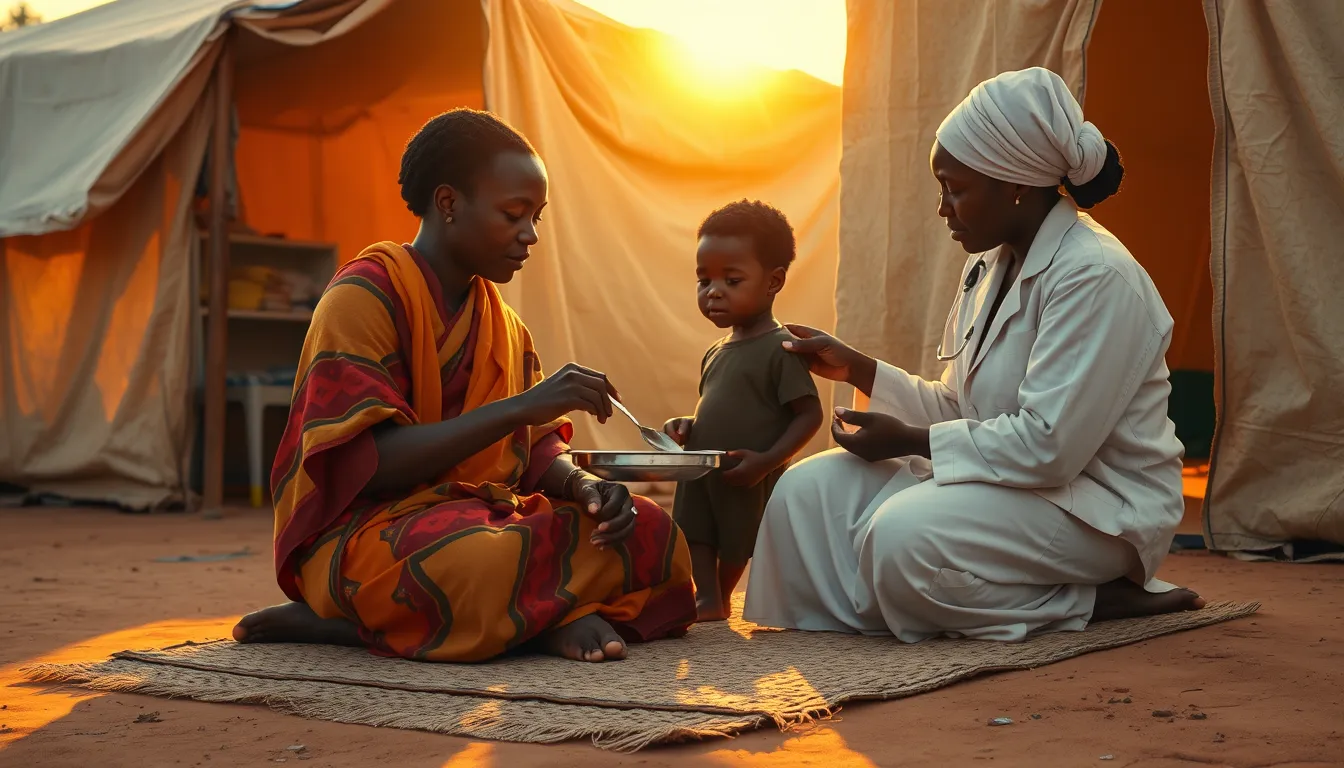
God Is Near the Brokenhearted: Grieving With Northeastern Nigeria

After reports of at least 62 killed in a northeastern Nigerian community, Scripture shows us a God who draws near, and a Church called to weep, pray and help.
The Washington Post reports that at least 62 people have been killed in an attack on a community in northeastern Nigeria. Behind that number are real people, each one known by name to God and loved by Him. Today we pause, not to argue or to panic, but to grieve and to pray.
When the News Is Heavy
Many of us scroll past painful headlines because our hearts cannot carry more. Others feel anger, fear or numbness. All of these reactions are human, and none of them surprises God. The Bible never asks us to pretend that grief is small. It gives us permission to mourn, and it points us to the One who meets us in sorrow.
God Draws Near to the Brokenhearted
For families and neighbours who are reeling, the first truth to hold is that they are not alone. Scripture says:
The LORD is nigh unto them that are of a broken heart; and saveth such as be of a contrite spirit. (Psalm 34:18 KJV)
Notice the word nigh. God does not stand at a distance from broken hearts. He comes close. The psalmist says elsewhere that He "healeth the broken in heart, and bindeth up their wounds" (Psalm 147:3 KJV). Healing may be slow, but the Healer is already present in the room where people are weeping.
Jesus Himself spoke tenderly about mourning:
Blessed are they that mourn: for they shall be comforted. (Matthew 5:4 KJV)
This is not a shallow promise that pain will vanish quickly. It is the assurance that those who mourn will not be abandoned. The God of all comfort stays with them, and one day He will wipe away every tear.
Weeping With Those Who Weep
The Bible also gives the rest of us a calling. Paul writes:
Rejoice with them that do rejoice, and weep with them that weep. (Romans 12:15 KJV)
To weep with others is a spiritual act. It means refusing to treat distant suffering as someone else's problem. Even if we have never visited this part of Nigeria, we belong to the same body of Christ, and where one part suffers, we all feel it. Let us resist the urge to rush to explanations or to say careless words. Sometimes the most Christlike response is quiet sorrow and a willingness to stay with the hurting.
Trusting God as Defender of the Innocent
When innocent people are killed, hearts naturally cry out, "Where is God?" The Psalms give us honest words for that cry. Psalm 10 speaks of the afflicted and the helpless, and then declares:
LORD, thou hast heard the desire of the humble: thou wilt prepare their heart, thou wilt cause thine ear to hear: To judge the fatherless and the oppressed, that the man of earth may no more oppress. (Psalm 10:17-18 KJV)
Here is a God who hears, who strengthens the humble, and who will judge with perfect justice. We do not need to carry the burden of settling every account. We entrust it to the Judge of all the earth, who sees what no report can capture. This trust does not make us passive. It frees us to pray with hope and to serve with a clear conscience.
How Nigerian Believers Can Respond
Pray specifically and faithfully
Pray for the bereaved, for those who survive, and for children and elders who are afraid. Pray for peace to return and for protection over every community that feels unsafe. Pray also for those responsible for keeping people safe, that they will act with wisdom and integrity. Paul urges us to pray "for all men" so that people may live "a quiet and peaceable life" (1 Timothy 2:1-2 KJV).
Bear one another's burdens
Paul writes, "Bear ye one another's burdens, and so fulfil the law of Christ" (Galatians 6:2 KJV). Practical love matters. Where trusted churches, ministries and relief organisations are helping survivors, consider giving, even a small amount, or offering your time and skills. James reminds us that faith must be seen in deeds: it is not enough to say "be ye warmed and filled" without meeting real needs (James 2:15-16 KJV).
Guard our hearts and our words
In painful times, rumours and bitterness spread quickly. Let us share only what is verified, avoid words that stir up hatred, and refuse to blame whole groups of people. Micah tells us what the Lord requires: "to do justly, and to love mercy, and to walk humbly with thy God" (Micah 6:8 KJV). We can ask for justice and peace while keeping hearts that are soft toward every neighbour.
Look after your own soul
If this news has left you weary or afraid, bring that to God honestly. Talk with a pastor or a trusted friend. Grief shared is easier to carry, and the Lord has not asked you to bear it alone.
A Hope That Does Not Fade
The Christian faith does not look away from evil, and it does not end in despair. We worship a Saviour who suffered, who knows the pain of violence, and who rose again. Because He lives, death does not have the final word, and sorrow will not last forever. Until that day, we mourn, we pray, and we love in His name.
A Prayer
Father, we bring before You the families and the community mourning in northeastern Nigeria. Be near to every broken heart, comfort those who weep, and surround the survivors with Your peace and protection. Raise up kind hands to help them, and let justice and peace return to the land. Keep our own hearts tender, make us faithful in prayer and generous in love, and help us to trust You as the defender of the innocent. In Jesus' name we pray, Amen.
Quick quiz · God's comfort for the brokenhearted
How well do you know God's comfort for the brokenhearted?
5 quick questions on what you just read. Free, no account needed.
Play 10 questions on Poetry & Wisdom →Build a daily reading habit. Follow a plan through the whole Bible, day by day.
Choose a plan →Gospel Genius Editorial Team
Gospel Genius Contributor
Gospel Genius is a Bible knowledge platform helping Christians grow deeper in Scripture through quizzes, daily devotions, reading plans, and study resources. Our contributors are believers passionate about making God's Word accessible to every person.
Learn more about Gospel Genius →