When Millions Are Displaced: Remembering the Suffering Church

A global report warns that over 3.5 million are displaced as persecution worsens in Nigeria. Here is how Scripture calls us to pray, give, and hope.
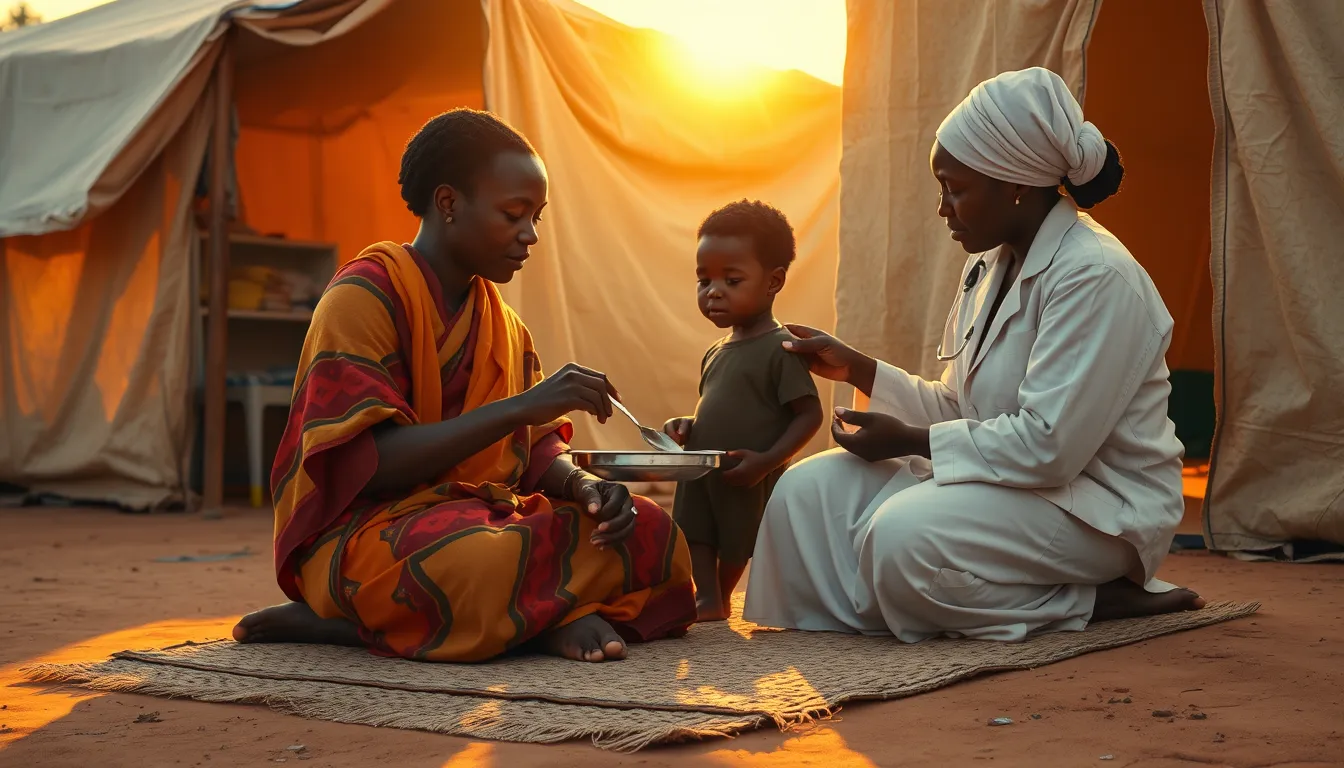
A global report warns that over 3.5 million people have been displaced as Christian persecution worsens in Nigeria. It is a number too big for the mind to hold, yet every single one of them is a person God knows by name, and Scripture tells us exactly where He stands in the middle of such pain.
God Is Near to the Brokenhearted
When we hear numbers like this, the first temptation is to feel helpless. The second is to go numb. But the Bible invites us to do something different: to look at where God Himself is found.
The LORD is nigh unto them that are of a broken heart; and saveth such as be of a contrite spirit. (Psalm 34:18 KJV)
Notice the word nigh. God is not watching from a distance. For the mother who has left her home with only what she could carry, for the father who does not know where the next meal will come from, for the child sleeping in a strange place, the Lord is near. His nearness does not always remove the pain at once, but it means no one suffers alone. If that is where God is found, then that is where His people must be found also.
Remember Them That Are in Bonds
The writer of Hebrews gives the Church a clear instruction that fits this moment:
Remember them that are in bonds, as bound with them; and them which suffer adversity, as being yourselves also in the body. (Hebrews 13:3 KJV)
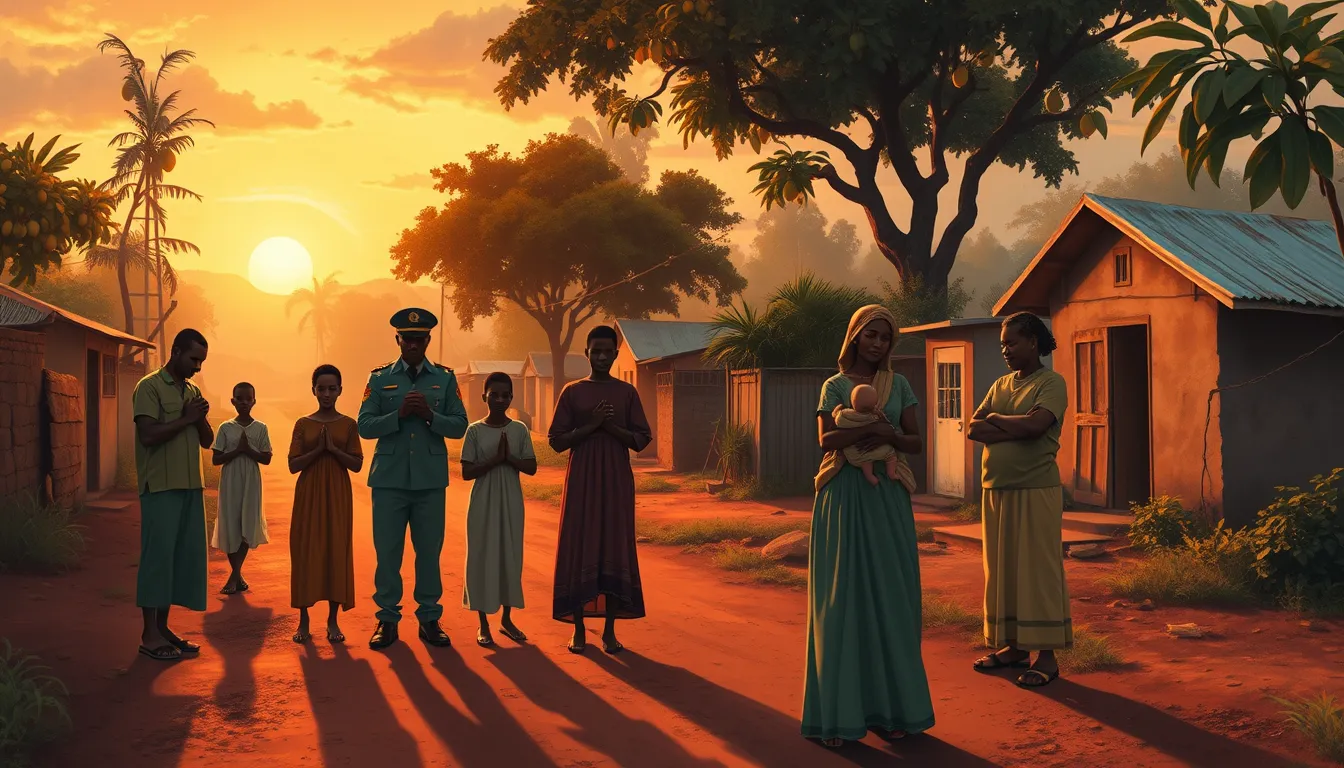
To remember is more than to recall a headline. It means to carry someone in your heart as if you were standing in their shoes. The phrase as being yourselves also in the body reminds us that the Church is one family. When one part of the body is wounded, the whole body aches. A believer in Lagos, Abuja, Port Harcourt or Enugu is not a spectator to the suffering of a believer who has been driven from home. They are family.
Nigerians understand family obligation better than most. We know what it means to make room, to share a pot of soup, to pay a relative's fees. Let that same instinct shape how we respond to displaced brothers and sisters, and to displaced neighbours of every background who are also in need.
Blessed, Yet Not Pretending It Is Easy
Jesus spoke plainly about the cost of following Him:
Blessed are they which are persecuted for righteousness' sake: for theirs is the kingdom of heaven. Blessed are ye, when men shall revile you, and persecute you, and shall say all manner of evil against you falsely, for my sake. Rejoice, and be exceeding glad: for great is your reward in heaven: for so persecuted they the prophets which were before you. (Matthew 5:10-12 KJV)
We must be gentle with these words. Jesus is not saying that suffering is pleasant, or that we should tell grieving people to simply smile. He is saying that those who suffer for His sake are not forgotten, and that their loss is not the end of their story. The kingdom of heaven belongs to them. The Church in Africa has grown through seasons of hardship, and the same Lord who walked with the prophets walks with His people today.
For those of us who are comfortable, these verses are not a licence to quote them at people in pain. They are a reminder that the suffering Church carries a dignity and a hope the world cannot take away.
Love Without Bitterness
Perhaps the hardest command comes next. When people are hurt, anger rises easily. Yet Christ says:
But I say unto you, Love your enemies, bless them that curse you, do good to them that hate you, and pray for them which despitefully use you, and persecute you. (Matthew 5:44 KJV)
Loving enemies does not mean pretending evil is not evil, or giving up the cry for justice and safety. Scripture is full of calls for righteousness. It means refusing to let hatred take root in our hearts. Paul puts it this way: Be not overcome of evil, but overcome evil with good (Romans 12:21 KJV). Bitterness would hand the enemy a second victory, but love keeps our witness clean.
What Can We Do This Week?
First, pray by name and by place. Set a daily reminder to intercede for the displaced, for those who shelter them, and for leaders who can protect the vulnerable. Second, give practically. Support credible churches, ministries and relief efforts that serve displaced families with food, shelter, medicine and school fees. Third, welcome and listen. If someone in your church or community has been displaced, sit with them before you speak. Fourth, guard your own heart, asking God to keep you from hatred as you pray for peace.
The night may feel long for millions of our countrymen, but the Shepherd has not left His flock. Let us stay close to the brokenhearted, because that is where the Lord is.
A Prayer
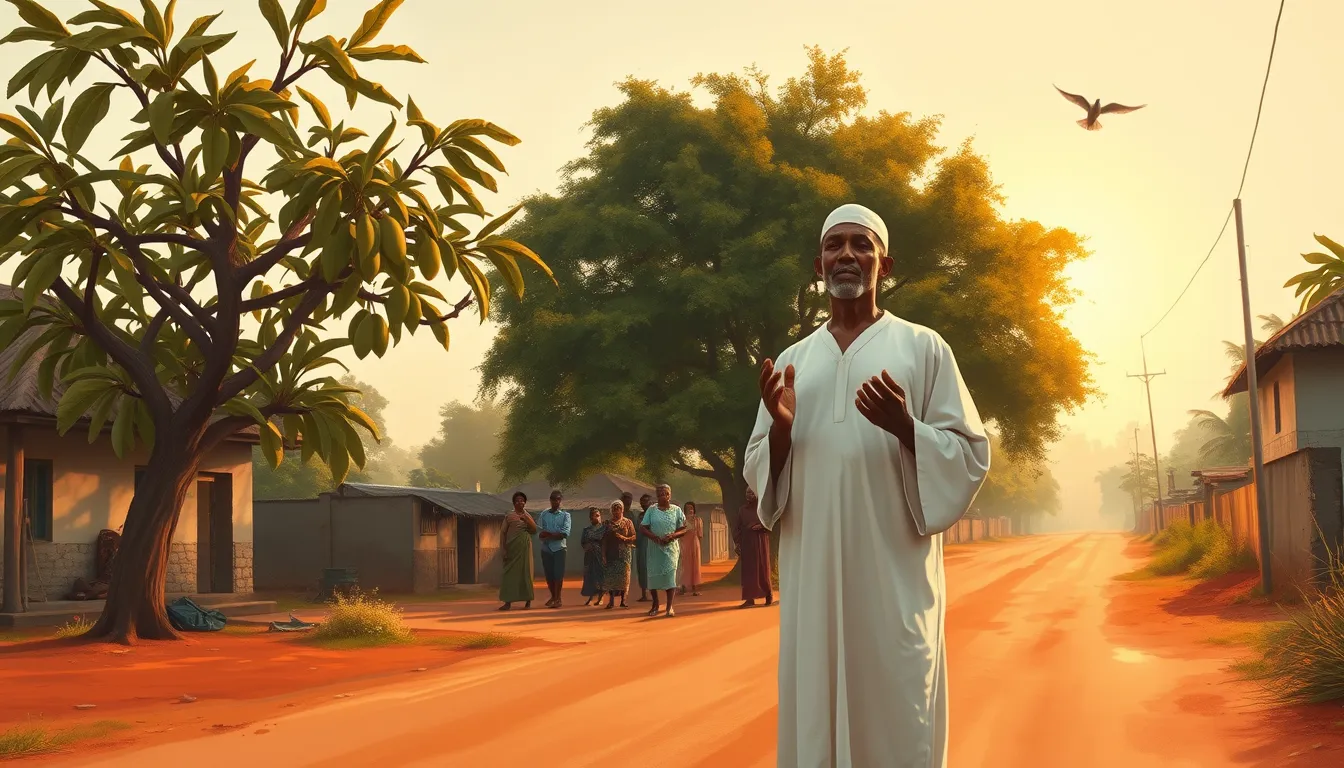
Lord Jesus, You are near to the brokenhearted, and we ask You to draw close to every displaced family in Nigeria tonight. Provide shelter, food, healing and comfort where we cannot reach. Strengthen those who suffer for Your name, and keep their hope alive. Protect us from numbness and bitterness, and teach us to love as You love. Let Your peace and justice come to our land. Amen.
Quick quiz · God's care for the suffering Church
How well do you know God's care for the suffering Church?
5 quick questions on what you just read. Free, no account needed.
Play 10 questions on Acts & Epistles →Build a daily reading habit. Follow a plan through the whole Bible, day by day.
Choose a plan →Gospel Genius Editorial Team
Gospel Genius Contributor
Gospel Genius is a Bible knowledge platform helping Christians grow deeper in Scripture through quizzes, daily devotions, reading plans, and study resources. Our contributors are believers passionate about making God's Word accessible to every person.
Learn more about Gospel Genius →