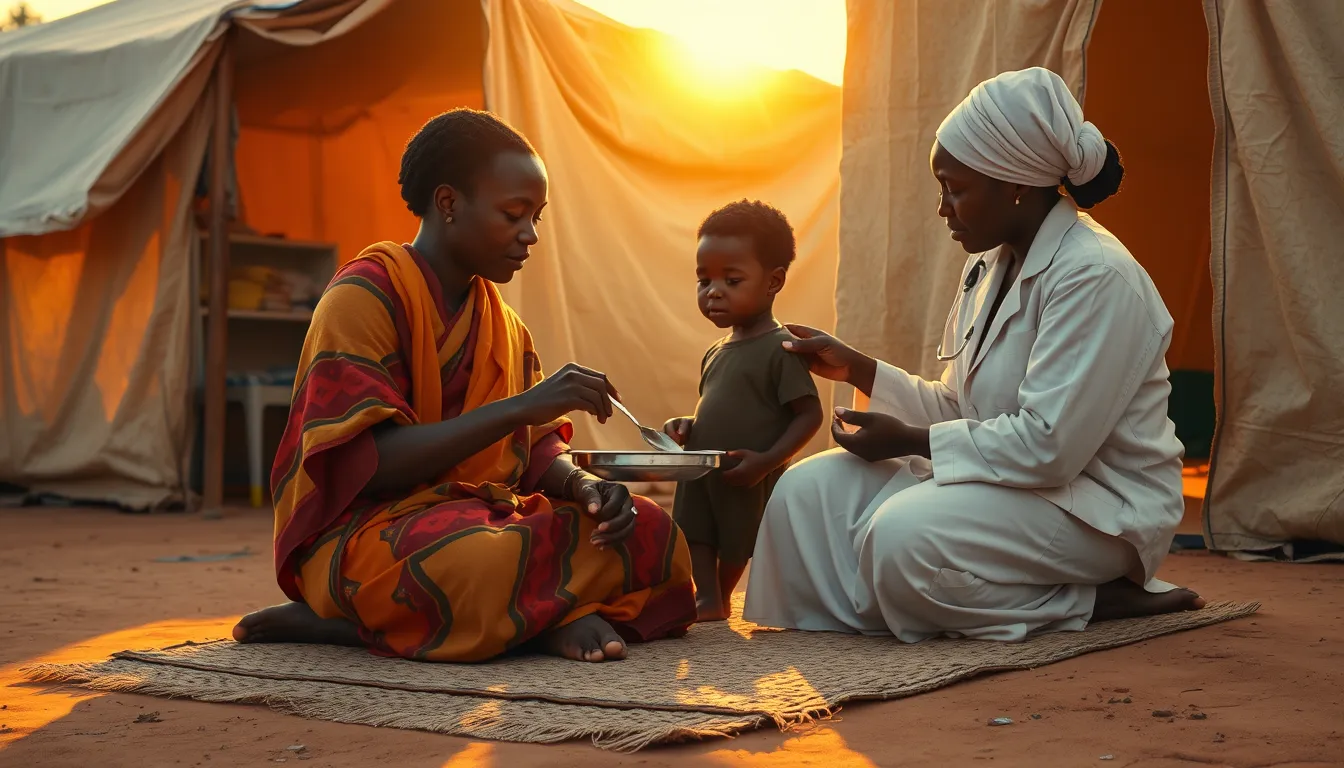
Blessed Are the Peacemakers: Mourning a Cleric Who Urged Peace

A Muslim cleric who urged peace with Christians has been shot dead in Nigeria, reports say. How should believers respond? With grief, prayer and a refusal to repay evil.
Premier Christian News reports that a Muslim cleric who urged peace with Christians has been shot dead in Nigeria. It is the kind of headline that makes us stop, sigh and bow our heads. Before anything else, we mourn. A human being made in the image of God has died, and a family is grieving.
Start With Grief, Not Noise
When painful news breaks, our phones fill quickly with opinions, forwarded messages and anger. Scripture invites us to slow down. Romans 12:15 (KJV) says, "Rejoice with them that do rejoice, and weep with them that weep." Before we argue or explain, we are called to weep with those who weep.
Every life is precious to God. The cleric's family, friends and community are now walking through a valley of loss. The Bible promises that God is near to such people:
He healeth the broken in heart, and bindeth up their wounds. — Psalm 147:3 (KJV)
We can pray this verse over the bereaved today, whatever their faith. God sees every tear, and He does not despise a grieving heart.
What Jesus Says About Peacemakers
The suggested heart of this reflection is a simple one: peace is worth pursuing, even when pursuing it is costly. Jesus said:
Blessed are the peacemakers: for they shall be called the children of God. — Matthew 5:9 (KJV)
Notice that Jesus does not say blessed are the peace-lovers, or those who merely wish for peace. He says peacemakers, people who do the work of building bridges, speaking gently and choosing understanding over suspicion. Peacemaking is rarely glamorous. It often means speaking calmly when others are shouting.
As Christians, we honour every sincere call for peace, because peace echoes the heart of our Lord, who is called the Prince of Peace. When anyone in our nation speaks up for peaceful living between neighbours, we should be grateful, not cynical.
Living Peaceably, As Far As It Depends on Us
Paul writes with great realism about the limits of our power:
If it be possible, as much as lieth in you, live peaceably with all men. — Romans 12:18 (KJV)
Paul knows that peace is not always possible, because it takes two sides. But he insists we do our part. "As much as lieth in you" means that our responsibility is our own conduct: our words, our attitudes, our posts and our prayers. We cannot control what others do, but we can decide what kind of people we will be.
This matters in Nigeria, where Christians and Muslims live side by side in the same streets, markets, offices and even families. Many ordinary neighbours share meals, celebrate each other's joys and help each other in hard times. That daily goodwill is worth guarding.
Refuse the Path of Retaliation
It is natural to feel anger when we hear of violence. But Scripture gives clear guidance on what to do with that anger. Just a few verses after the call to peace, Paul writes:
Be not overcome of evil, but overcome evil with good. — Romans 12:21 (KJV)
Retaliation never overcomes evil; it only multiplies it. Spreading rumours, repeating unverified claims or speaking of whole groups of people as enemies may feel like justice, but it does not honour Christ. Let us not add fuel to any fire. Instead, let us be careful with what we share, and let our words be gentle. Proverbs 15:1 (KJV) reminds us, "A soft answer turneth away wrath: but grievous words stir up anger."
Justice still matters to God. Micah 6:8 (KJV) says, "He hath shewed thee, O man, what is good; and what doth the LORD require of thee, but to do justly, and to love mercy, and to walk humbly with thy God?" We can pray that the right processes of justice are followed, calmly and fairly, while we ourselves choose mercy and humility.
Seek Peace and Pursue It
The psalmist gives us a two-part instruction:
Depart from evil, and do good; seek peace, and pursue it. — Psalm 34:14 (KJV)
To seek is to look for peace. To pursue is to chase it, even when it seems to run from us. Here are a few practical ways Nigerian believers can do that this week:
- Pray by name for the family of the cleric, and for comfort in their grief.
- Pray for all who work for peace in our communities, whatever their faith.
- Greet a neighbour of another faith kindly, and let your friendship be a quiet witness.
- Pause before sharing any message that could stir up fear or hatred.
- Ask God to remove any bitterness from your own heart.
Hope in a God Who Sees
We do not understand everything, and we do not need to. What we know is that God is just, compassionate and sovereign. He is not surprised by any headline, and He has not abandoned Nigeria. Our calling is to trust Him, keep doing good and hold on to hope that peace is possible.
A Prayer
Lord God, comfort the family and loved ones of the cleric who has died, and draw near to all who mourn. Heal the broken-hearted and bind up their wounds. Make us peacemakers in our homes, our churches and our communities, and keep us from the path of revenge and harsh words. Give our nation justice, safety and lasting peace. In the name of Jesus, the Prince of Peace, we pray. Amen.
Quick quiz · Bible teaching on peacemaking
How well do you know Bible teaching on peacemaking?
5 quick questions on what you just read. Free, no account needed.
Play 10 questions on Acts & Epistles →Build a daily reading habit. Follow a plan through the whole Bible, day by day.
Choose a plan →Gospel Genius Editorial Team
Gospel Genius Contributor
Gospel Genius is a Bible knowledge platform helping Christians grow deeper in Scripture through quizzes, daily devotions, reading plans, and study resources. Our contributors are believers passionate about making God's Word accessible to every person.
Learn more about Gospel Genius →