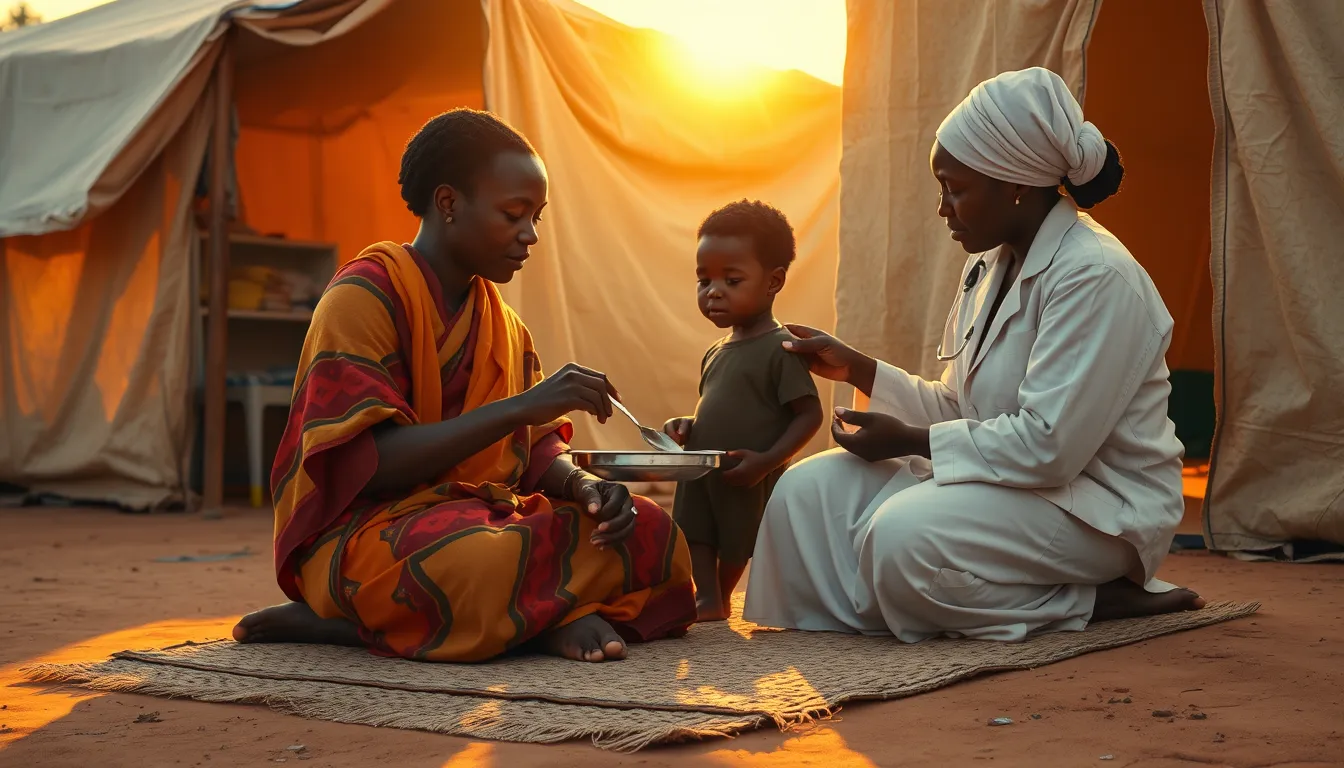
64,000 Nigerians Have Fled: How Believers Can Respond
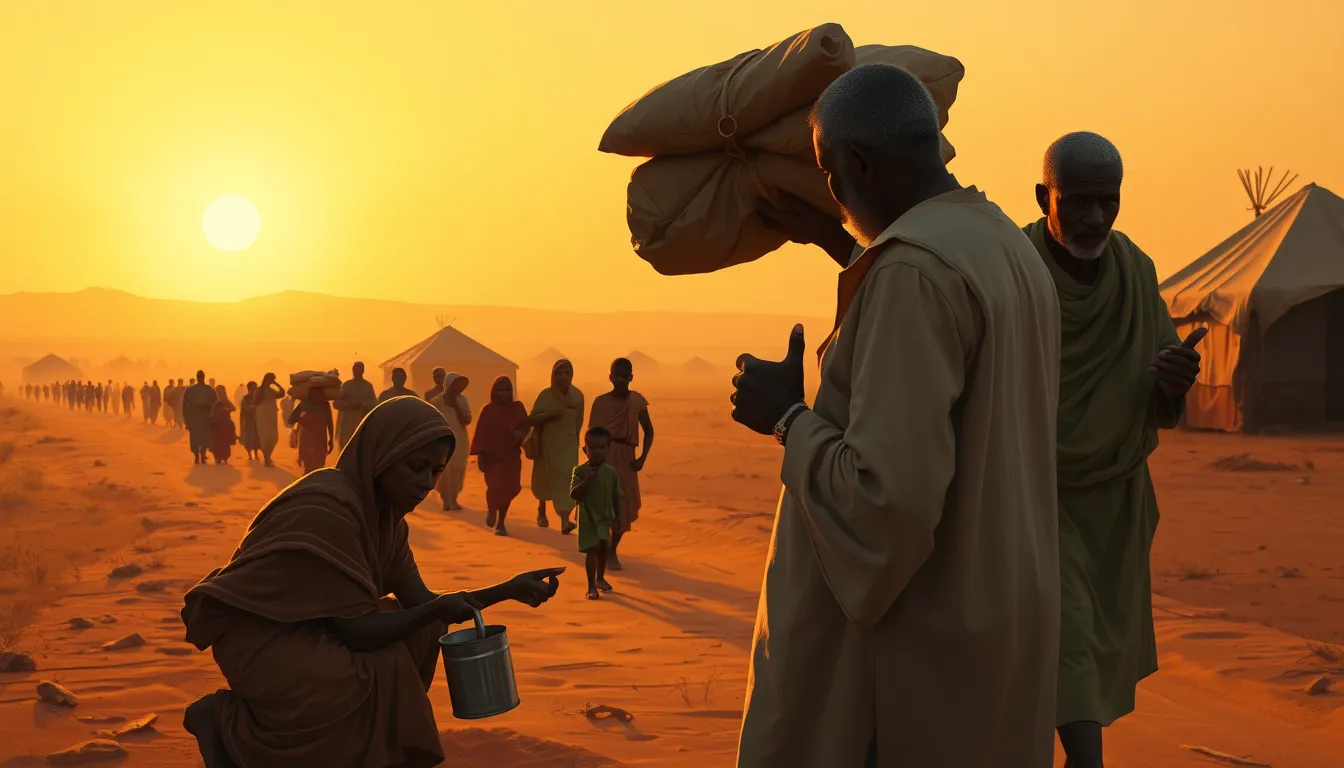
Truth Nigeria reports 64,000 Nigerians have fled to Niger Republic. What does Scripture ask of us when so many are displaced? We can pray, give and stand with them.
Truth Nigeria reports that 64,000 Nigerians have fled to Niger Republic as violence fuels a regional refugee crisis. It is a heavy headline. It calls for a prayerful, tender-hearted response, not a quick scroll past.
Behind the Number, a Name
It is easy to read a figure like 64,000 and feel very little, because the number is too big to picture. But God does not see people as statistics. Jesus told His disciples:
"But even the very hairs of your head are all numbered. Fear not therefore: ye are of more value than many sparrows." (Luke 12:7 KJV)
Every person counted in that headline is known by name to the Father. Each one is precious to Him, and each one is worth our attention and our prayers.
Our first task as believers is to let the news reach our hearts. Scripture gives us a simple instruction:
"Rejoice with them that do rejoice, and weep with them that weep." (Romans 12:15 KJV)
Before we debate or analyse, we are allowed to grieve. Compassion is where obedience begins.
God Is a Refuge for the Afflicted
When people leave everything familiar behind, the question rises quietly in the heart: where is God in this? The psalmist answers:
"God is our refuge and strength, a very present help in trouble." (Psalm 46:1 KJV)
This verse does not pretend that trouble is small or unreal. It says that God is present inside the trouble. He is not far off or unaware. For anyone on the road, in unfamiliar surroundings, or waiting for news of loved ones, He is a refuge that cannot be closed or crossed by any border.
The Psalms also tell us where God's heart leans:
"The LORD preserveth the strangers; he relieveth the fatherless and widow." (Psalm 146:9 KJV)
The God we worship watches over the stranger and the one far from home. When we pray for the displaced, we are not pleading with a reluctant God. We are joining what He is already doing.
Love the Stranger as Yourself
God gave His people a clear command about those who find themselves in a foreign land:
"But the stranger that dwelleth with you shall be unto you as one born among you, and thou shalt love him as thyself; for ye were strangers in the land of Egypt: I am the LORD your God." (Leviticus 19:34 KJV)
The command rests on memory. Israel was told to remember what it feels like to be vulnerable and far from home, and to let that memory soften their hands. Jesus carried the same thought into the heart of the gospel:
"For I was an hungred, and ye gave me meat: I was thirsty, and ye gave me drink: I was a stranger, and ye took me in: Naked, and ye clothed me: I was sick, and ye visited me." (Matthew 25:35-36 KJV)
Christ so closely identifies with the hungry, the stranger and the displaced that He says what is done for them is done for Him. That is a sober and beautiful thought. Our care for people who have fled is not charity on the side of our faith. It is worship.
What We Can Do
Pray with specific words
Pray for safety and for food, clean water and shelter. Pray for those who are sick, anxious or separated from loved ones. Pray for the people and communities receiving them, that generosity and patience would grow. Pray also for peace, that violence would give way to lasting security.
Give wisely and generously
Paul wrote, "Bear ye one another's burdens, and so fulfil the law of Christ" (Galatians 6:2 KJV). Ask your church or fellowship whether it can give through a trusted humanitarian or relief organisation, and give with care. Even small, regular gifts from many hands can add up to real help. Where it is possible, offer your time, your skills or your voice as well.
Speak with care
In moments like this, rumours and anger spread quickly. Let us not turn grief into blame, and let us not share claims we cannot verify. Justice matters deeply to God, and we may ask Him for it, but this season calls first for mercy. Let your words about suffering people be gentle, honest and full of hope.
Keep the door open
Ask the Lord whether there is a way for you to stand with those displaced, near or far. It may be a donation, a prayer group, a message of encouragement or a conversation that raises awareness. God often answers prayers for the afflicted by sending His people.
Our Hope Is Not in the Headlines
News cycles change, but God does not. He remains sovereign over nations, borders and seasons, and He has promised never to leave or forsake His children. We hold that hope steadily, not to excuse ourselves from action but to keep us faithful in it. The God who is a refuge for the afflicted is also calling His church to be a shelter, in prayer, in giving and in love.
A Prayer
Father, we lift up the tens of thousands of Nigerians who have fled their homes. Be their refuge and strength, and meet them with food, safety, comfort and hope. Bless every person and community that opens a door to them, and bring peace where there is violence. Soften our hearts, Lord, and make us people who pray, give and stand with the displaced. In Jesus' name, Amen.
Quick quiz · God's care for the stranger
How well do you know God's care for the stranger?
5 quick questions on what you just read. Free, no account needed.
Play 10 questions on Doctrine & Theology →Build a daily reading habit. Follow a plan through the whole Bible, day by day.
Choose a plan →Gospel Genius Editorial Team
Gospel Genius Contributor
Gospel Genius is a Bible knowledge platform helping Christians grow deeper in Scripture through quizzes, daily devotions, reading plans, and study resources. Our contributors are believers passionate about making God's Word accessible to every person.
Learn more about Gospel Genius →